A Singapore Government Agency Website


Secure websites use HTTPS
Look for a
lock () or https:// as an added precaution. Share sensitive
information only on official, secure websites.
We apologize for any inconvenience caused.
World Cities Summit >
Programme >
WCS Thematic Tracks & Sessions >
Cities for People
Cities for People
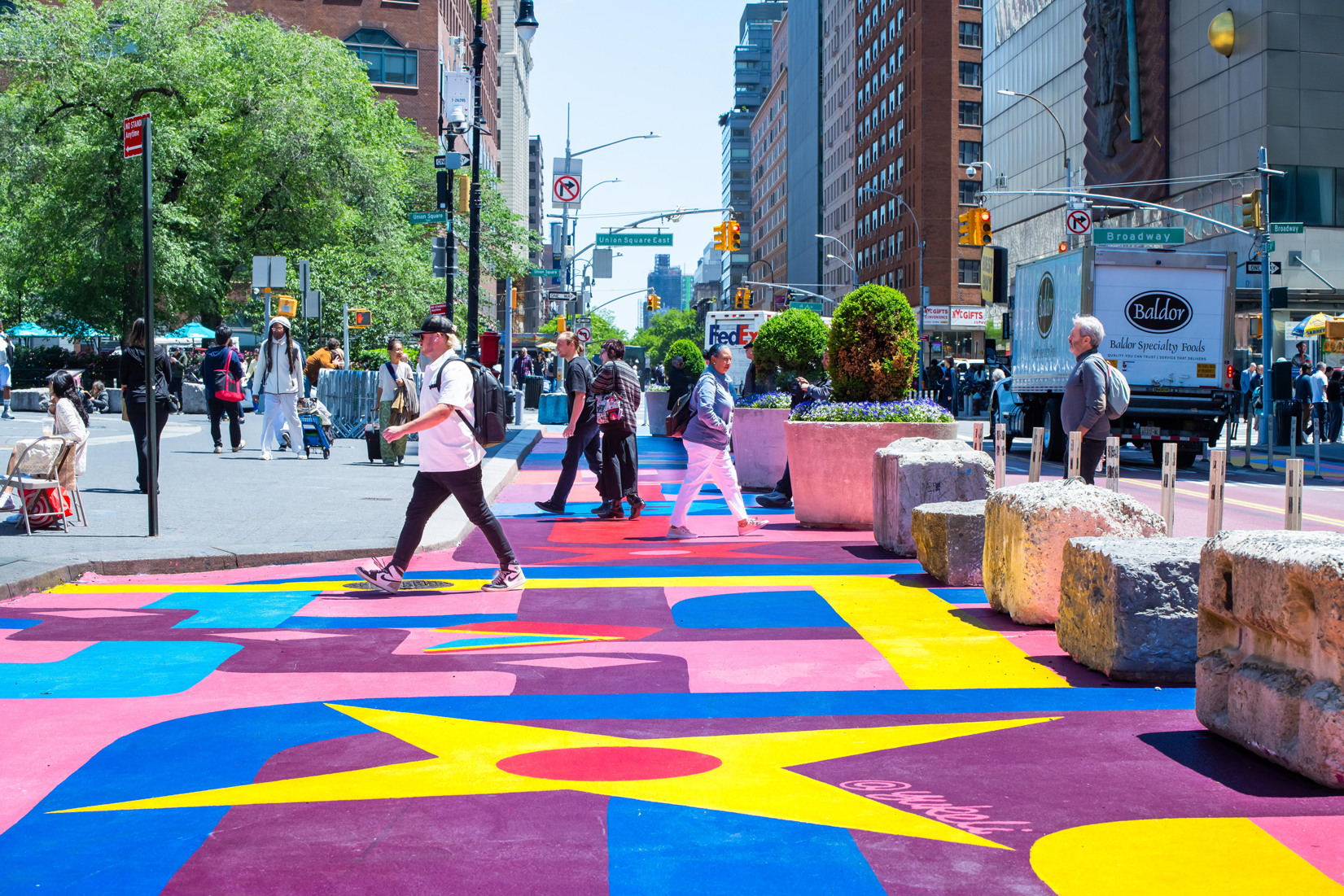
Photo: Jane Kratochvil
Cities must evolve continuously to meet the needs of their residents. Effective transformation can only happen through a collaborative approach to balance planning, infrastructure, cultural and societal needs. This can ensure our cities will be liveable, sustainable and enriching for all.
Leadership Plenary 1: Can Cities Keep Up with the Needs and Aspirations of their Residents?
Existing cities face constraints of land and space. Urban rejuvenation efforts are critical in the face of disruption and change. There are multiple priorities to be considered, such as revitalising ageing buildings and infrastructure, ensuring access to affordable housing and adapting to demographic changes, and balancing economic viability with social outcomes.
This plenary features successful implementation solutions, innovative approaches and purposeful community engagement that can transform cities.
Panel 1
Moderator
|
Wu Weiping
Vice Provost for Academic Programs, and Professor and Director of the M.S. in Urban Planning, Graduate School of Architecture, Planning and Preservation (GSAPP), Columbia University |
|---|
Panel Speakers
|
Brent D. Ryan
Professor of Urban Design and Public Policy, Massachusetts Institute of Technology |
|---|
|
Naroa Atxurra Lasfuentes
Mayor's Special Commissioner of Internationalization and 2030 Agenda of Bilbao City Council |
|---|
|
Jeffrey Hou Provost's Chair Professor and Head, National University of Singapore |
|---|
Expert Insight
|
Michael Rodrigues
NSW 24-Hour Economy Commissioner, Office of the 24-Hour Economy Commissioner, New South Wales Government (Australia) |
|---|
Panel 2
Moderator

|
Ricky Burdett
Professor of Urban Studies, Director of LSE Cities and Urban age, London School of Economics and Political Science |
|---|
Panel Speaker

|
Ciprian Ciucu
Mayor of Bucharest |
|---|
|
Sally Capp AO
Vice-Chancellor's Fellow, University of Melbourne, Former Lord Mayor of Melbourne |
|---|
|
Yeo Siew Haip
Practice Professor, Department of Architecture, College of Design and Engineering, Director, NUS Cities, CDE |
|---|
Leadership Plenary 2: Are Cities Good for Your Health?
Active lifestyles, sustainable mobility, access to open spaces and inclusive social environments contribute to public well-being. A new challenge emerges to weave health considerations into the fabric of our existing cities.
This plenary explores innovative strategies and solutions to create healthier, greener and more inclusive cities.
Keynote Speaker
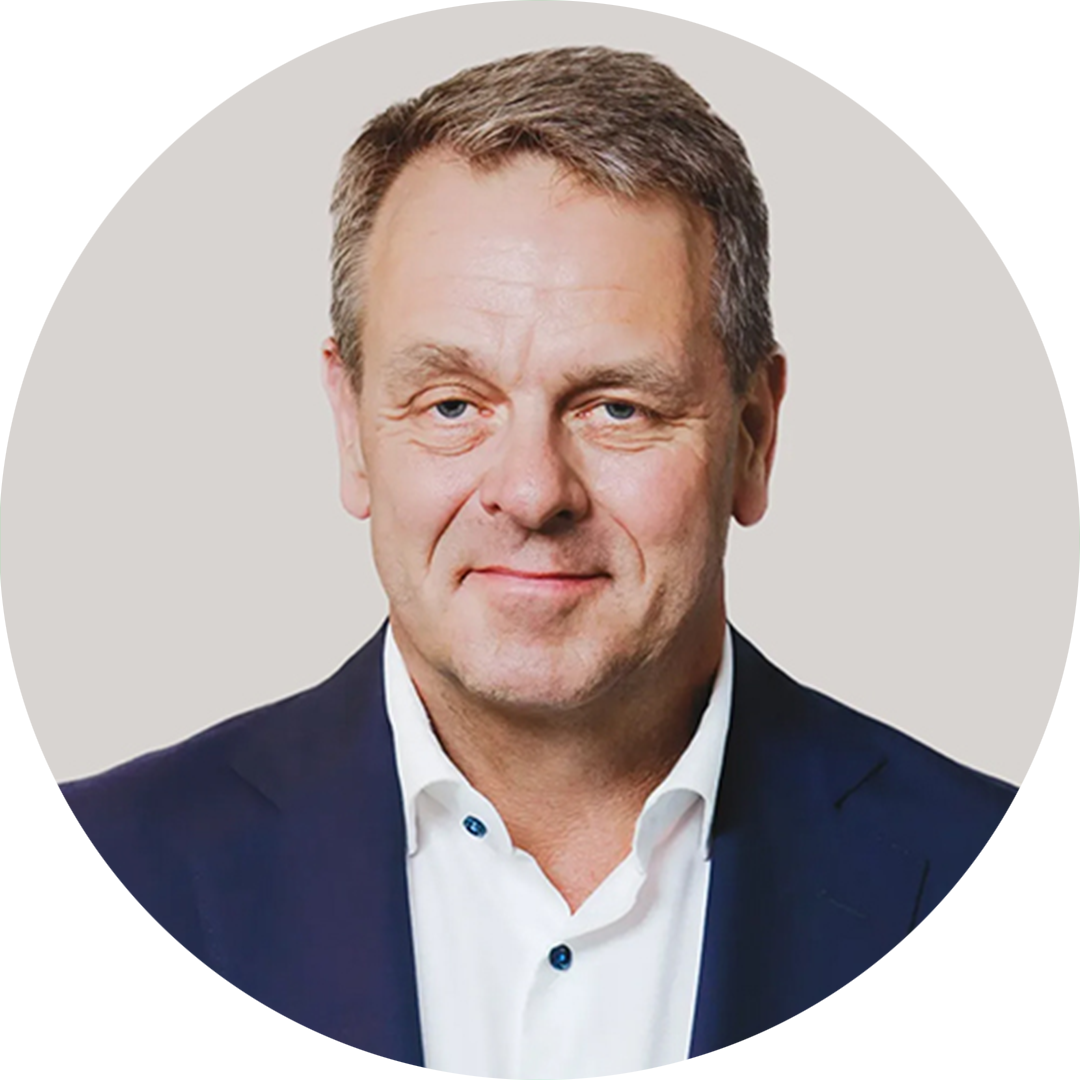
|
Jan Vapaavuori
Senior Counsel at Geradin Partners, Board Chairman of Finnvera; Former Mayor of Helsinki |
|---|
Moderator
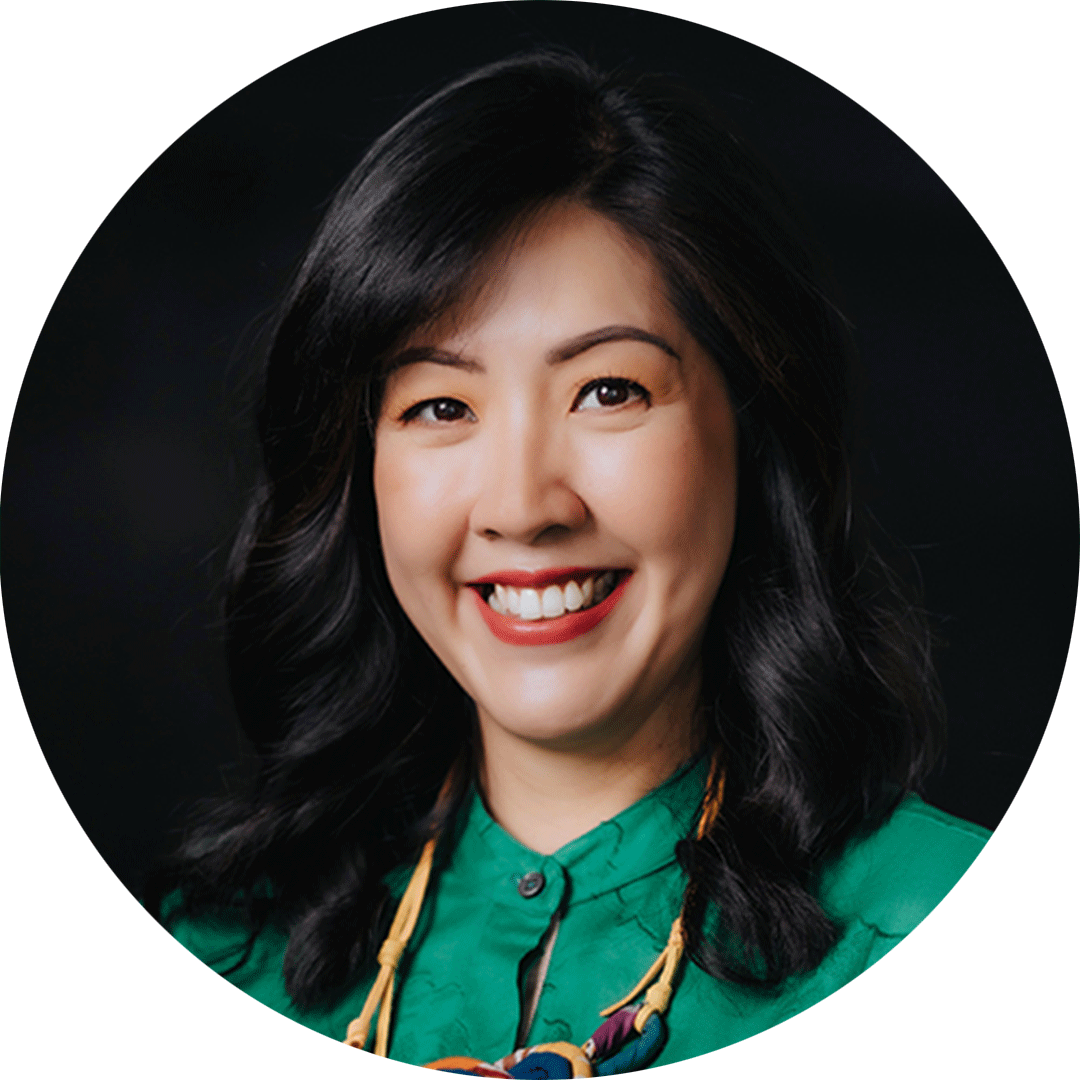
|
Dawn Lim
Executive Director of DesignSingapore Council |
|---|
Panel Speaker
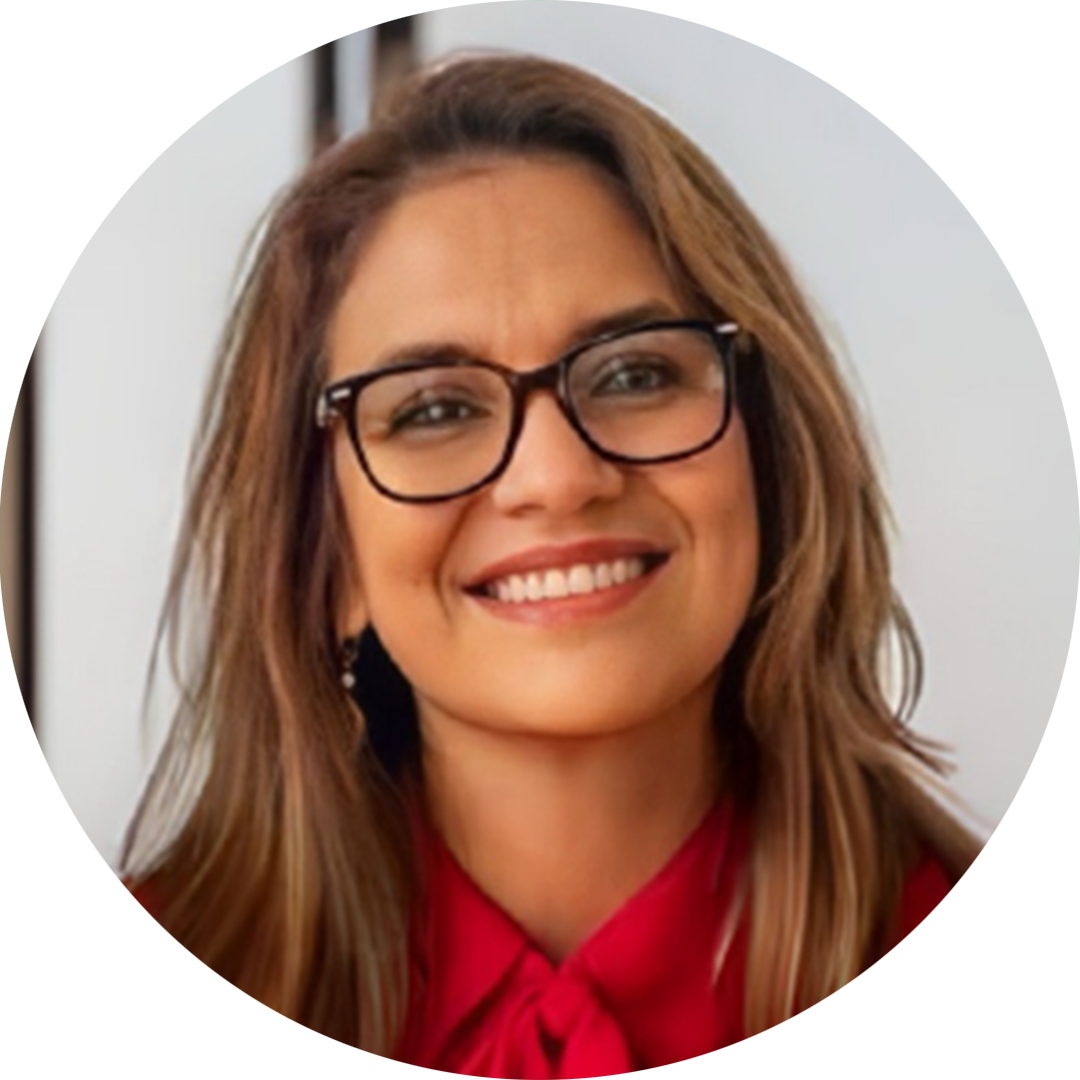
|
Vanessa Velasco Bernal
Secretary of Habitat, Bogotá |
|---|
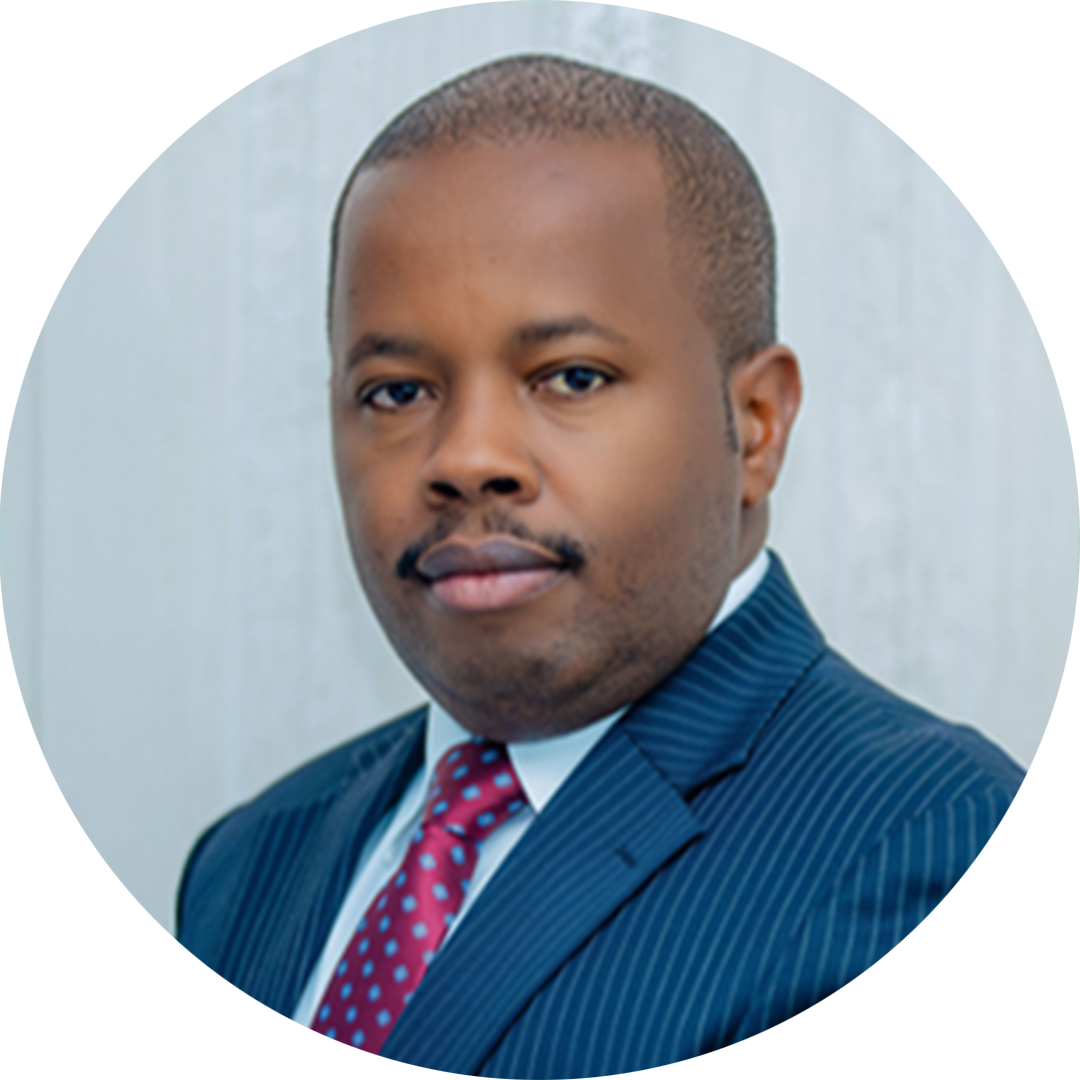 |
Samuel Dusengiyumva
Mayor, Kigali |
|---|
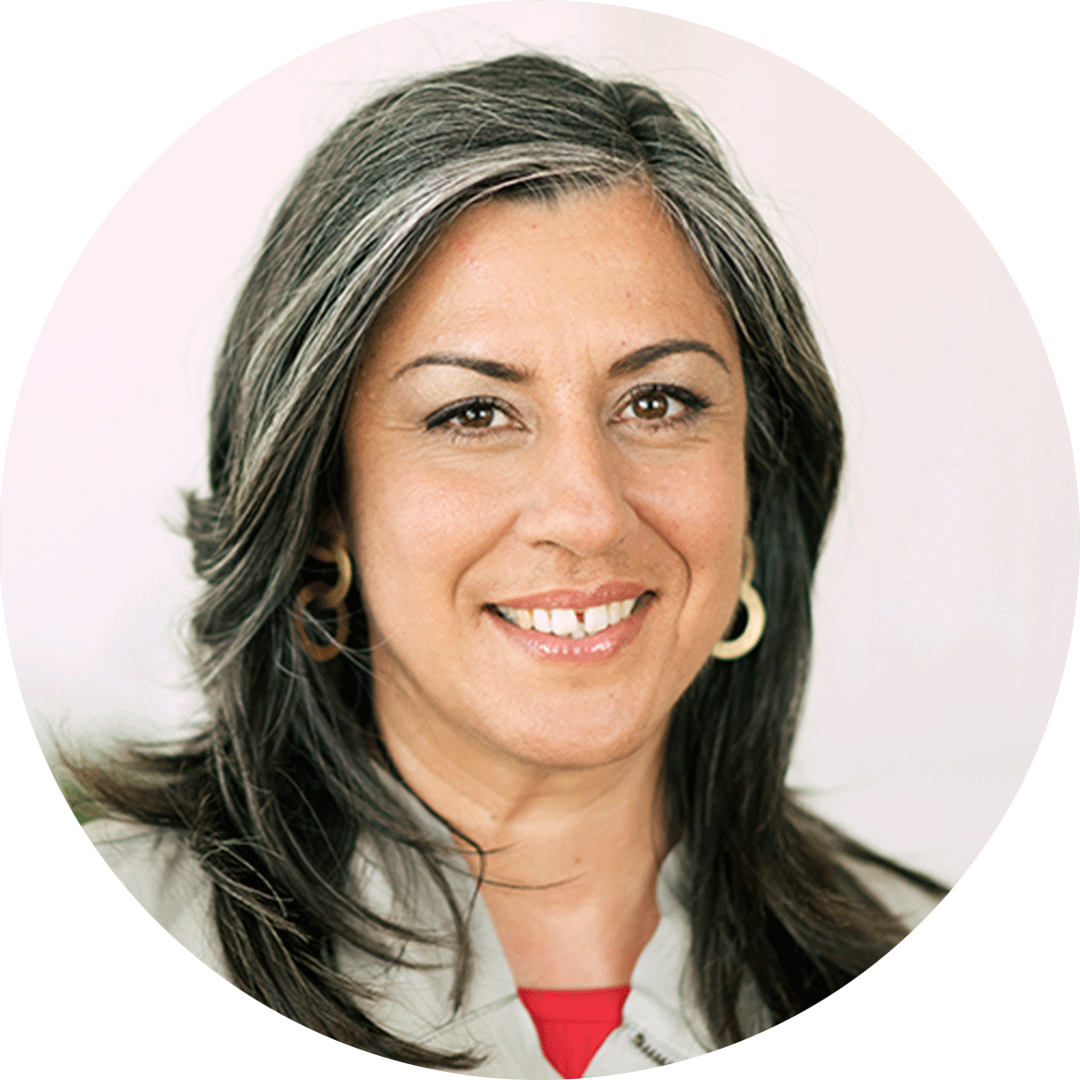
|
Maria Vassilakou
Founder and Chief Executive Officer, Vassilakou Urban Consulting, GmbH, Vienna Solutions |
|---|

|
Kate Thompson
President and Chief Executive Officer of Calgary Municipal Land Corporation, Calgary |
|---|
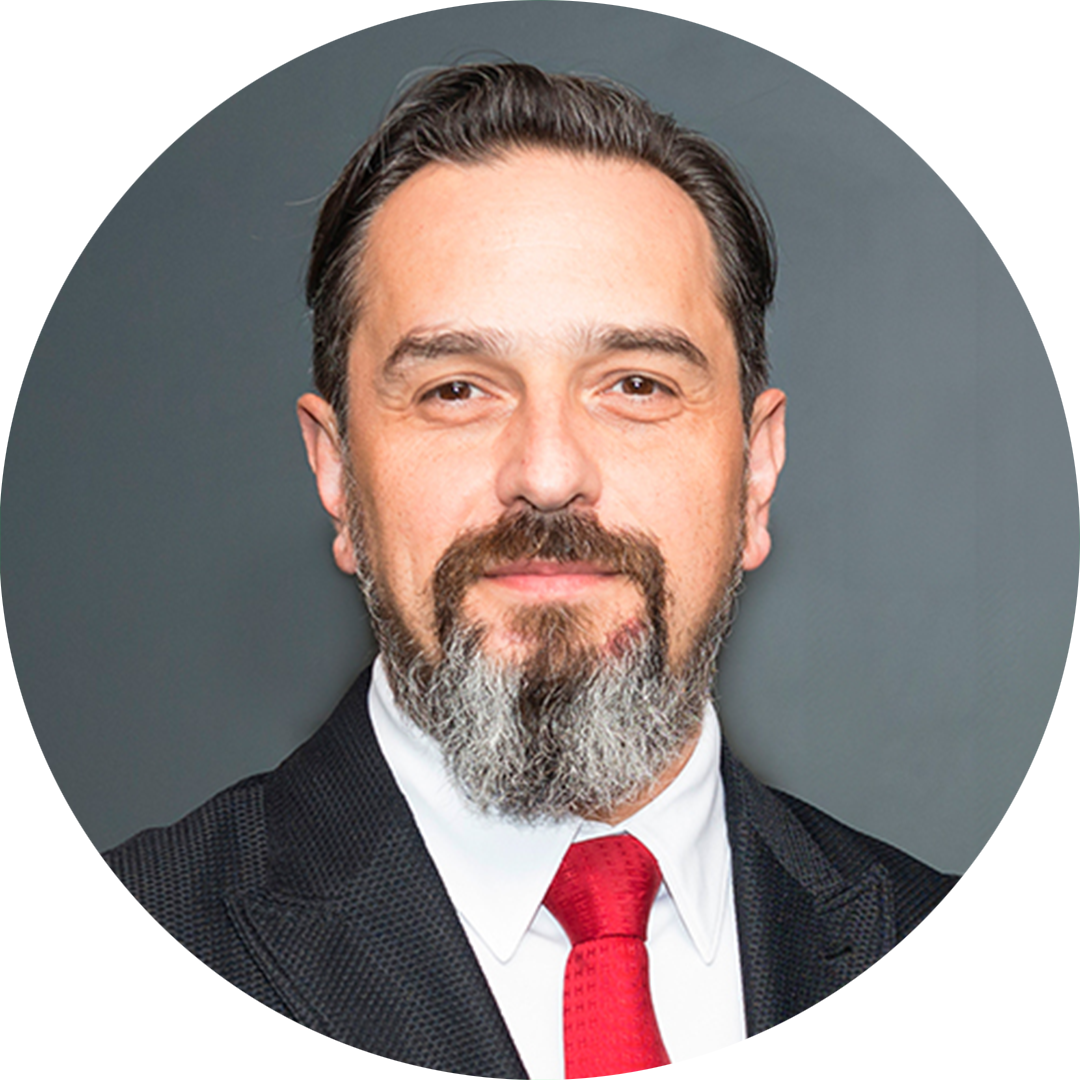
|
Robert Hanea
Founder and Chief Executive Officer, Therme Group |
|---|
LTA Session – Reimagining Mobility for People
Led by Land Transport Authority, Singapore (LTA)
This session examines how cities can build people-centred mobility systems that strengthen liveability, sustainability, and community connectivity. The Land Transport Authority (LTA), along with international mayors and global mobility experts, will share how human-centric planning, high-quality transport hubs, and seamless multimodal networks can elevate everyday journeys.
Beyond infrastructure expansion, the session explores how public transport nodes can evolve into multi-use community hubs with vibrant public spaces; how streets can be redesigned to prioritise safety and accessibility for vulnerable users; and how transit corridors can double as green, active-mobility spines that promote healthier, low-carbon lifestyles, as well as becoming new destinations for cities. Together, the speakers will illustrate how human-centred mobility can shape more connected, inclusive and sustainable urban futures.
Keynote Speaker and Moderator
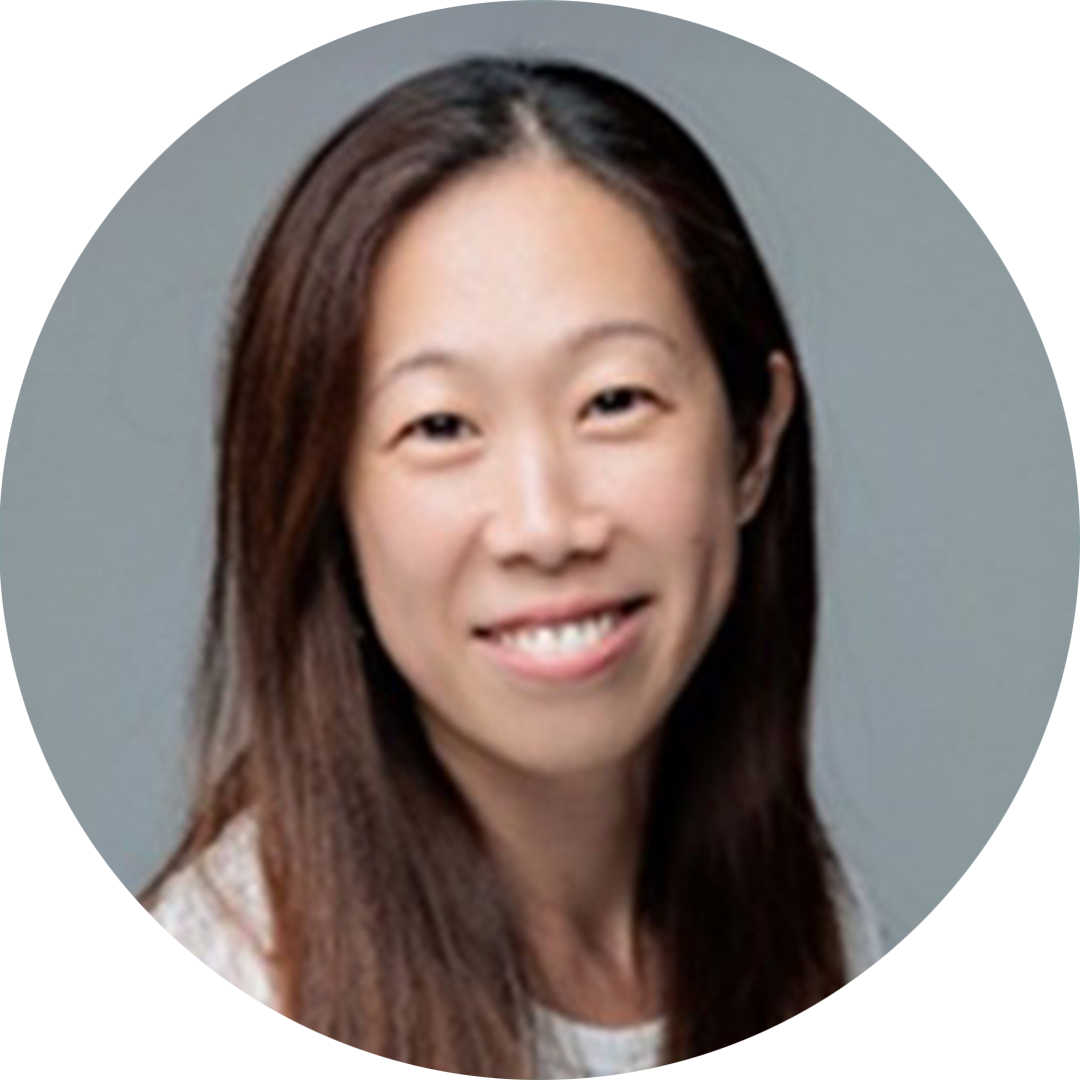
|
Priscilla Chan
Group Director (Policy & Planning), Land Transport Authority, Singapore |
|---|
Panel Speaker
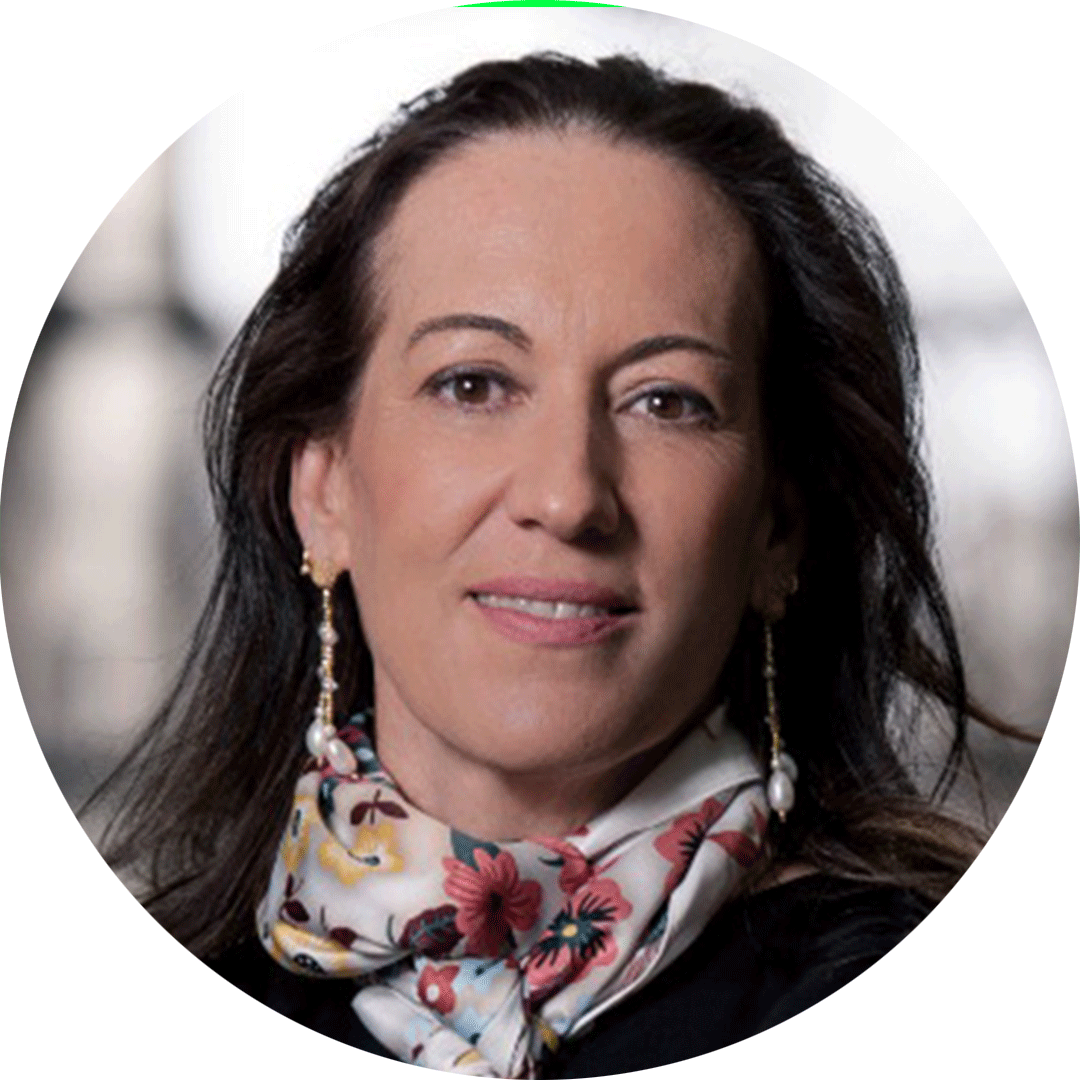
|
Inmaculada Sánchez-Cervera
General Coordinator of the Mayor’s Office, Madrid |
|---|
|
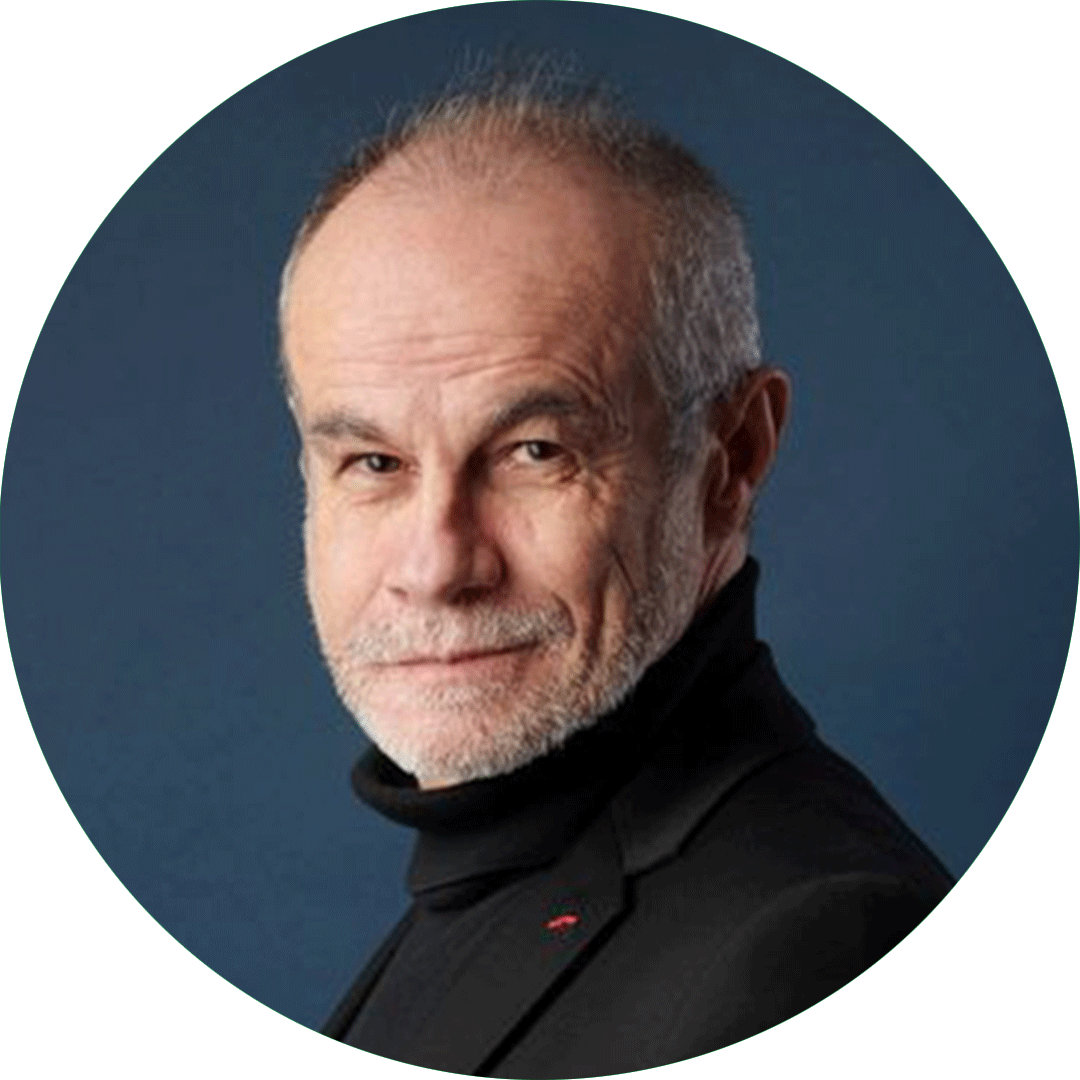
Carlos Moreno
Scientific Director of the research lab “Entrepreneurship Territory Innovation”; Affiliation: IAE Paris-Sorbonne, Université Paris 1 Panthéon-Sorbonne |
|---|
|
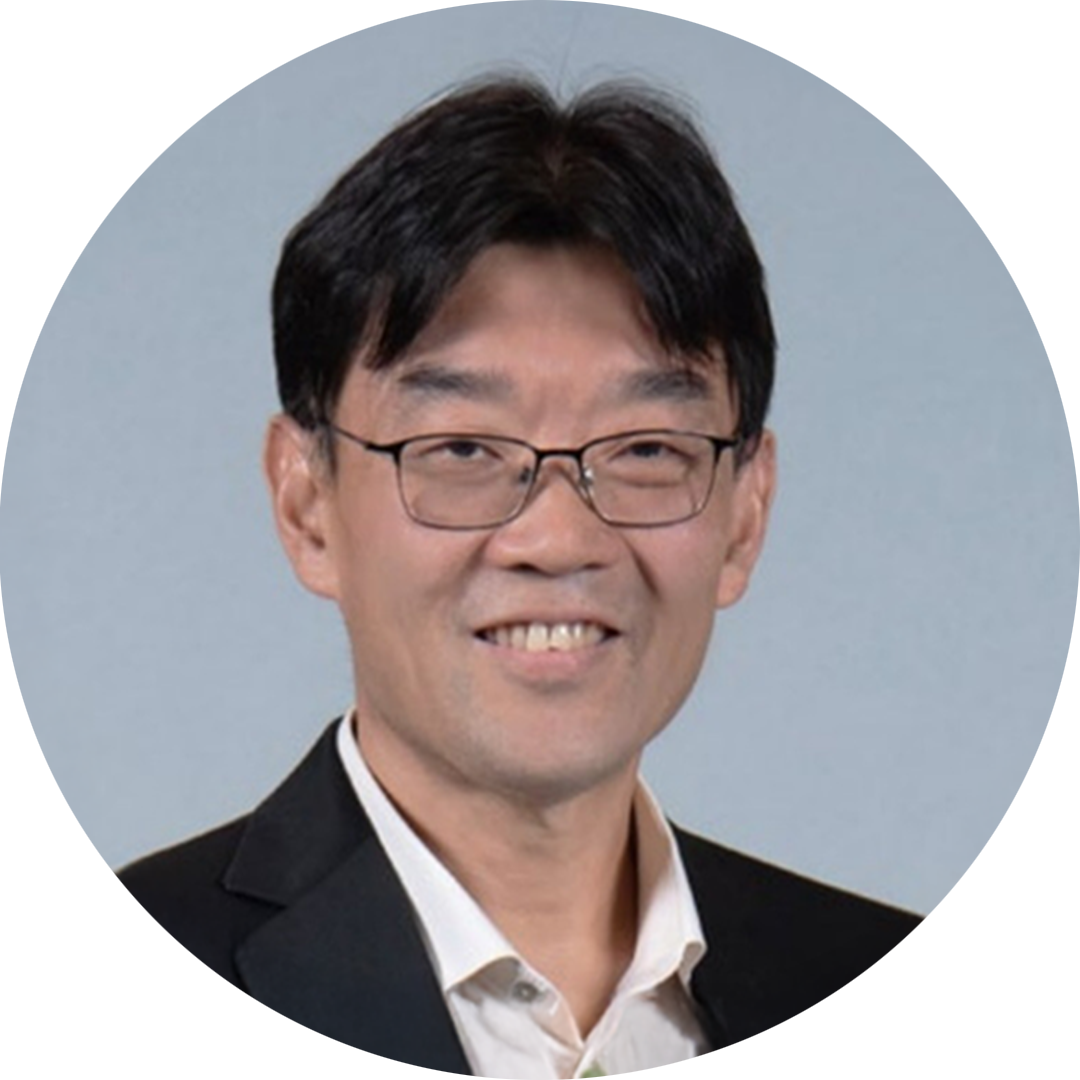
Goh Kok Hun
Group Director, Infrastructure Design & Engineering, Land Transport Authority, Singapore |
|---|
|
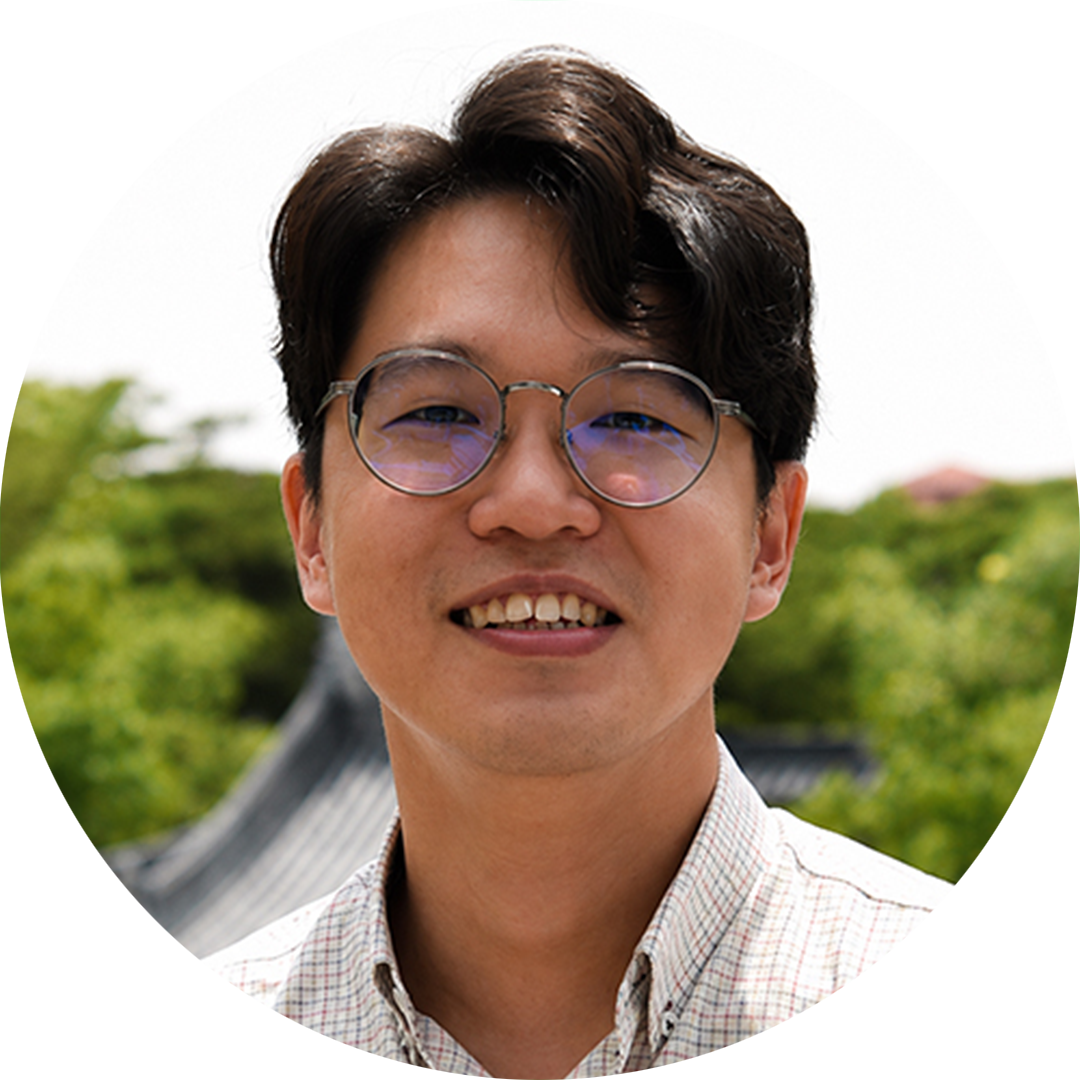
Samuel Chng
Research Assistant Professor, Lee Kuan Yew Centre for Innovative Cities, Singapore University of Technology and Design |
|---|
SIA Session – INVISIBLE CODES | VISIBLE CITIES
Led by Singapore Institute of Architects (SIA)
At the heart of every beloved city is an invisible framework of coordination, policy, and governance, an unseen yet meticulous foundation laid by urban officials, city agencies, and planners for the City to be built upon.
Acting as translators and synthesisers, Architects design buildings and spaces that bridge complex infrastructure, community, and environmental requirements to create meaningful and livable urban spaces. This session examines how various projects are made humane through thoughtful design whilst illuminating policy and innovation through cross-agency coordination, resulting in impactful interventions that ripple across the urban fabric.
Through the lens of the end user, the featured projects showcase intangible outcomes such as trust, security, and implied safety, qualities we often take for granted but are essential for spaces that are not only well-used but well-loved. These outcomes emerge where careful policy, collaborative governance, and design thinking converge.
Opening Remarks / Co-moderator
|
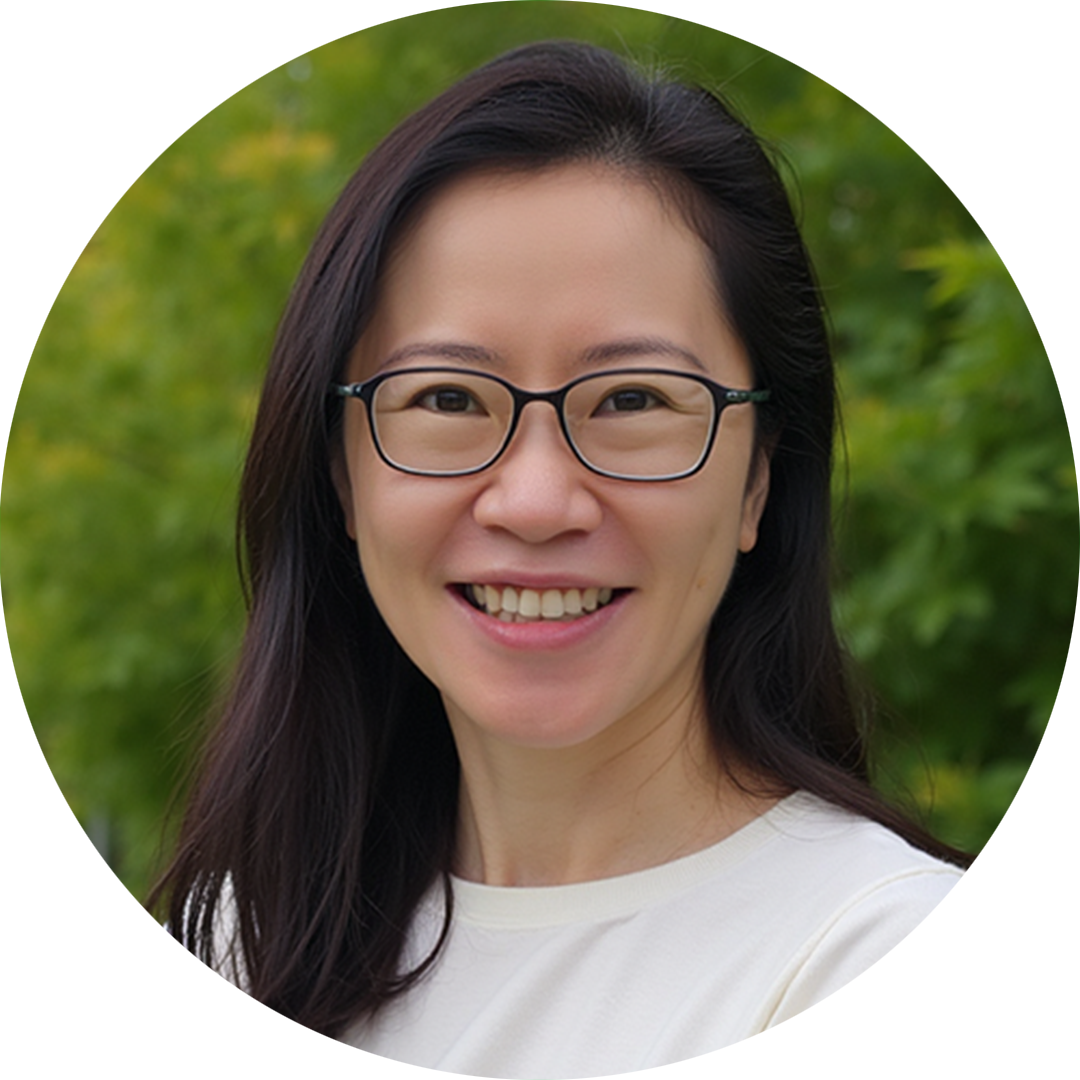
Ho Ai Ling
Associate Director, RDC Architects |
|---|
Moderator

|
Mark Teo
Assistant Professor, Singapore Institute of Technology |
|---|
Panel Speaker
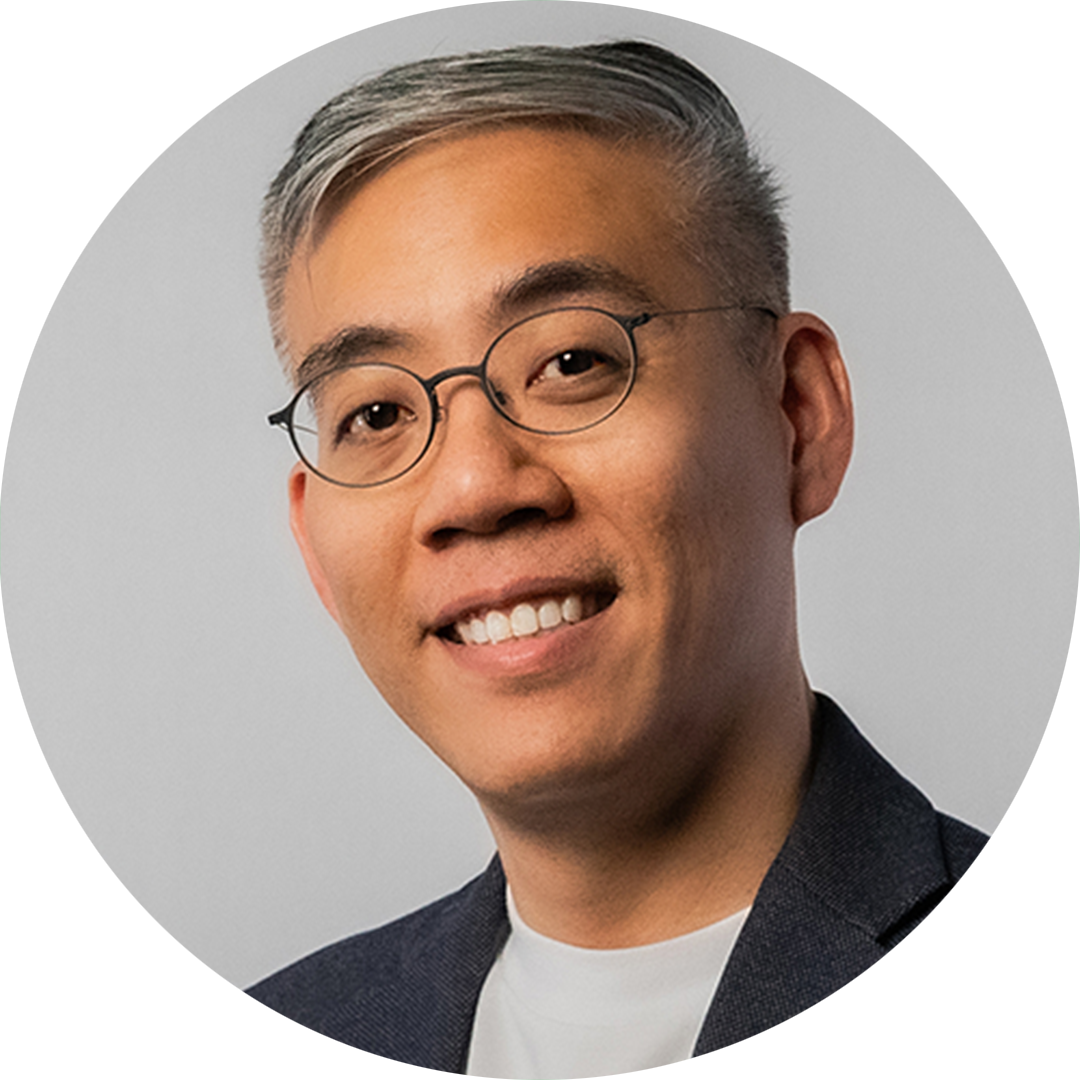
|
Eugene Aw
Director, LAUD Architects Pte Ltd |
|---|
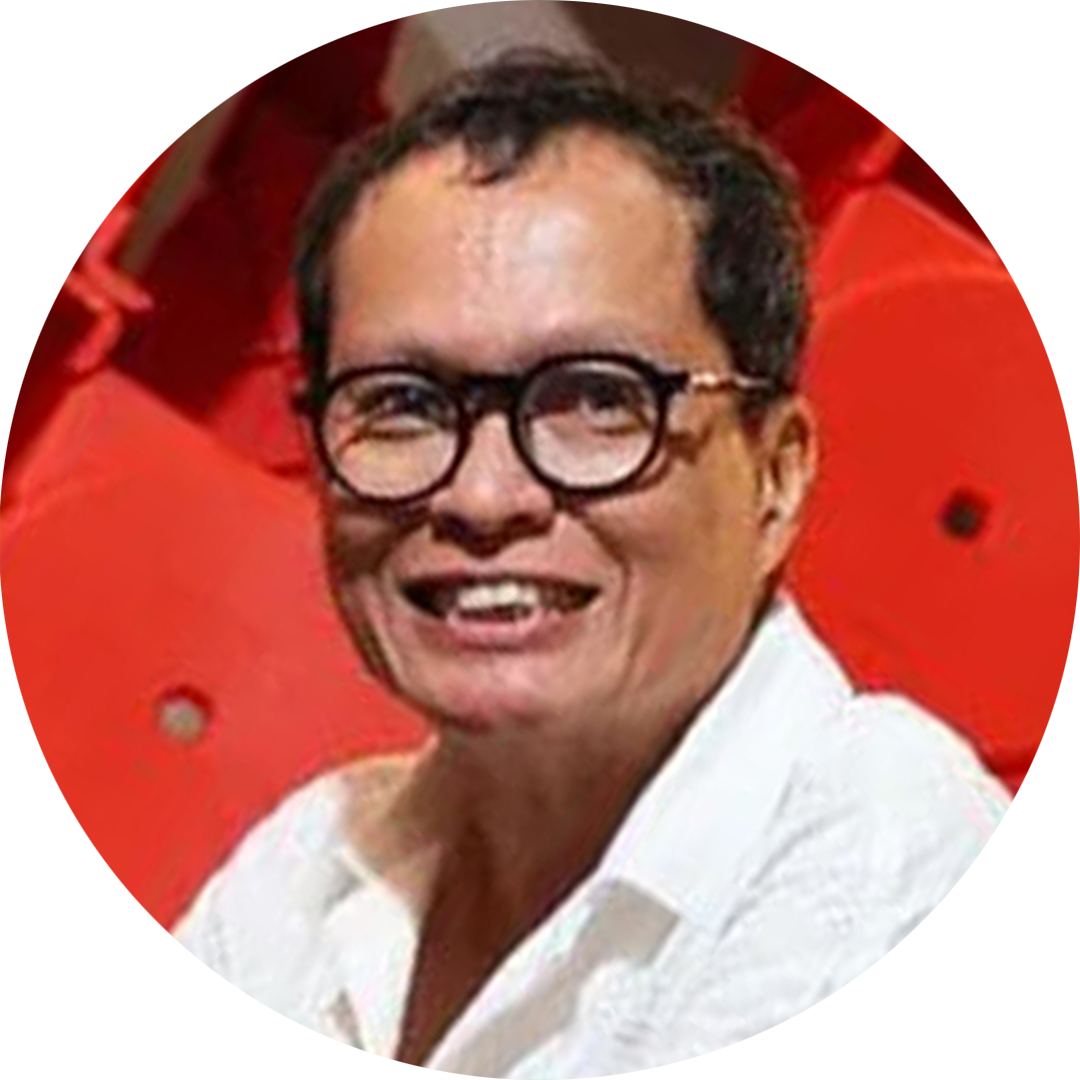
|
Randy Chan
Director, Zarch Collaboratives Pte Ltd |
|---|
|
Siew Man Kok
Co-Founding Director, MKPL Architects |
|---|
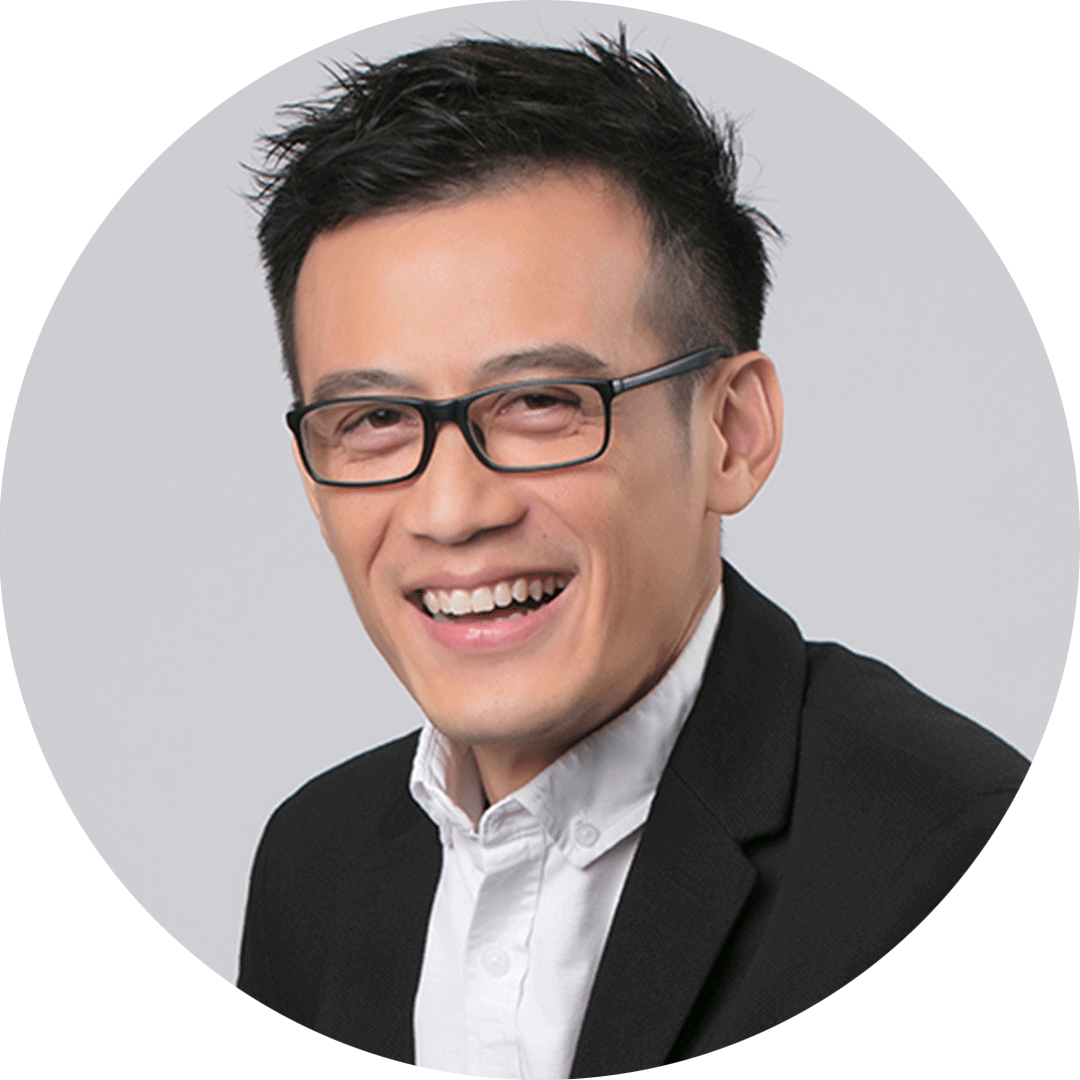
|
Michael Leong
Senior Executive Director, SAA Architect |
|---|
|
Alina Yeo
Director, WOHA |
|---|
CLC Session – The 24-hour City: What Keeps Your City Awake?
A 24-hour city represents more than just round-the-clock operations — it is a strategic approach to maximising urban potential through the dimension of time. As cities face increasing pressure on space and resources, the use of time presents a powerful yet often overlooked opportunity.
This brings exciting possibilities for enhanced economic vitality and better use of existing infrastructure, while creating more inclusive environments for diverse communities. However, it also presents complex challenges in balancing economic opportunity with residents' quality of life, ensuring safety after dark, and maintaining seamless transport and services.
This session explores how cities accelerate their 24-hour strategies, build collaborative frameworks with residents and businesses, and transform urban landscapes to unlock round-the-clock potential.
Moderator

|
Belinda Coates
Chief Executive Officer, Harper B |
|---|
Panel Speakers
|
|
Inmaculada Sánchez-Cervera
General Coordinator of the Mayor’s Office, Madrid |
|---|
|
|
Michael Rodrigues
NSW 24-Hour Economy Commissioner, Office of the 24-Hour Economy Commissioner, New South Wales Government (Australia) |
|---|
|
David Mann
Chief Economist, Asia Pacific and Middle East, Mastercard |
|---|
|
Jean Ng
Assistant Chief Executive, Experience Development Group, Singapore Tourism Board |
|---|
|
|
Robert Hanea
Founder and Chief Executive Officer, Therme Group |
|---|
WRI Session – Transformative Urban Change By and For Citizens
Led by the World Resource Institute (WRI)
The WRI Ross Center Prize for Cities (the Prize) is a global impact award that identifies and spotlights exemplary practices in urban transformation that have had an outsized impact on their cities. The Prize looks beyond project-level outcomes toward wider infrastructural, cultural, societal, and governance transformations. Since its launch in 2018, the Prize has spotlighted 25 finalist initiatives that tackled urban transformation in various thematic domains and geographies, receiving over 1200 submissions across nearly 600 cities and disbursing $1.4 million in awards.
This panel will convene city leaders and practitioners from the most recent Prize cycle for a high-level conversation on how cities can learn, adapt, and lead through urban transformation. The discussion will include Prize delegates from the Move As One Coalition (Manila, Philippines) and Revitalizing Informal Settlements and Environments (RISE) (Makassar, Indonesia), whose work offers powerful examples of citizen-centered urban change in practice across Southeast Asia.
Through the panel, we hope to explore questions such as:
- What can cities do right now to better meet the needs of their citizens?
- What governance tools are needed to make urban transformation efforts durable?
- How can cities strengthen citizen collaboration and government accountability in shaping more livable and sustainable communities?
- How can urban transformation efforts contribute to healthier cities?
Moderator
|
Rogier Van Den Berg Global Director WRI Ross Center for Sustainable Cities |
|---|
Panel Speakers
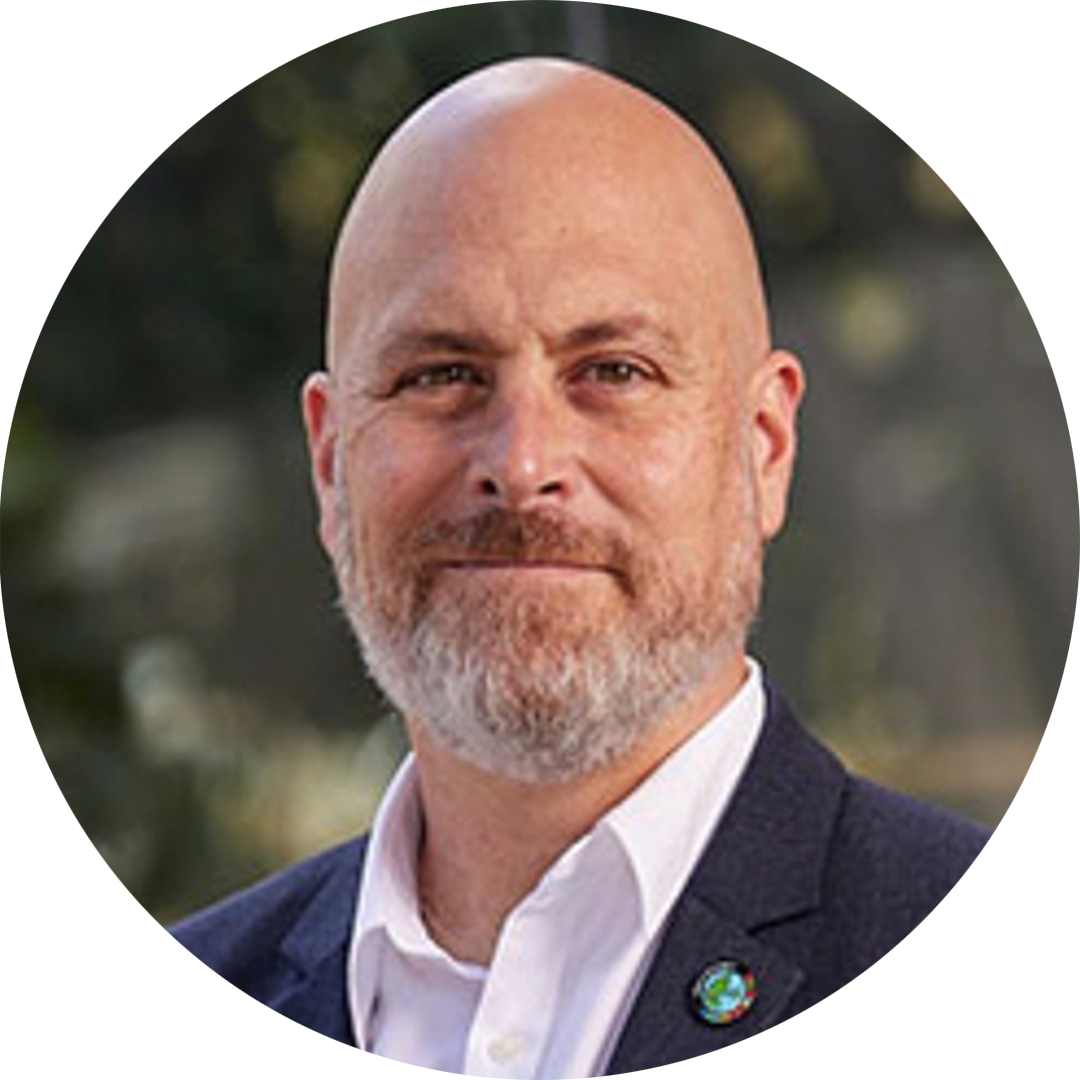
|
Diego Ramírez-Lovering
Professor of Architecture and Associate Dean International, Monash University |
|---|
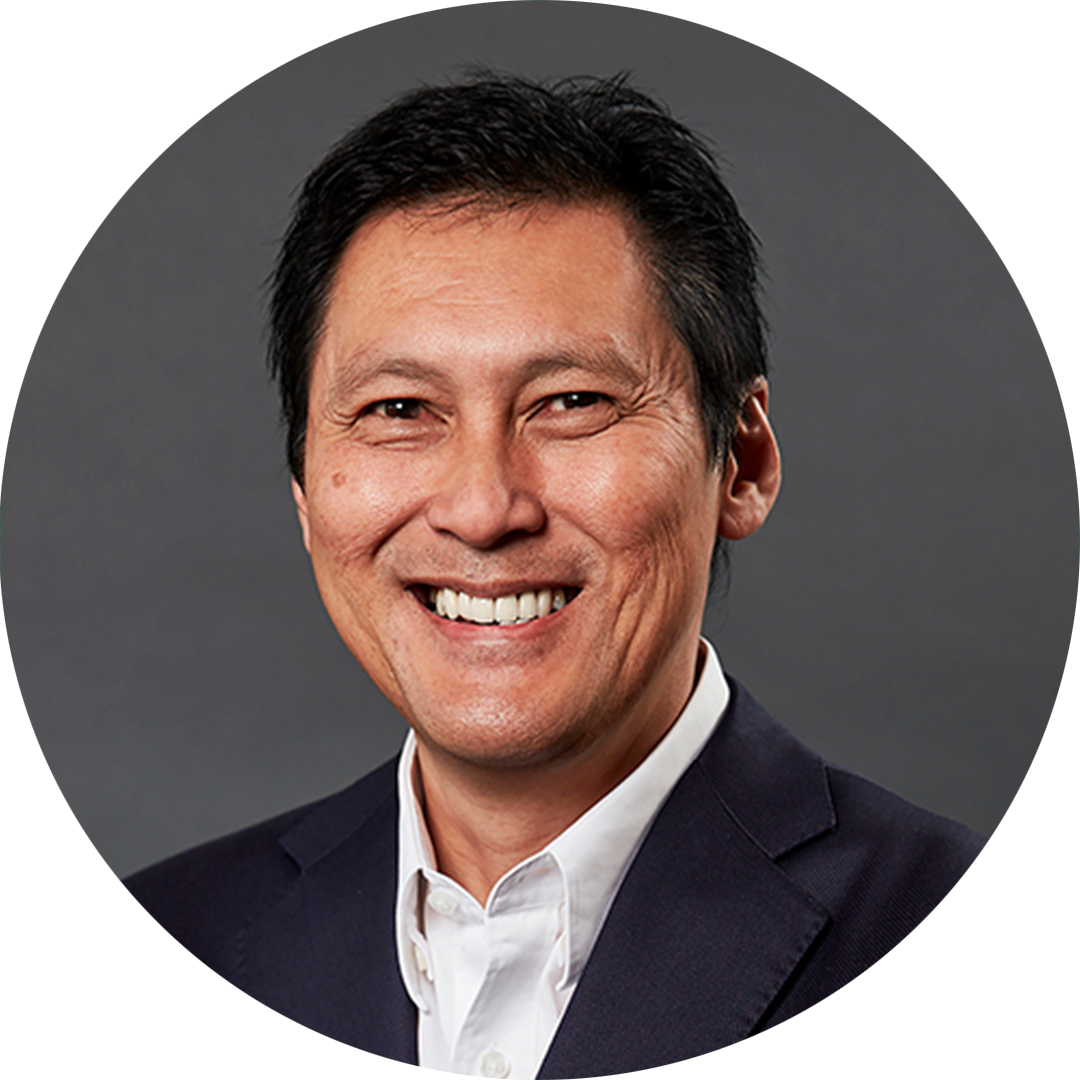
|
Tony Wong
Professor of Sustainable Development, Monash University |
|---|
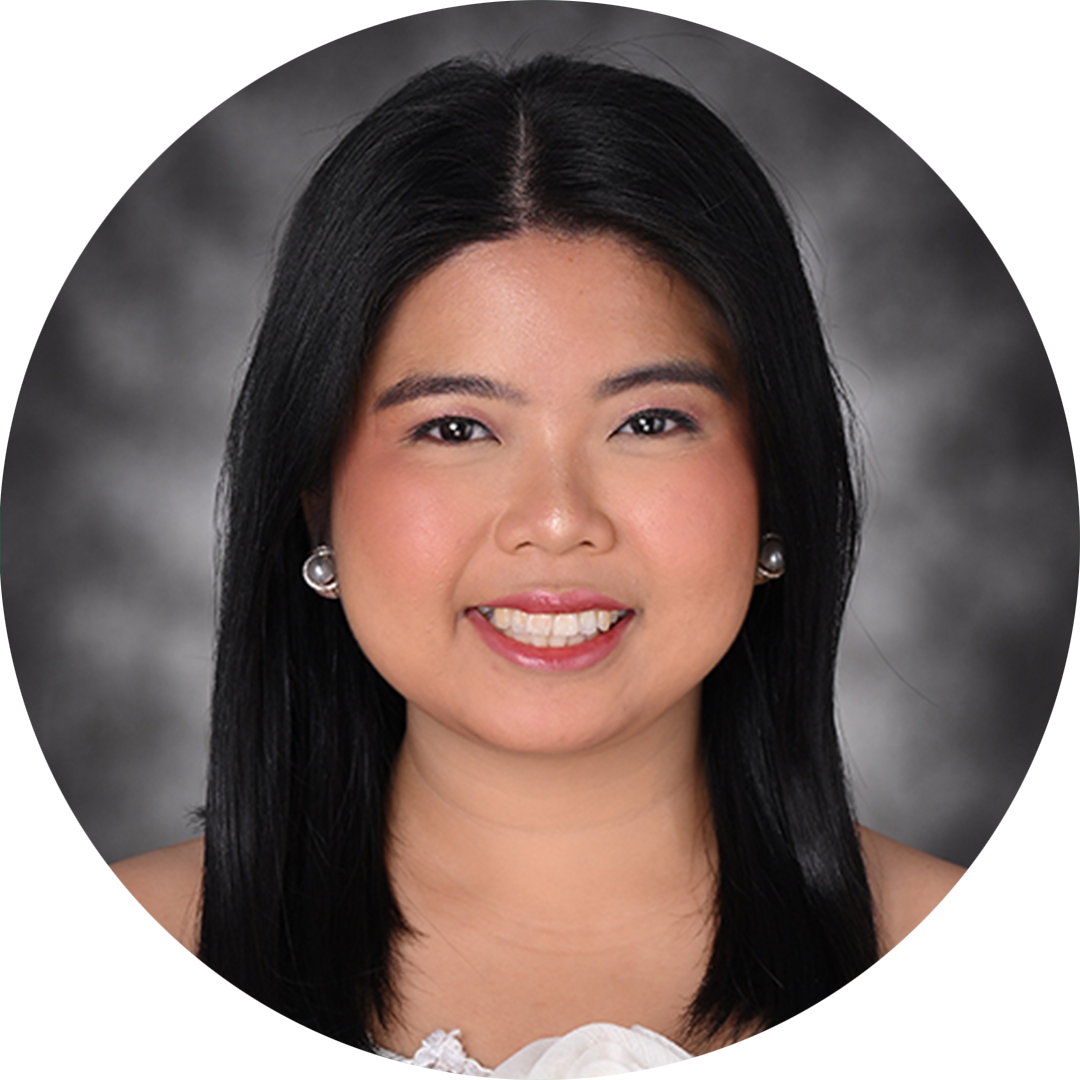
|
Mary Abigail Modales
Active Transport Lead, Move As One Coalition |
|---|
|
|
Wu Weiping
Vice Provost for Academic Programs, and Professor and Director of the M.S. in Urban Planning, Graduate School of Architecture, Planning and Preservation (GSAPP), Columbia University |
|---|
NHB Session – Championing Heritage for Loveable Cities
Led by National Heritage Board, Singapore (NHB)
Under the theme "Championing Heritage for Loveable Cities," mayors from culturally vibrant cities will share insights on heritage-driven urban planning. These municipal leaders, whose cities exemplify culture-led regeneration, will demonstrate how proactive heritage policies generate tangible benefits, including strengthened community identity, economic vitality, and enhanced resident satisfaction.
Through case studies and discussions, attendees will explore practical frameworks for integrating heritage into urban strategies, highlighting how cultural assets serve as catalysts for creating more attractive, sustainable cities that foster genuine connections between residents and their environment.
Moderator
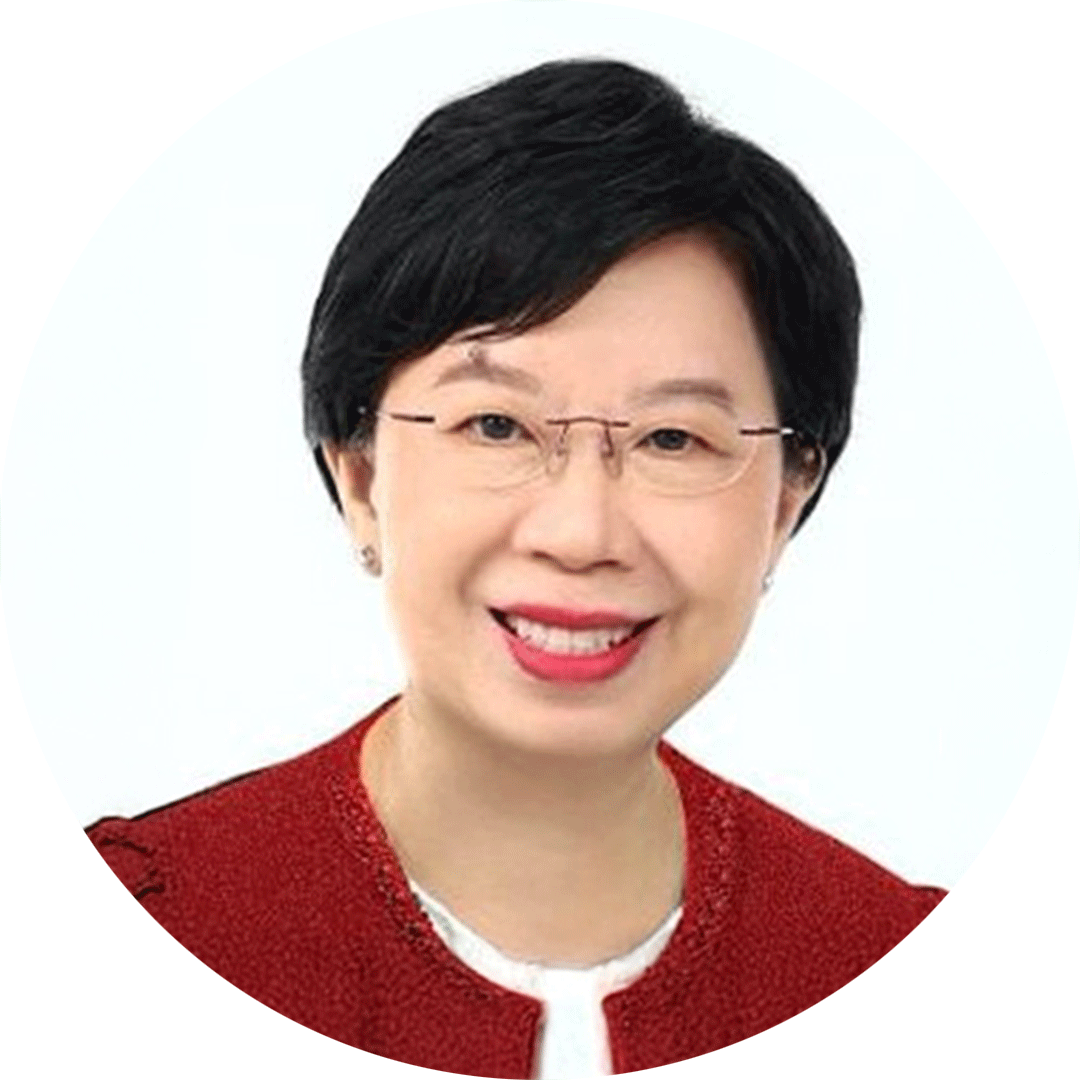
|
Lily Kong
President of Singapore Management University |
|---|
Panel Speaker
|
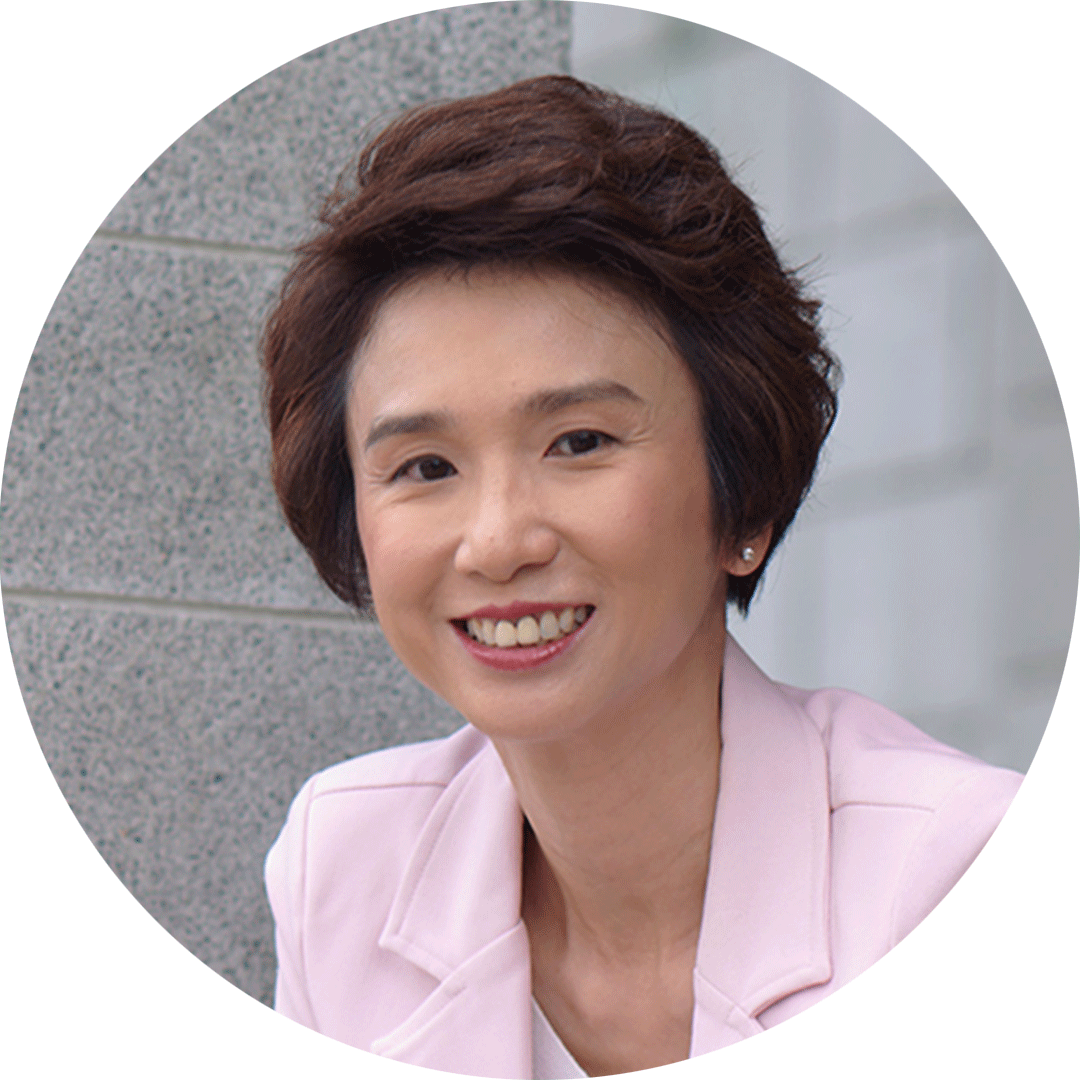
Low Yen Ling
Senior Minister of State for Ministry of Trade & Industry, and Ministry of Culture, Community and Youth, Singapore |
|---|

|
Maria Claudia Lopez
Independent Consultant - Former Secretary of Culture of Bogota |
|---|

|
Raisa Maria Lourdes Treñas
Mayor of Iloilo City |
|---|
|
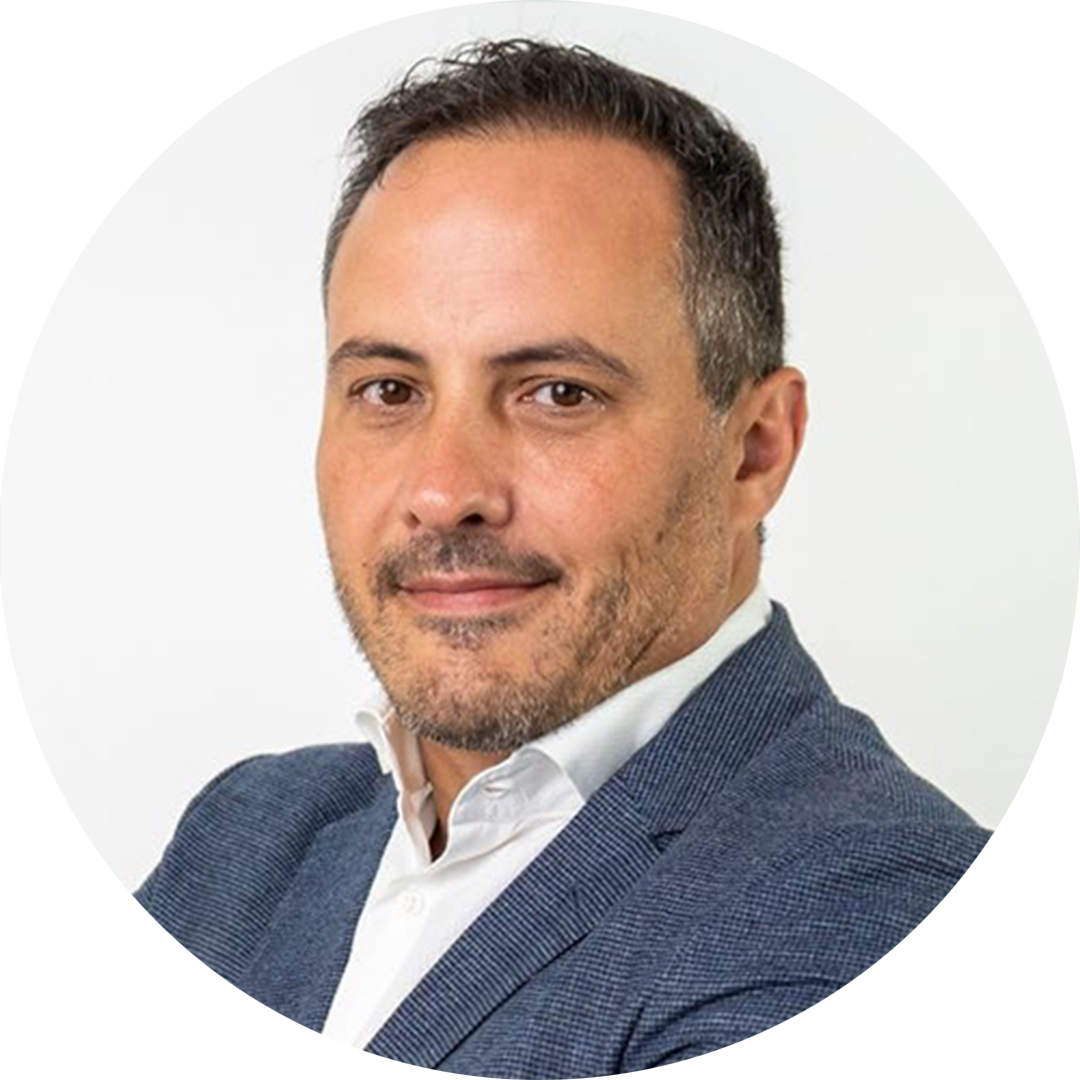
Miguel Antunes
Deputy Mayor, Coimbra |
|---|
CLC Session – Port Cities - Re-imagining, Rejuvenating, Future-proofing
Key nodes in the global economy, port cities have been at the forefront of change and innovation for centuries. Because they are open to trade and the exchange of people, cultures and ideas, they are gateways for the adoption of new technologies and urban solutions, new models for economic growth and city living. Anchored by the water and their maritime heritage, port cities also serve as unique case studies in urban regeneration.
This panel discussion brings together eminent port city leaders to share distinctive visions of how they have integrated port infrastructure into the fabric of city life, and how they continue to innovate and adapt, in the face of increasing uncertainty and a volatile geopolitical climate.
Moderator

|
Kennie Ting
Freelance Writer and Cultural Historian |
|---|
Panel Speakers
|
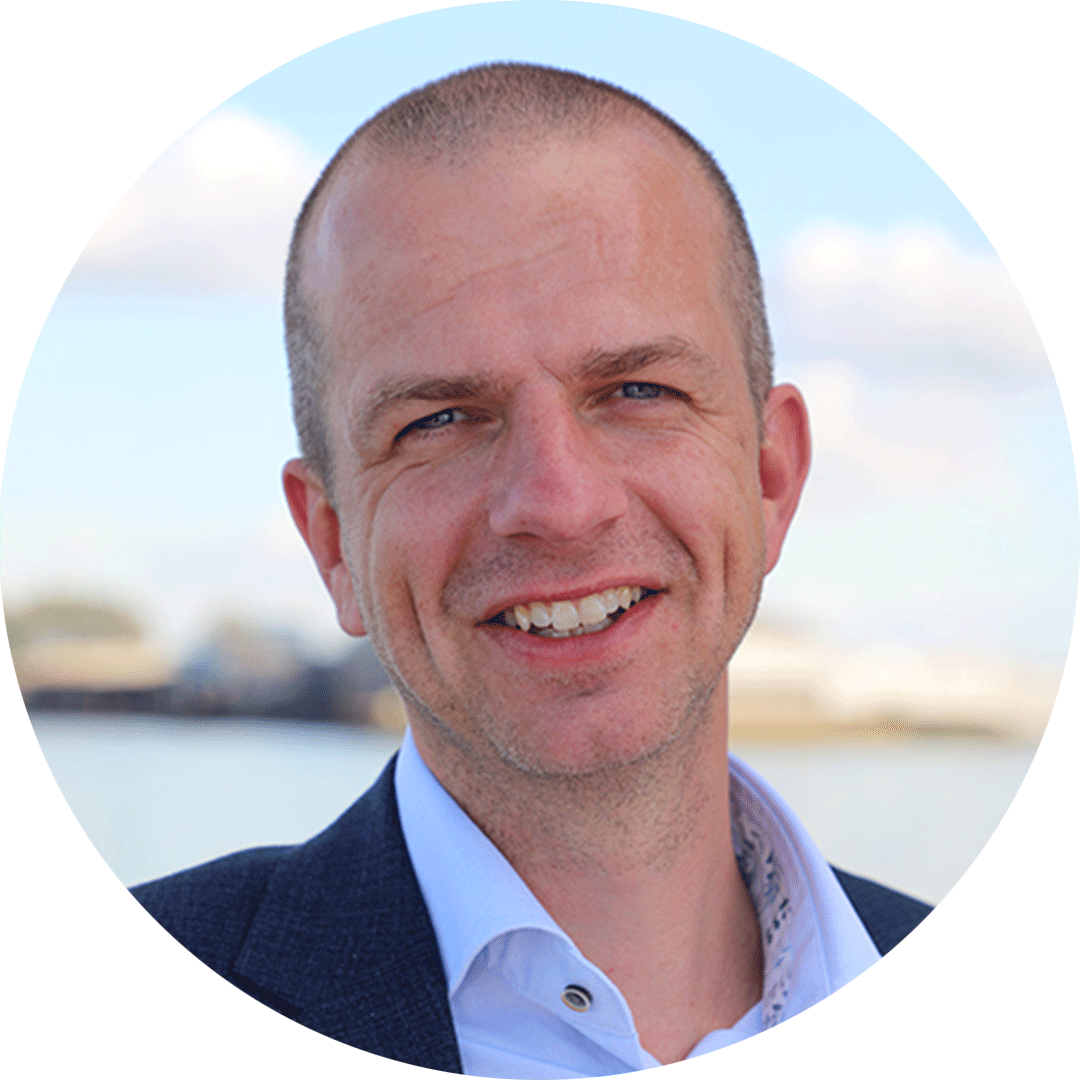
Joop Polfliet
Director of Public Works, Rotterdam |
|---|
|
|
Naroa Atxurra Lasfuentes,
Mayor´s Special Commissioner of Internationalization and 2030 Agenda of Bilbao City Council, Bilbao |
|---|
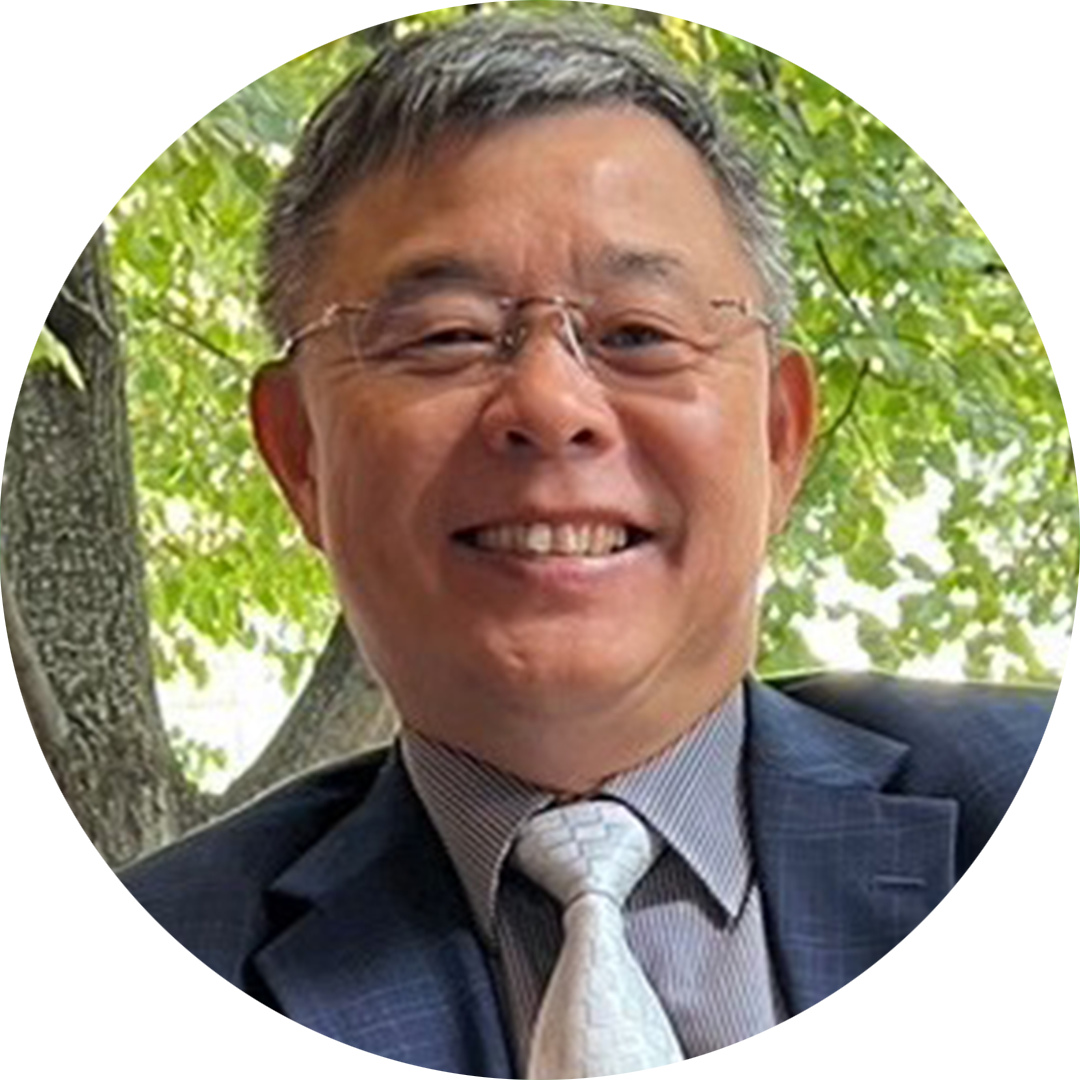 |
Wang Chi-Chuan
Deputy Secretary-General, Kaohsiung City Government |
|---|
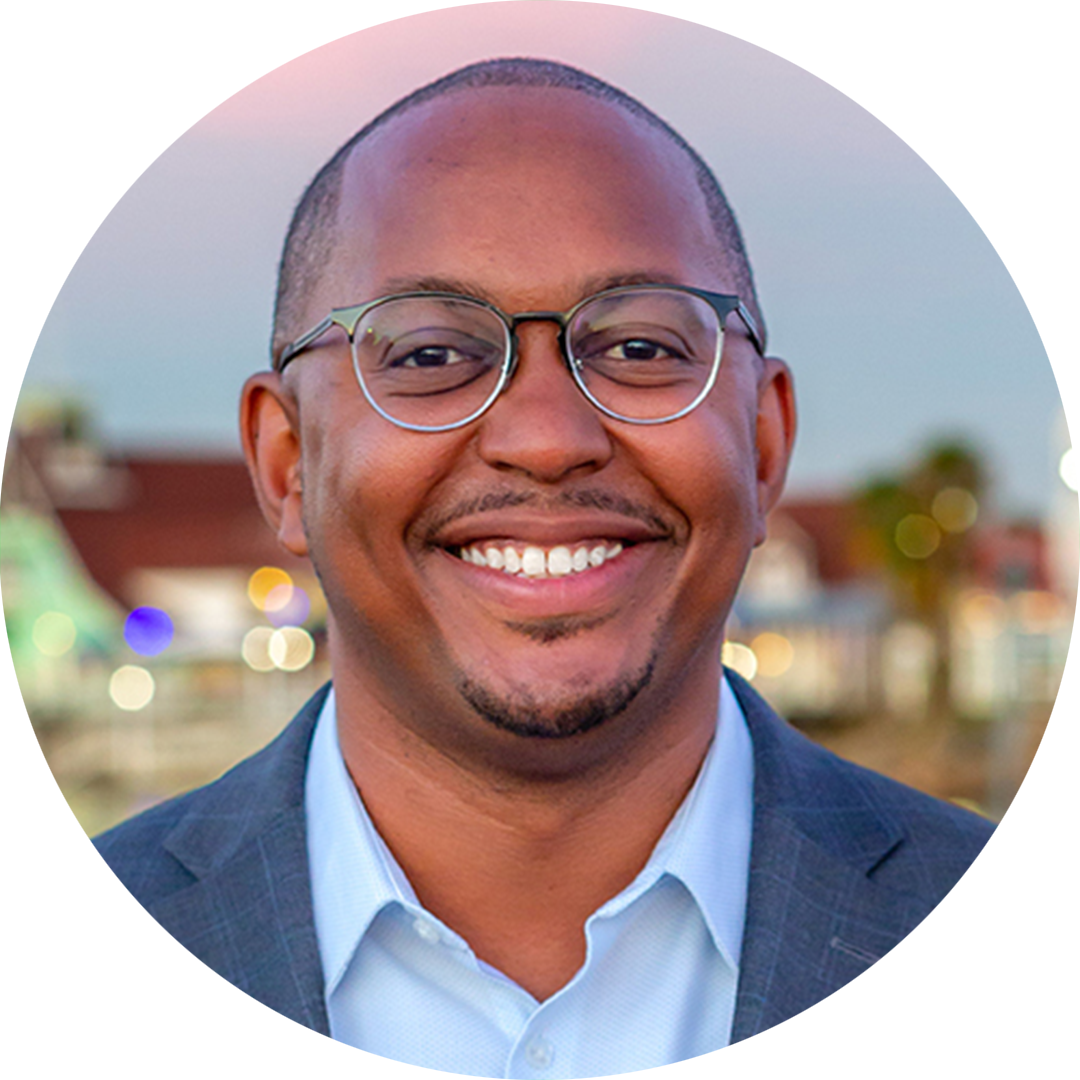
|
Rex Richardson
Mayor, Long Beach, California |
|---|
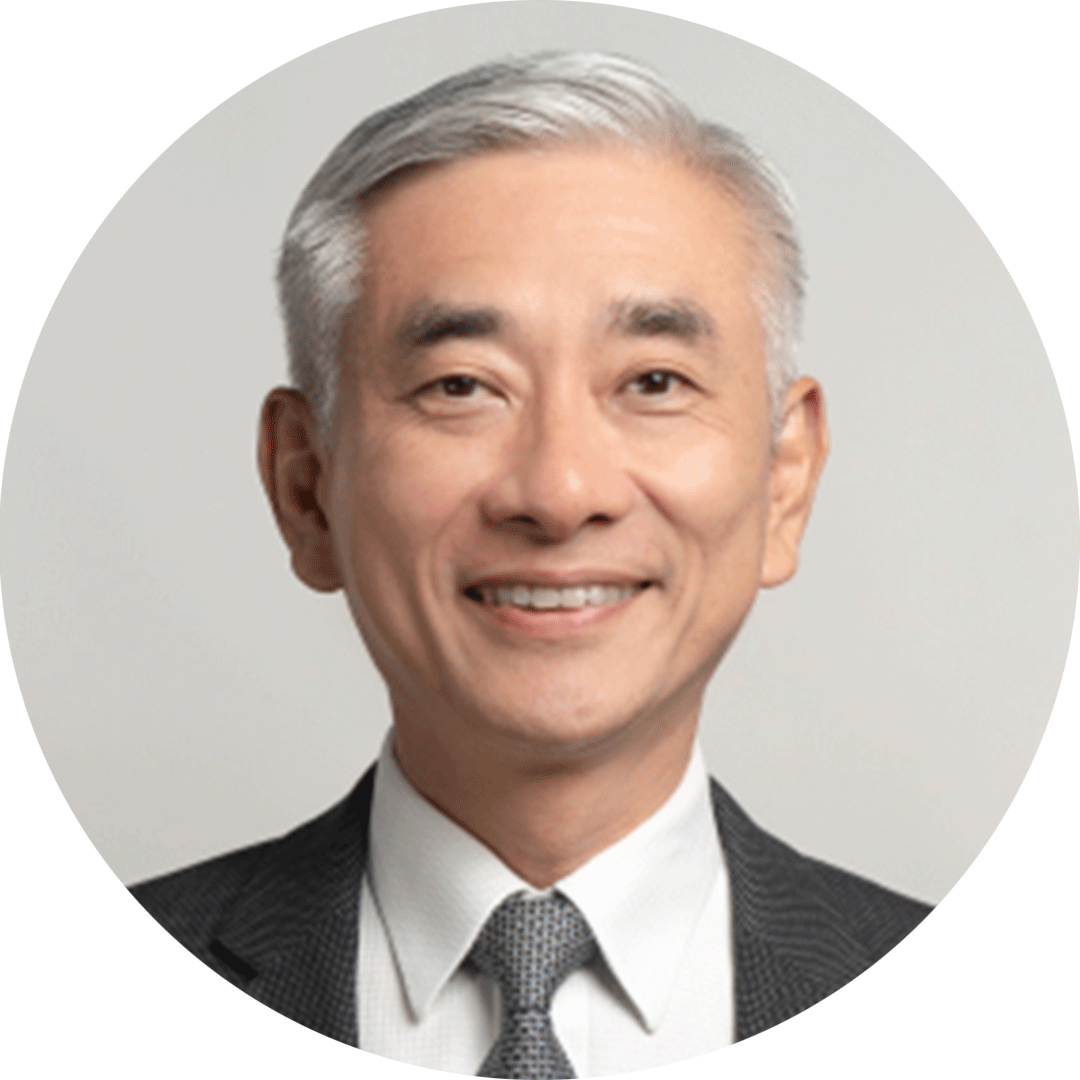
|
Ong Seow Leong
Group Head of Commercial and Buiness Development, PSA International Pte Ltd |
|---|
SLA Session – Rejuvenating Heritage Properties for Vibrant Communities
Led by Singapore Land Authority
Join urban experts as they share innovative approaches to adaptive reuse of State Properties or heritage buildings. Learn about the challenges and opportunities of reimagining spaces into vibrant community destinations that meet evolving public needs. Discover how adaptive reuse strategies can rejuvenate urban landscapes, preserve heritage and conserve historical charm, and create sustainable solutions for growing cities. This panel discussion will showcase how thoughtful repurposing can enhance liveability, foster community connections, and optimise land use in dense urban environments. Gain insights into balancing preservation with innovation, navigating regulatory frameworks, and engaging stakeholders to successfully transform State Properties into inclusive spaces that benefits the community and strengthen the social fabric.
Moderator
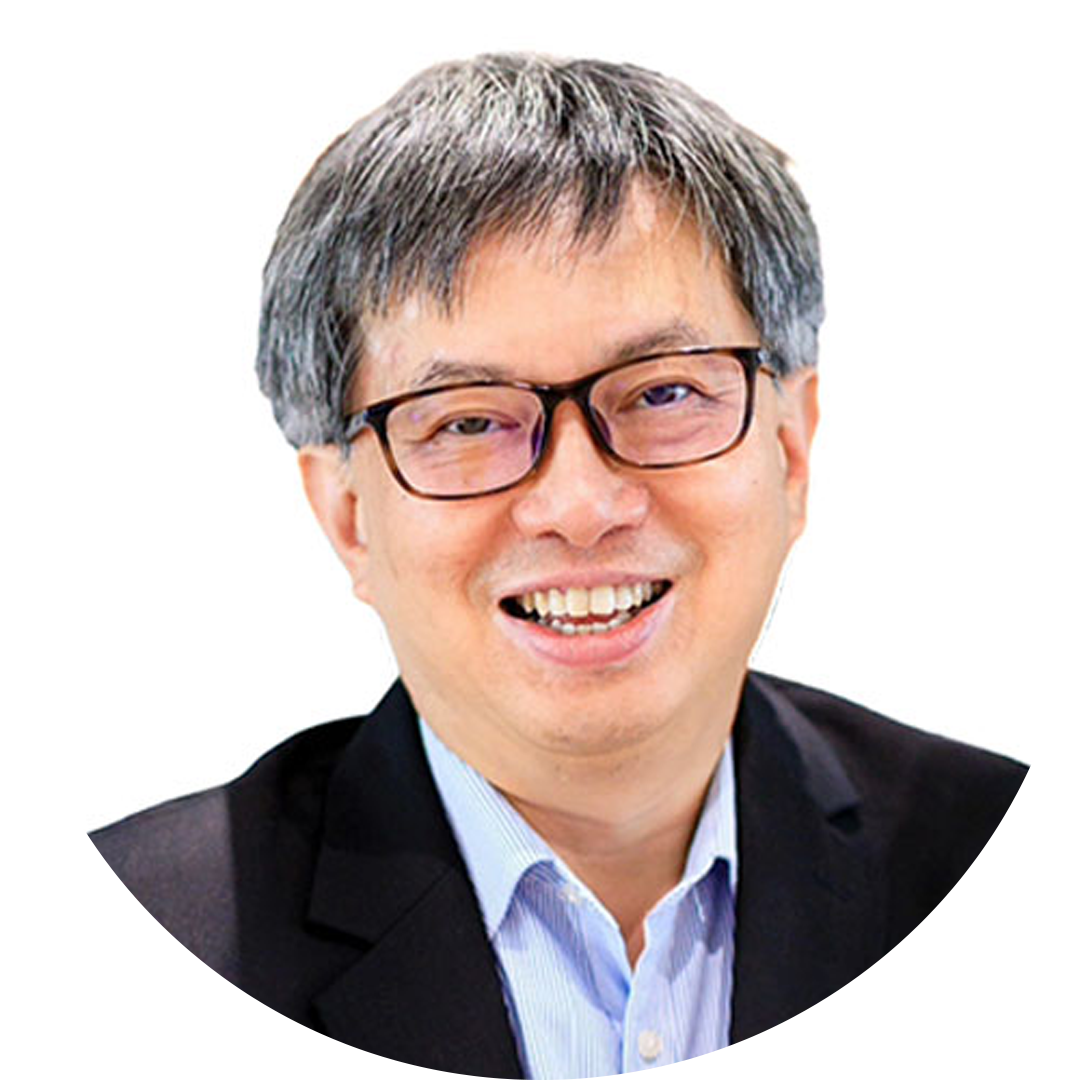
|
Joseph Ooi
Co-Director, Institute of Real Estate and Urban Studies, National University of Singapore |
|---|
Panel Speakers
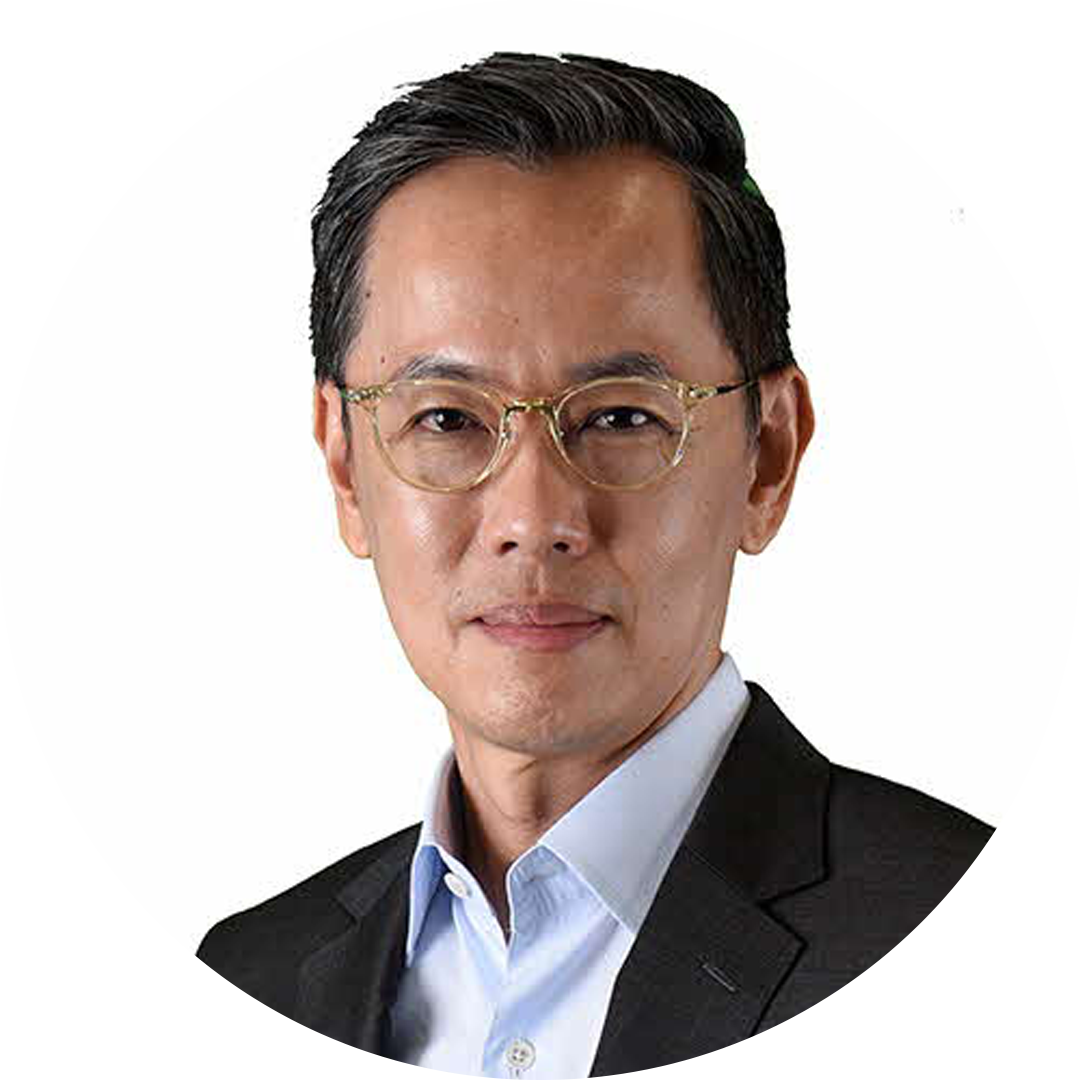
|
Calvin Phua
Chief Executive, Singapore Land Authority, Singapore |
|---|
|
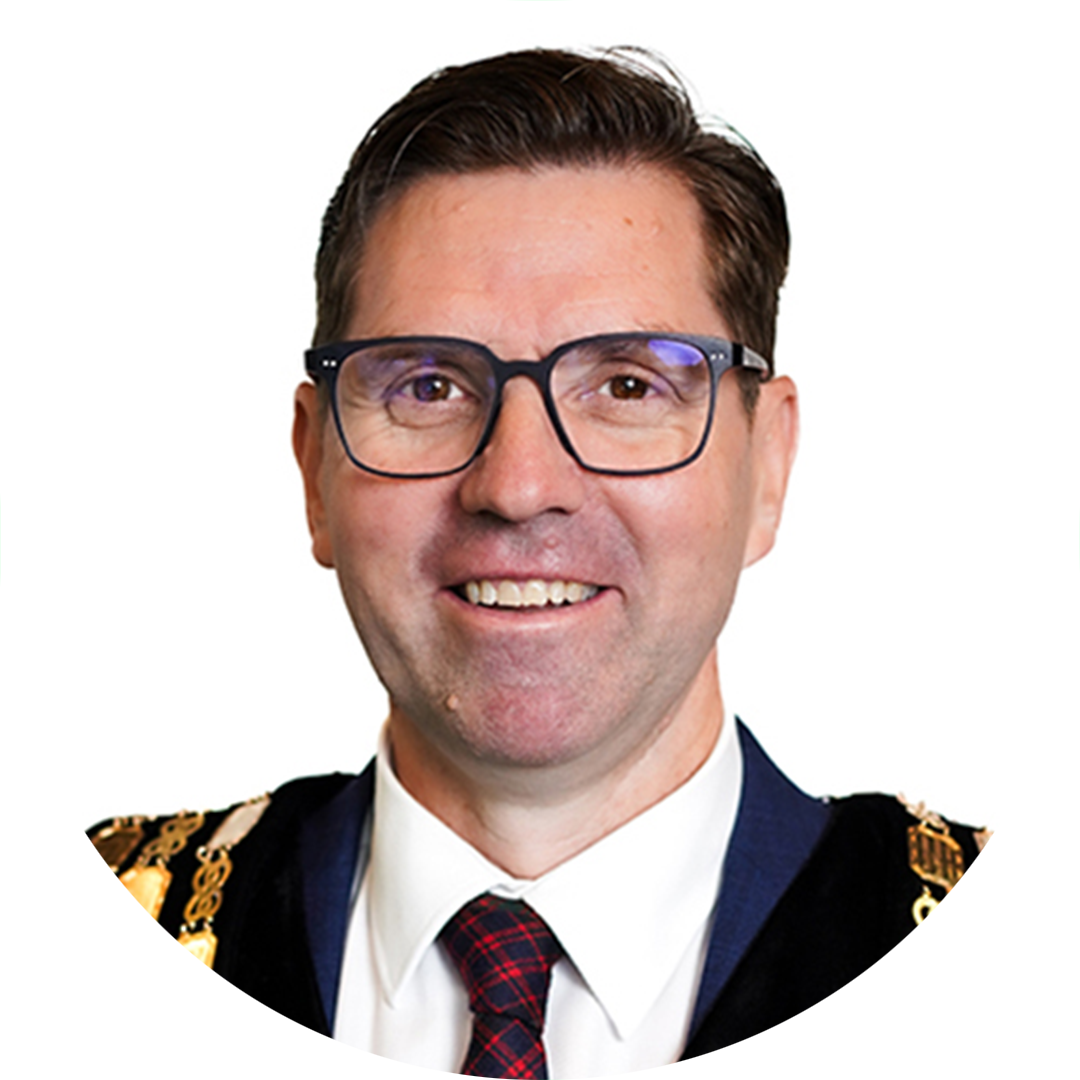
Geoffrey McDonald
Mayor, Toowoomba |
|---|
|
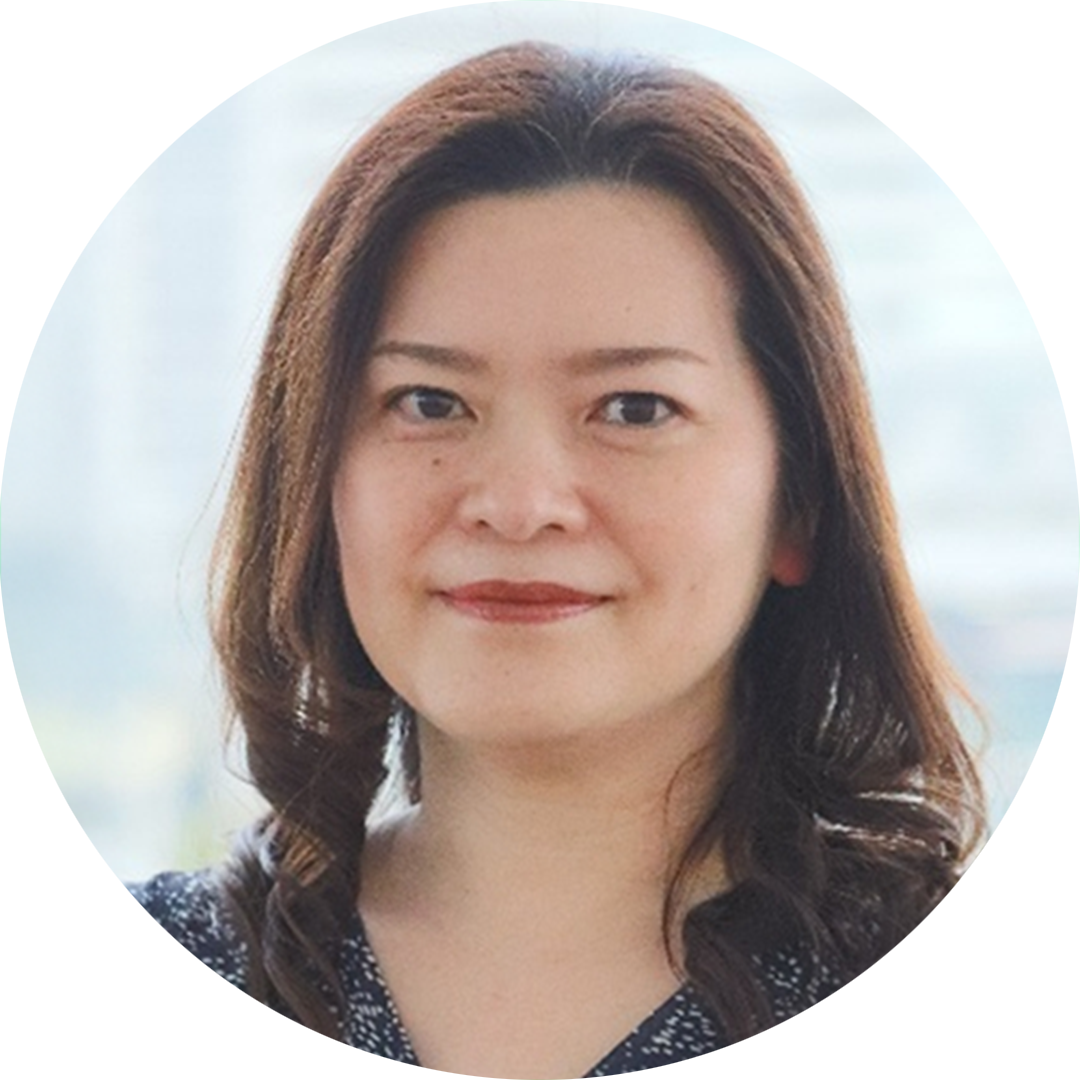
Tomomi Yamashita
Director General of the International Affairs Bureau for the City of Yokohama |
|---|
|
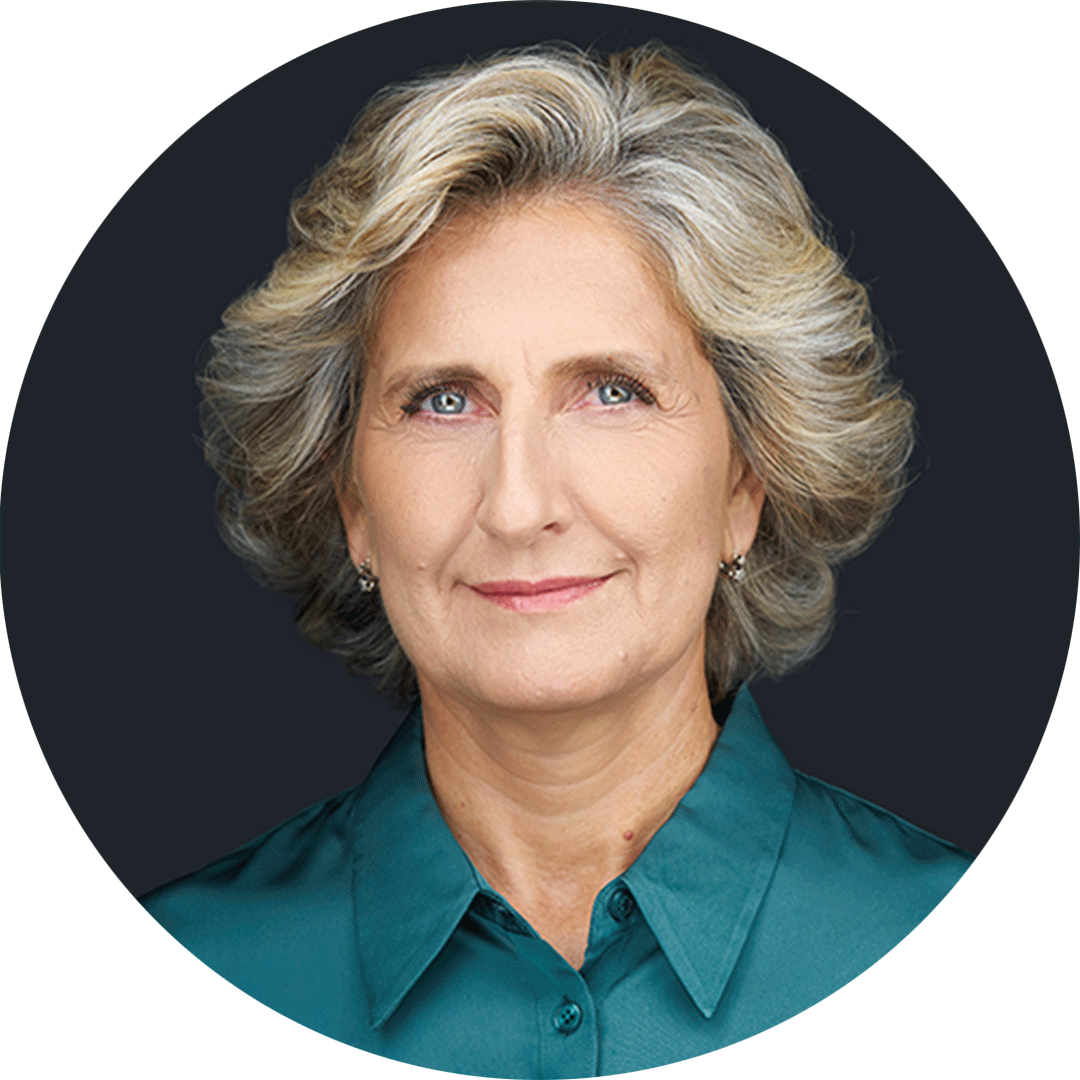
Ana Abrunhosa
Mayor, Coimbra |
|---|
|
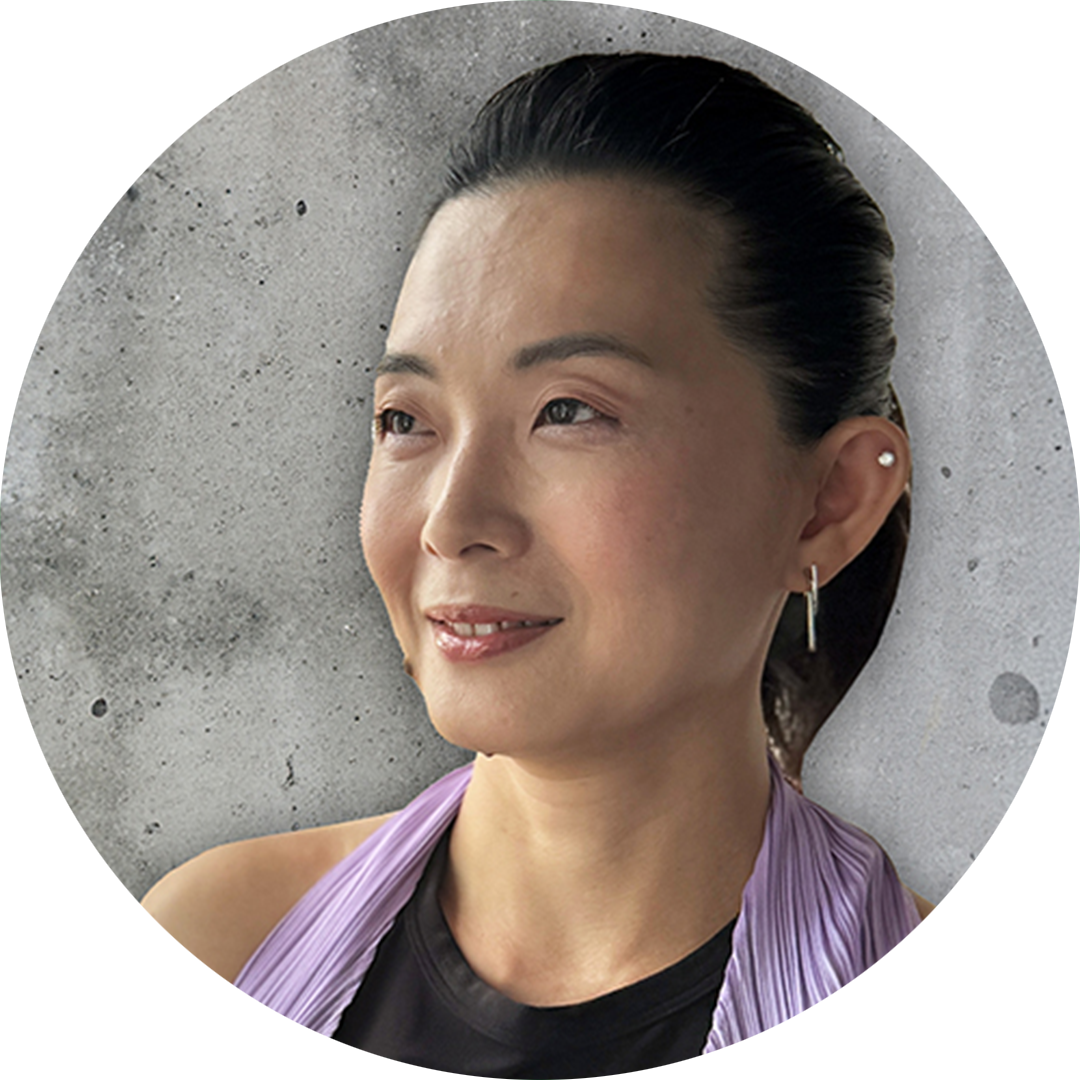
Ivy Koh
Executive Director, SJ Group |
|---|