A Singapore Government Agency Website


Secure websites use HTTPS
Look for a
lock () or https:// as an added precaution. Share sensitive
information only on official, secure websites.
We apologize for any inconvenience caused.
World Cities Summit >
Programme >
WCS Thematic Tracks & Sessions >
Resilient and Regenerative Cities
Resilient and Regenerative Cities
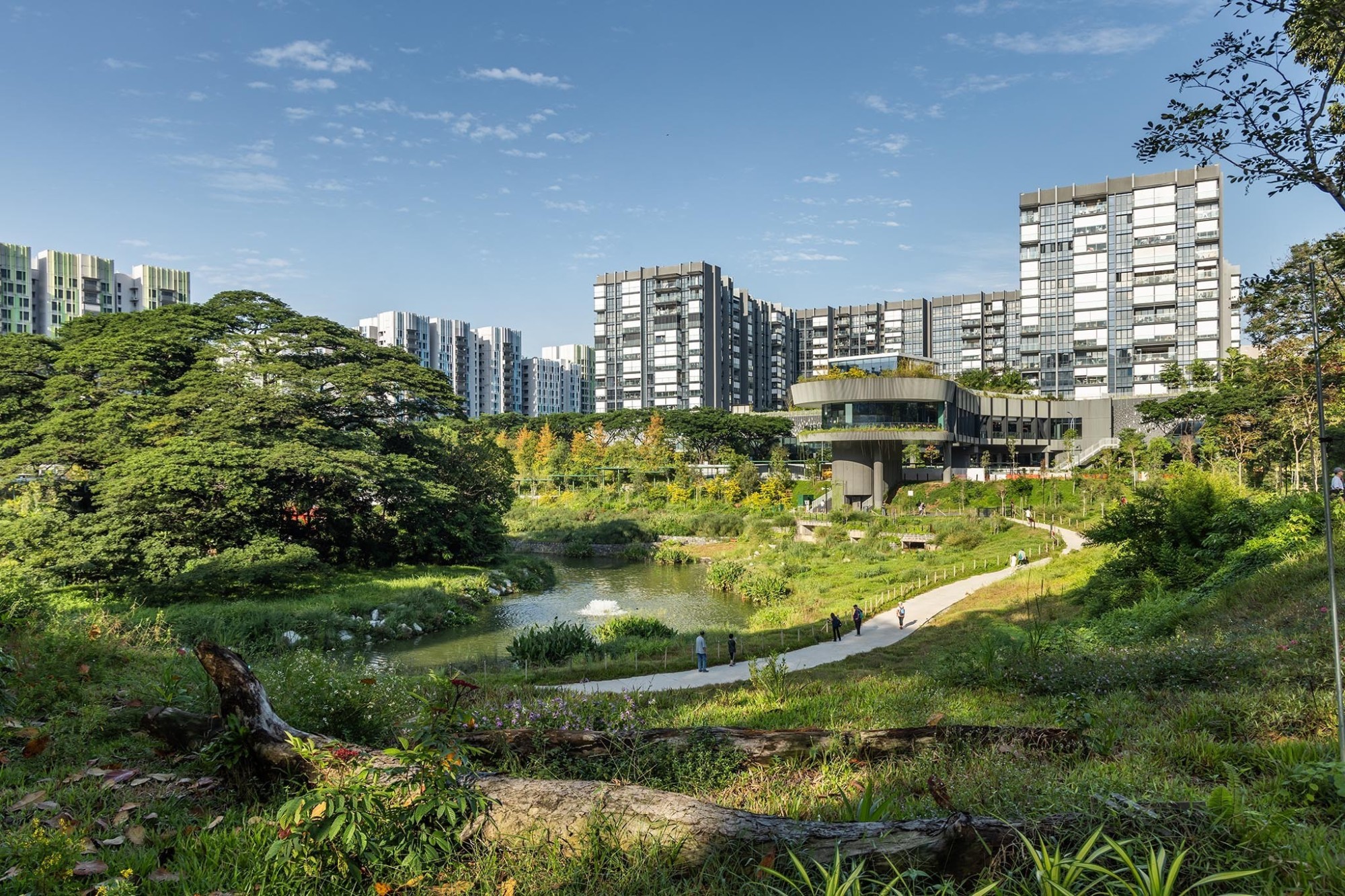
Photo: Finbarr Fallon
Climate change and rapid urbanisation are creating unprecedented challenges for cities. Innovative solutions and data-driven decision making are needed for climate adaptation plans. Better integration of nature-based solutions, carbon positive developments and resource circularity can enhance resilience and liveability.
Leadership Plenary 1: How can we create cities in nature through regenerative design?
Co-curated with C40 Cities
While the ecological and well-being benefits of urban nature are well-established, the urgent challenge remains: how do we transform our concrete landscapes into flourishing, living systems? This plenary moves beyond the "why" to focus on the strategy planning and delivery of nature on the ground - protecting existing ecosystems and cultivating new ones through rooftop greenery, redesigned public spaces, and biophilic neighbourhoods.
This plenary will dive into the practical levers of change that cities are utilising to sow the seeds for a future where nature and the built environment thrive in harmony including spatial strategy and land-use planning, market mechanisms and incentives, public asset, and participatory planning and stewardship.
Moderator
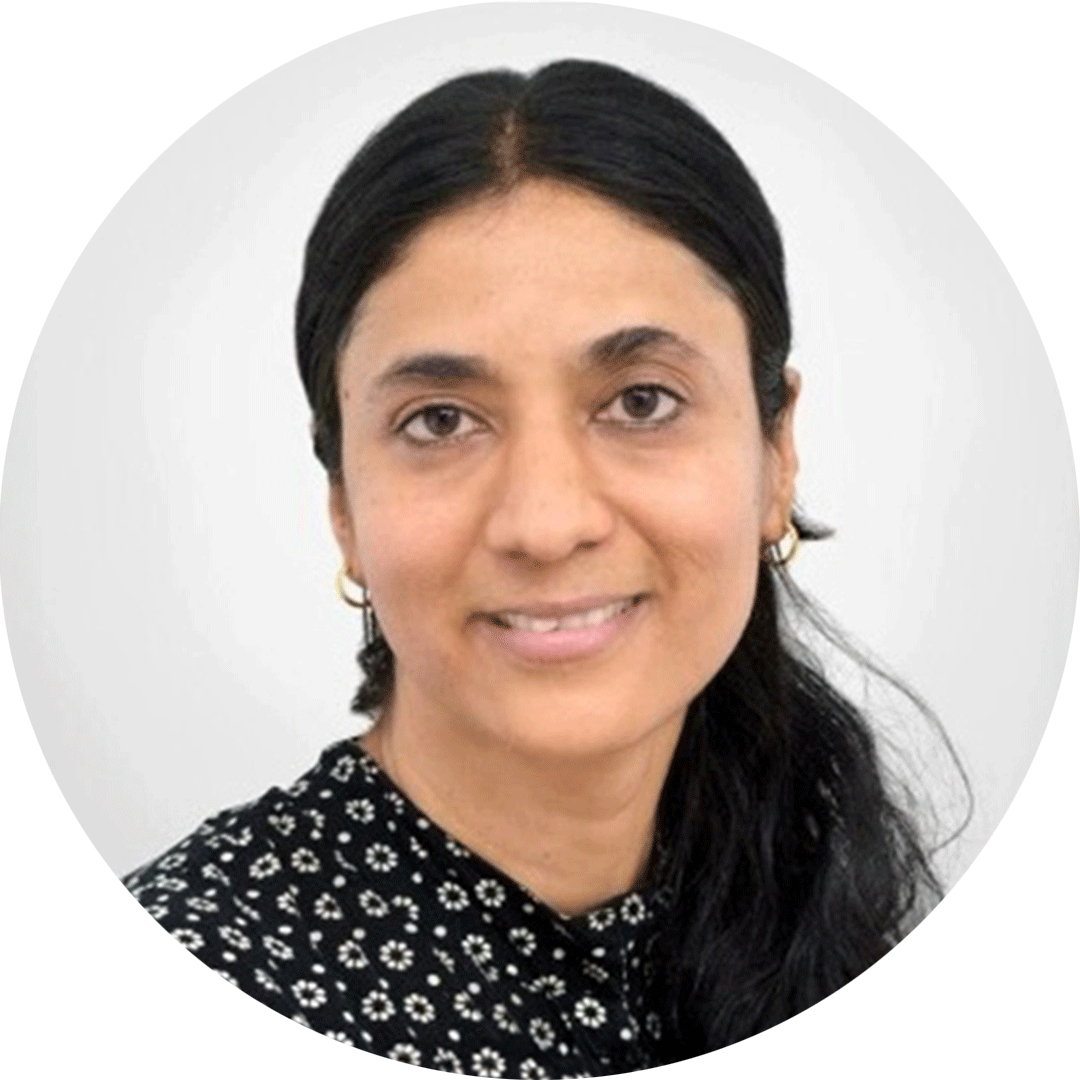 |
Shruti Narayan
Managing Director, Regions and Mayoral Engagement, C40 Cities |
|---|
Panel Speakers

|
Yvonne Aki-Sawyerr OBE
Mayor of Freetown |
|---|
|
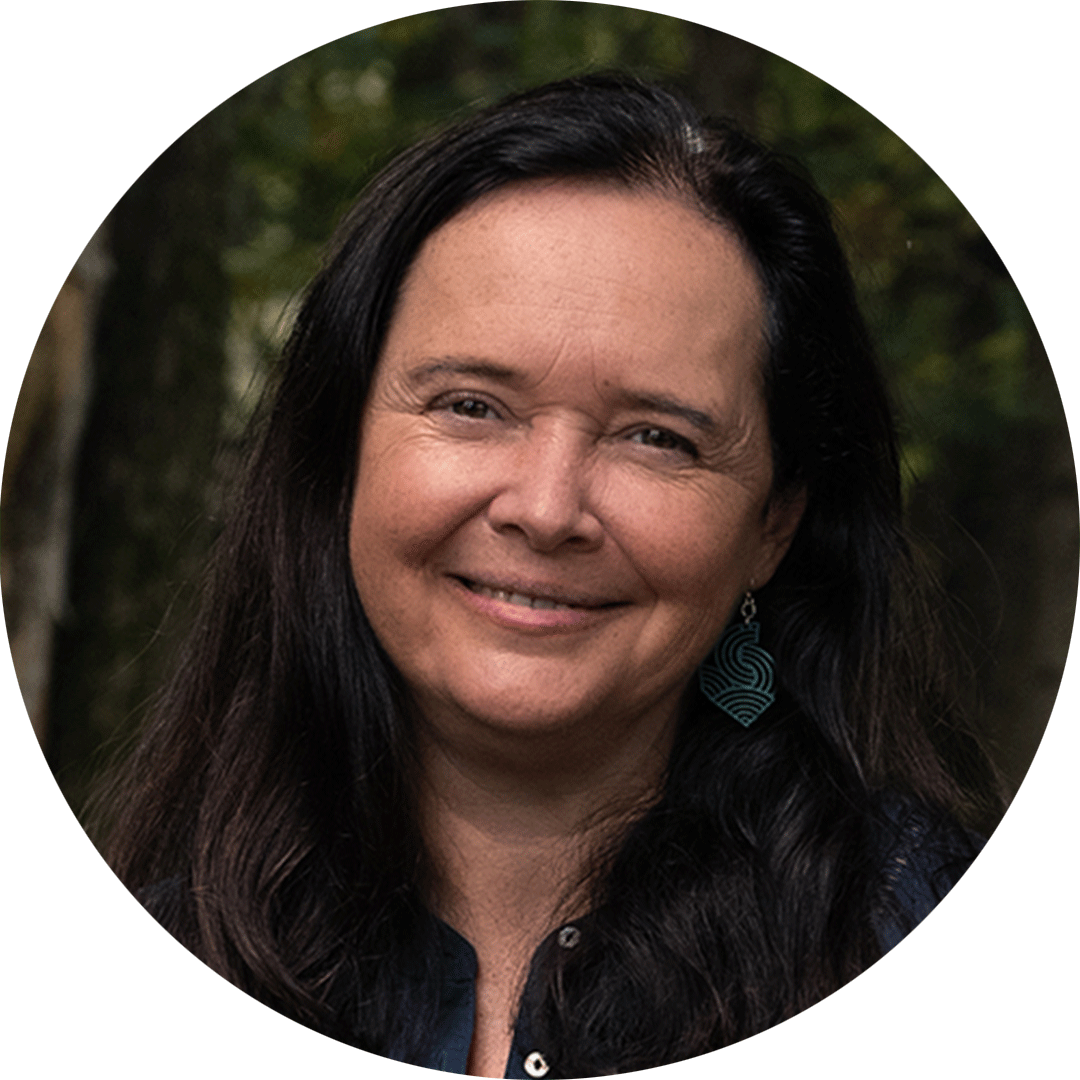
Amanda Sturgeon
Chief Executive Officer, Biomimicry Institute |
|---|
|
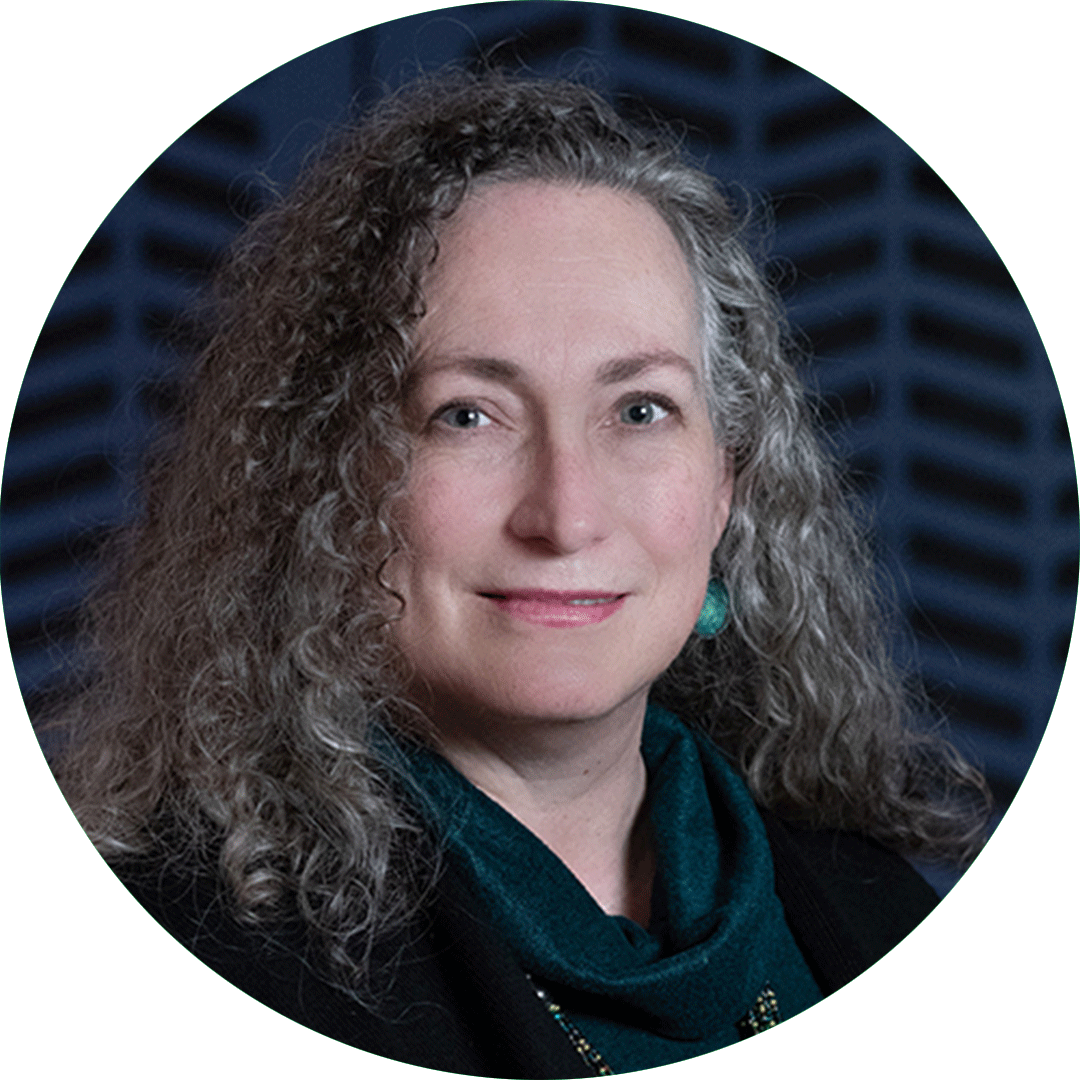
Chrisna du Plessis
Professor, University of Pretoria |
|---|
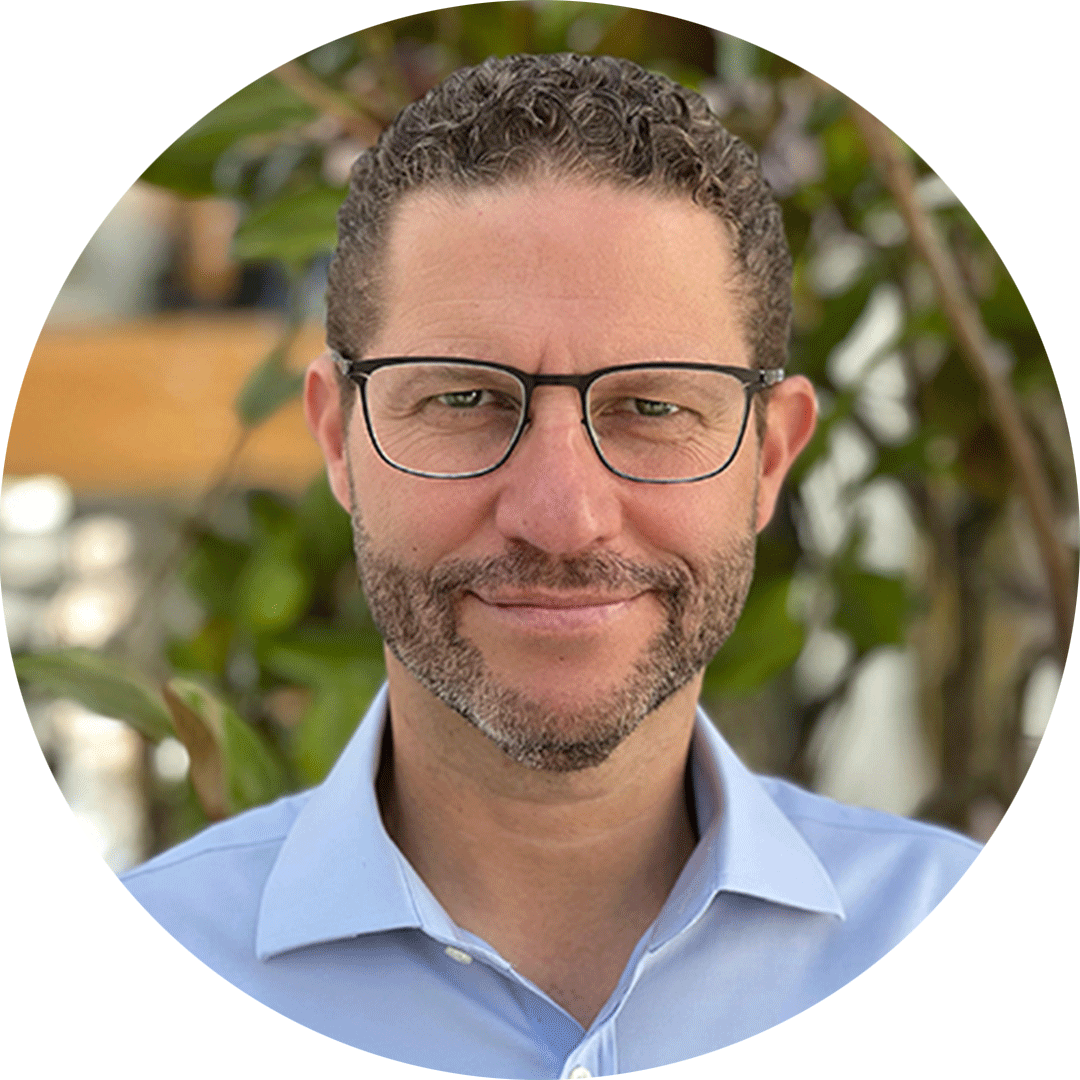
|
Mauricio Rodas
Former Mayor of Quito; Professor, University of Pennsylvania |
|---|
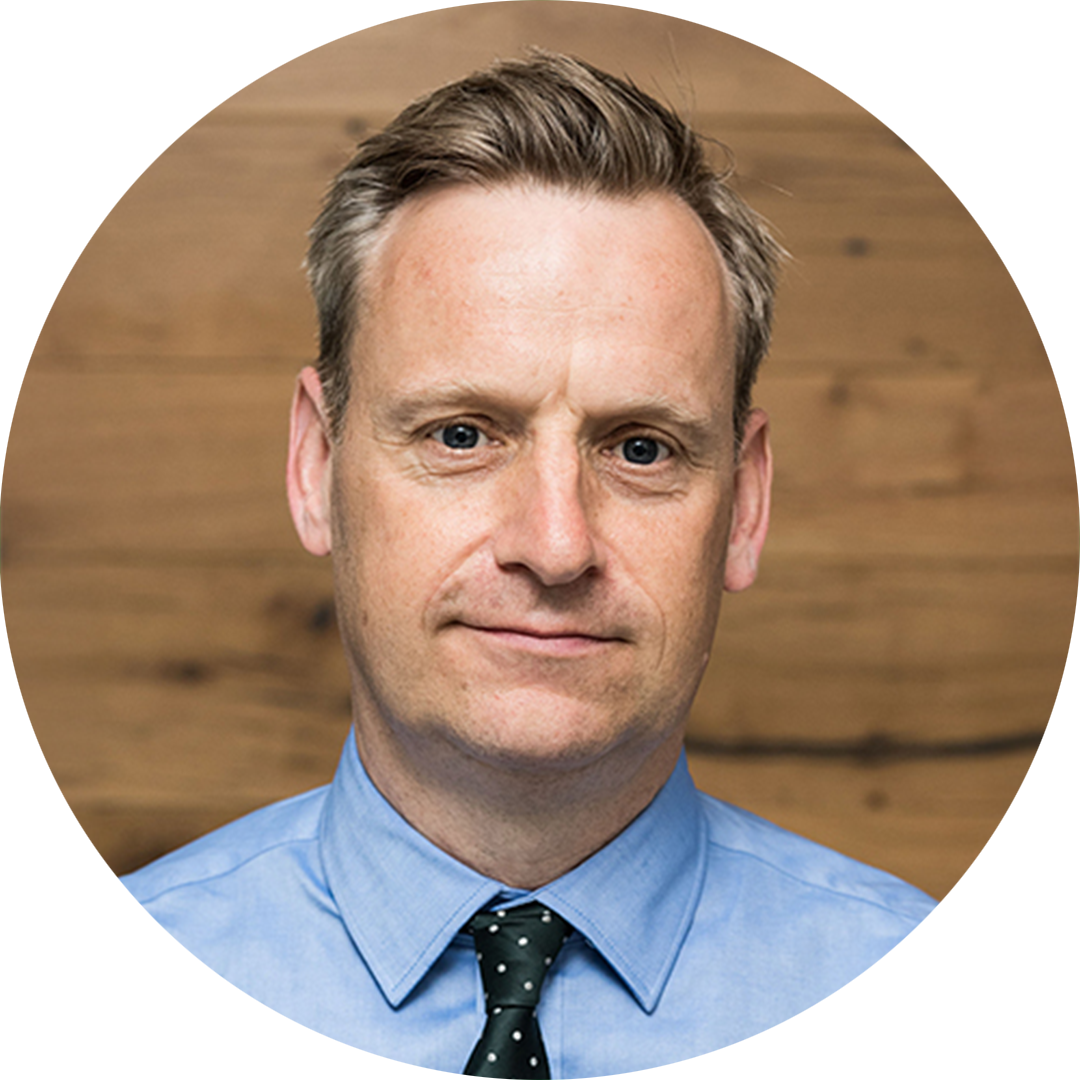
|
Richard de Cani
Chief Officer, Global Business and Markets, Arup |
|---|
Expert Insights
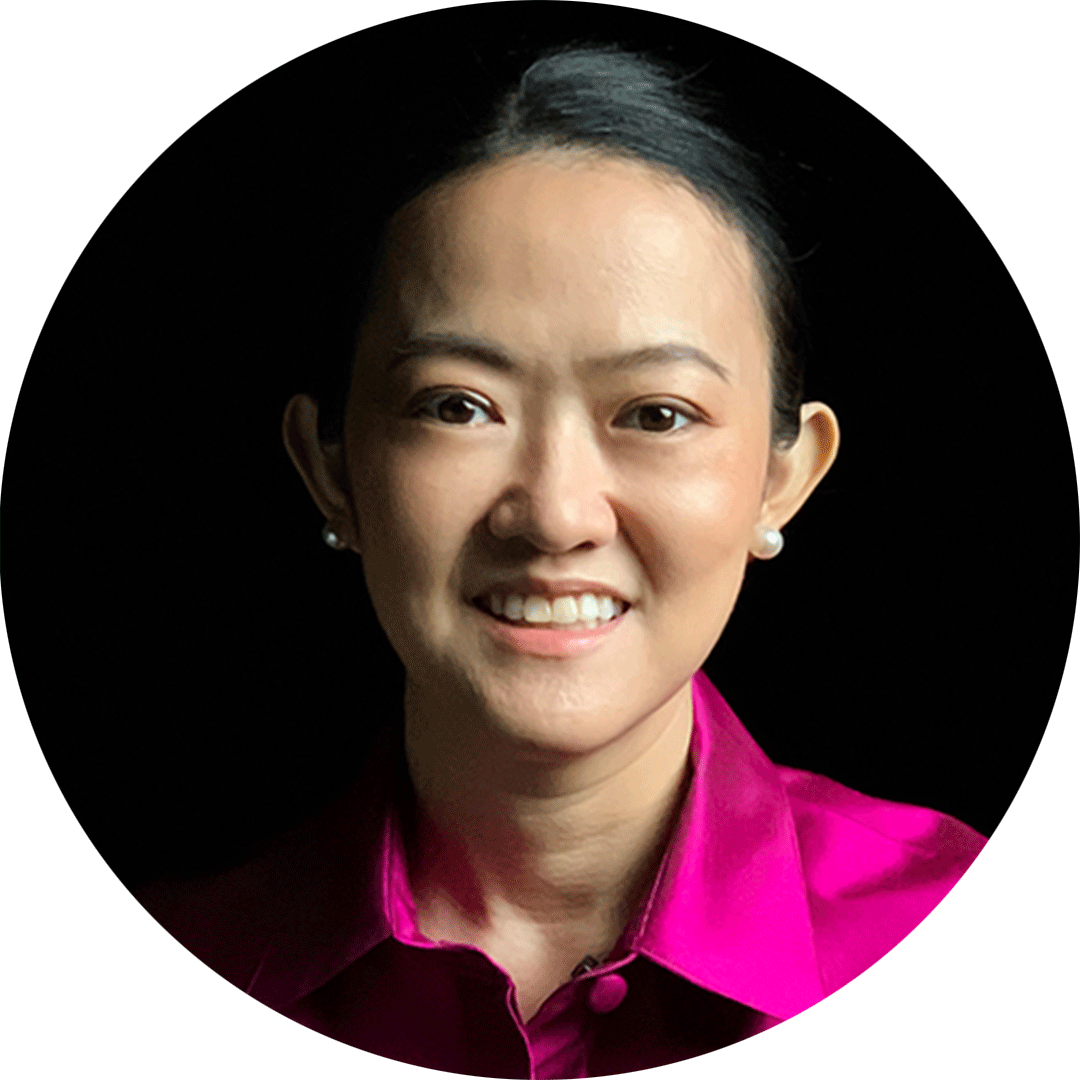
|
Kotchakorn Voraarkhom
Chief Executive Officer, LANDPROCESS, Porous City Network |
|---|
Leadership Plenary 2: How do cities achieve resource circularity and low-carbon futures?
Planning for a climate-changed and resource-constrained future increasingly involves low-carbon initiatives and resource circularity.
This plenary examines how these efforts can be better integrated across urban scales to enhance liveability and support a green economy in our cities, while accelerating the clean energy transition.
Panel 1
Moderator
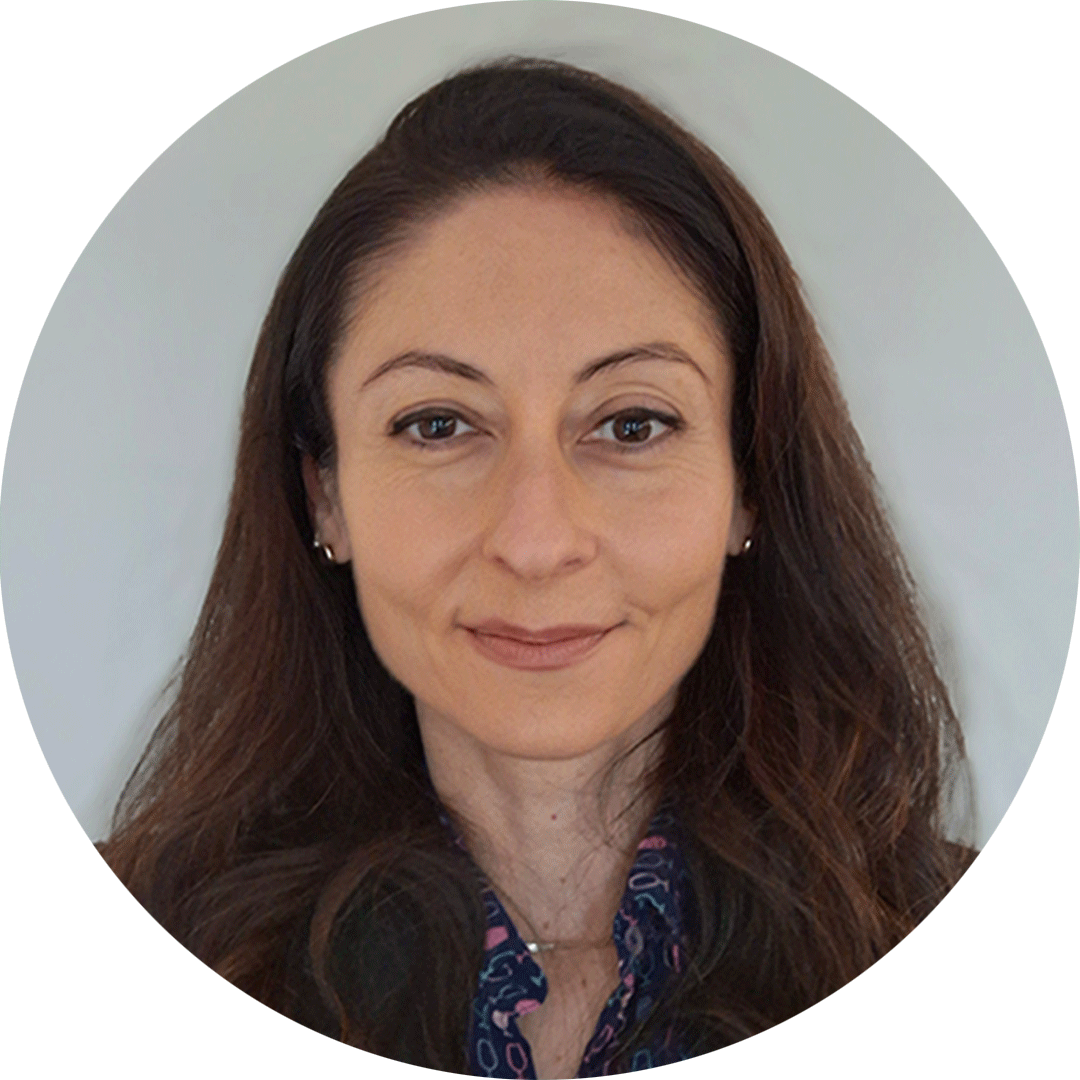
|
Lauren Nicole Sorkin
Executive Director, Resilient Cities Network |
|---|
Panel Speakers
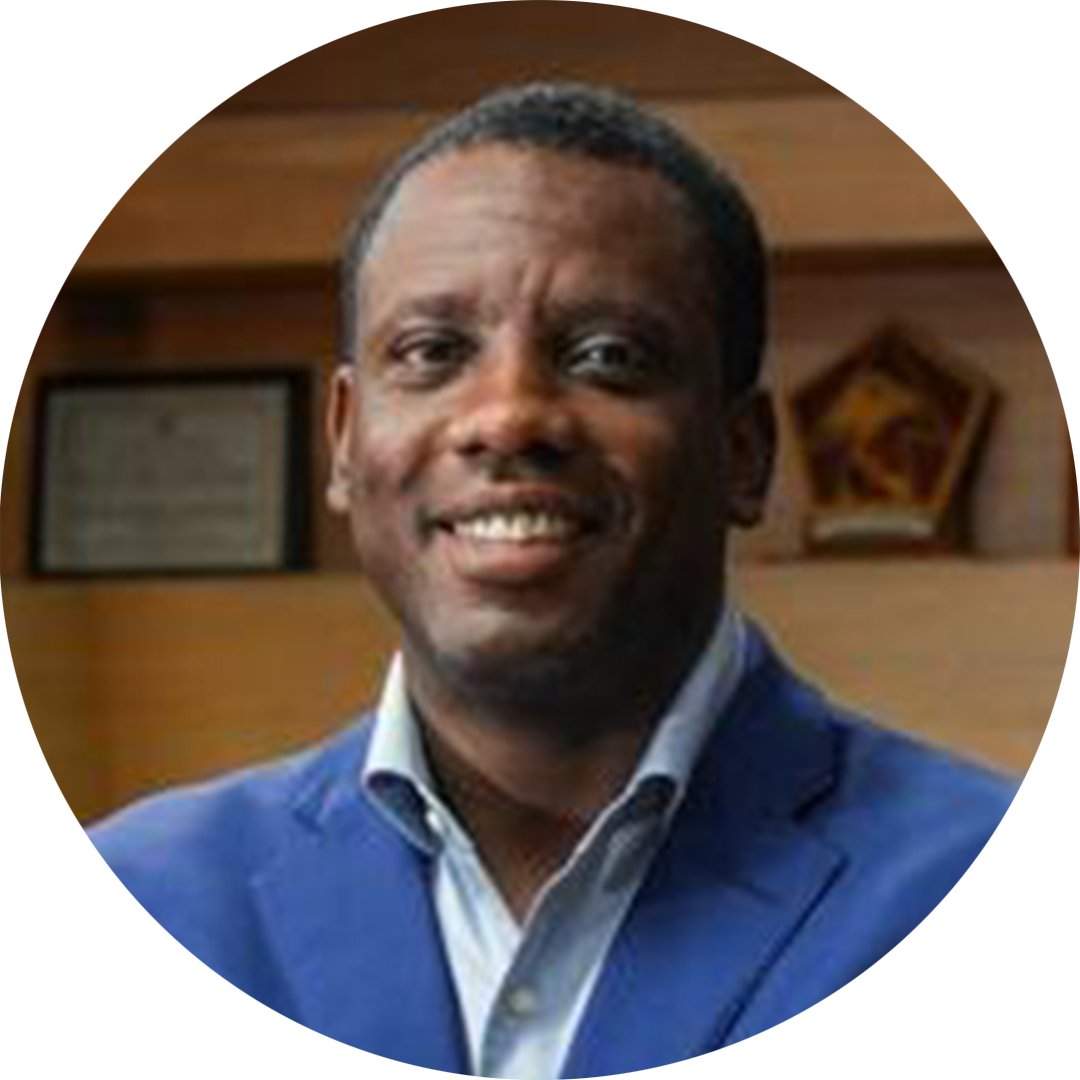
|
Roger Mina
General Manager of EMCALI |
|---|
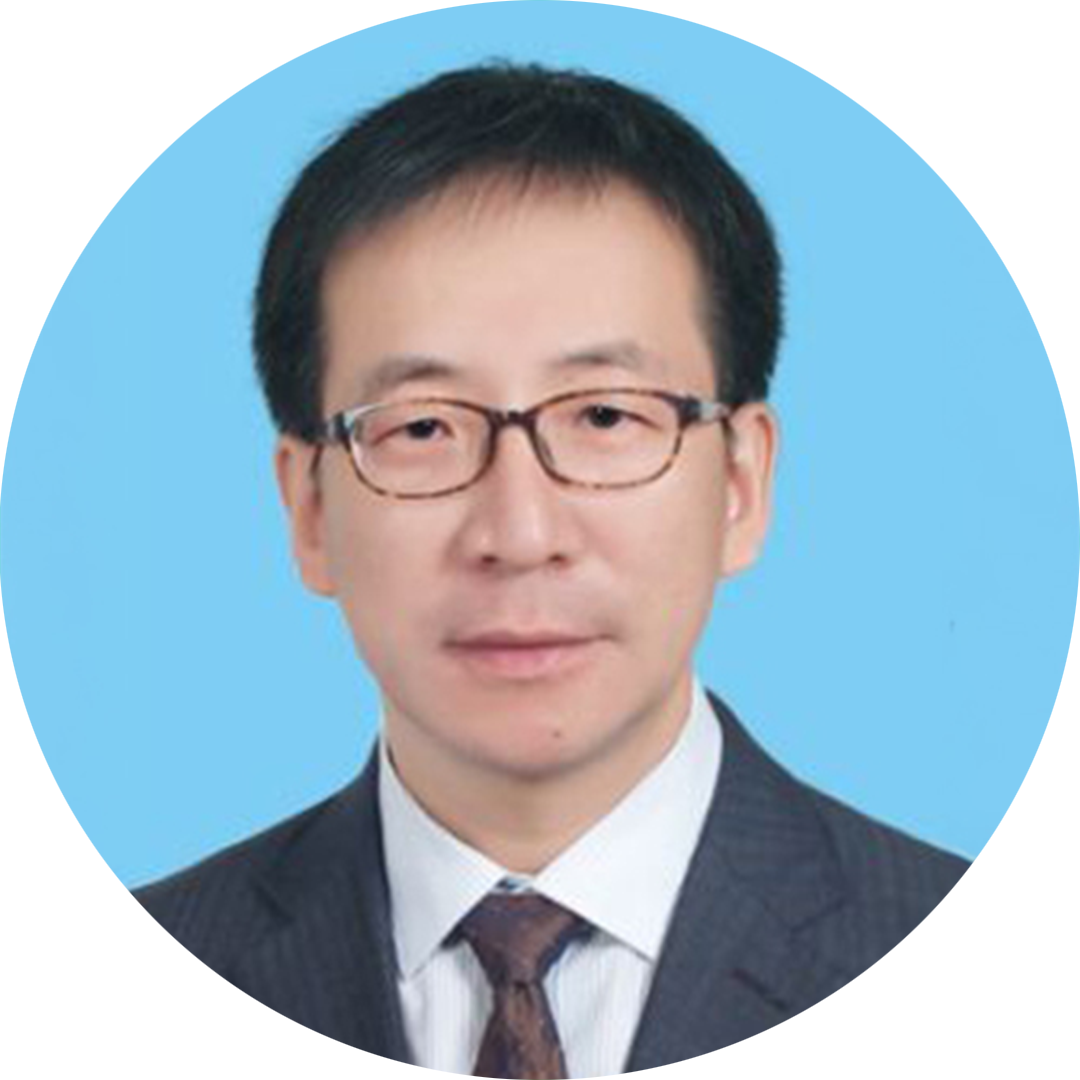
|
Li Xiaolong
Chief Engineer, Ministry of Housing and Urban-Rural Development |
|---|
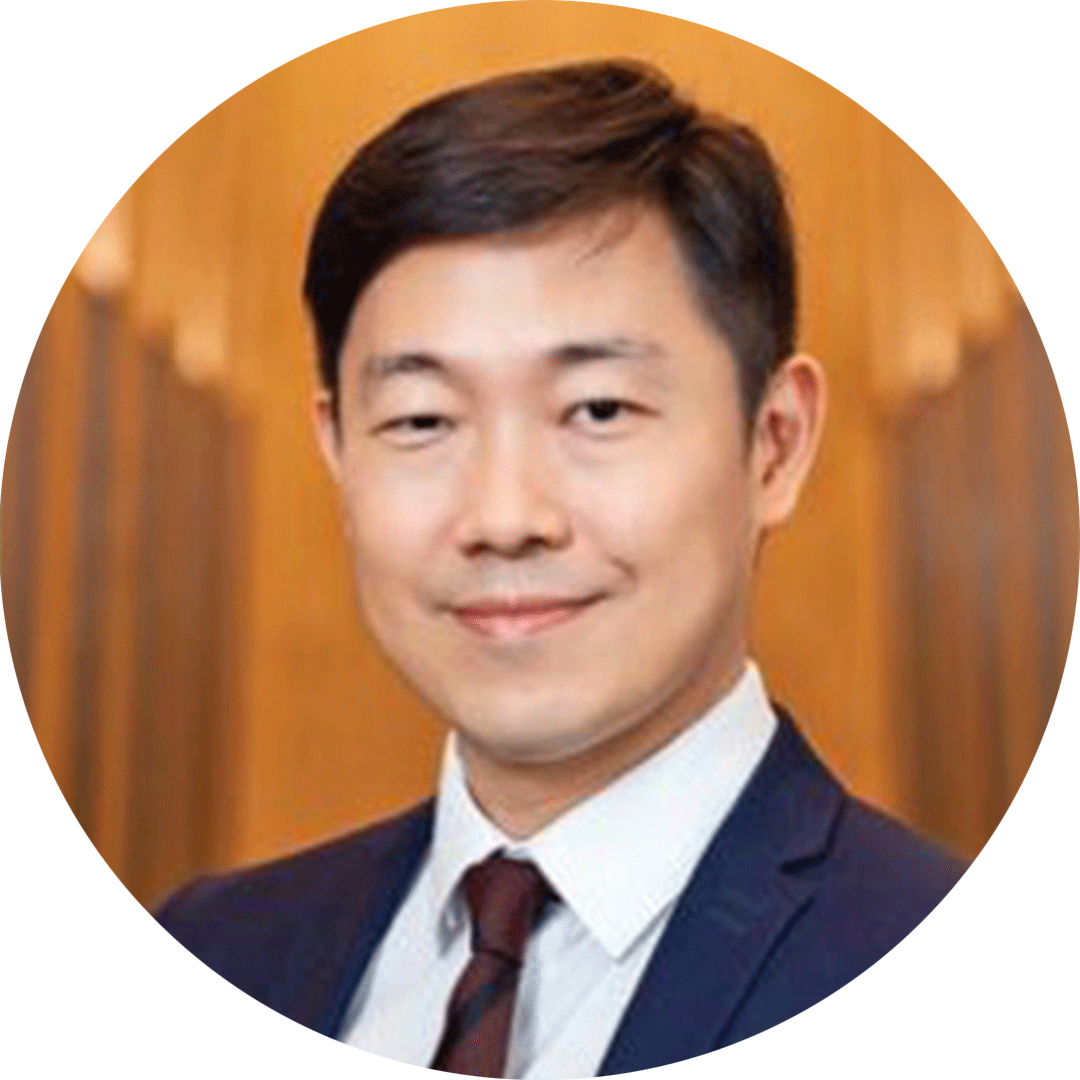
|
Cheng Hsing Yao
Group Chief Executive Officer, GuocoLand Limited |
|---|
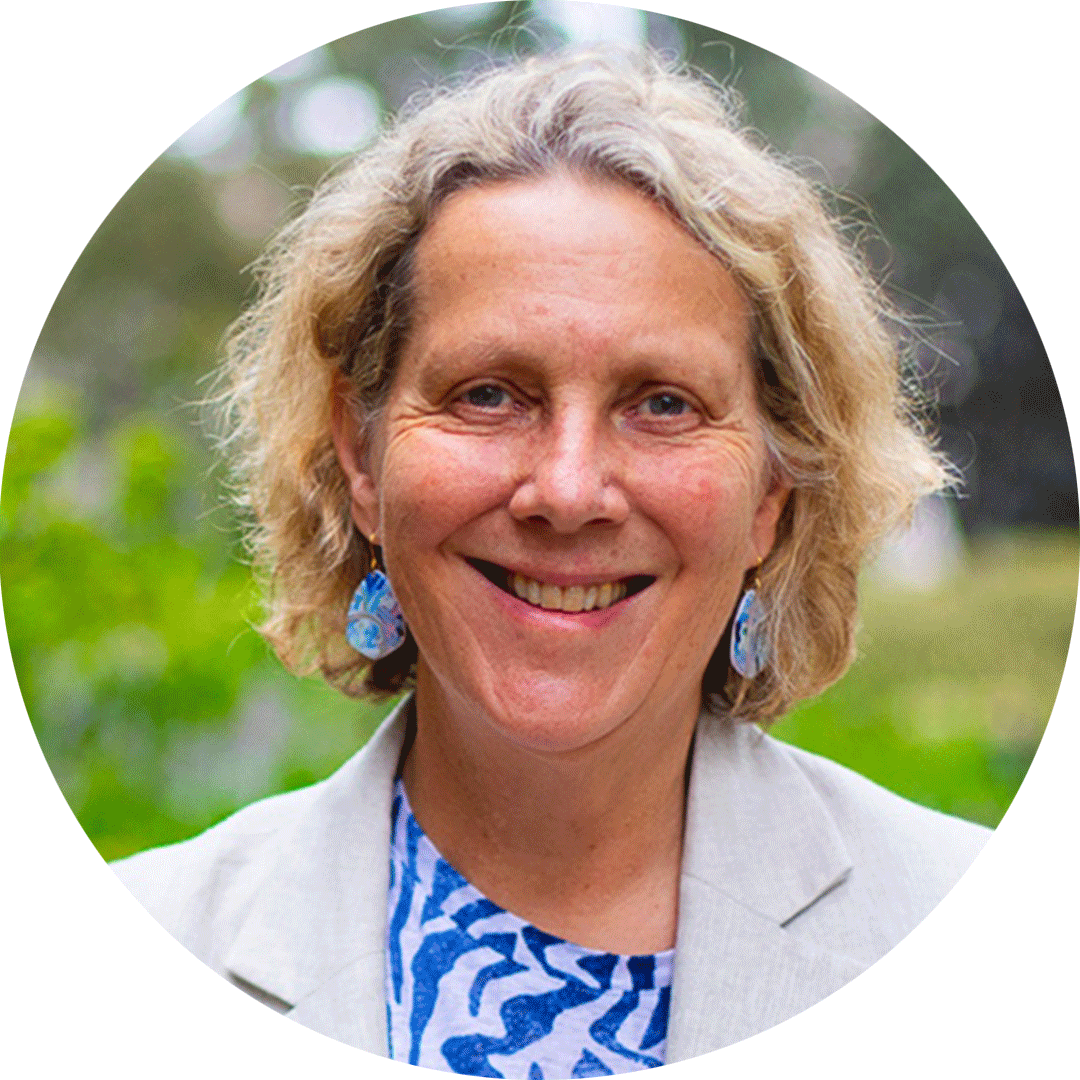
|
Barbara Norman
Emeritus Professor of Urban & Regional Planning, University of Canberra |
|---|
Panel 2
Moderator
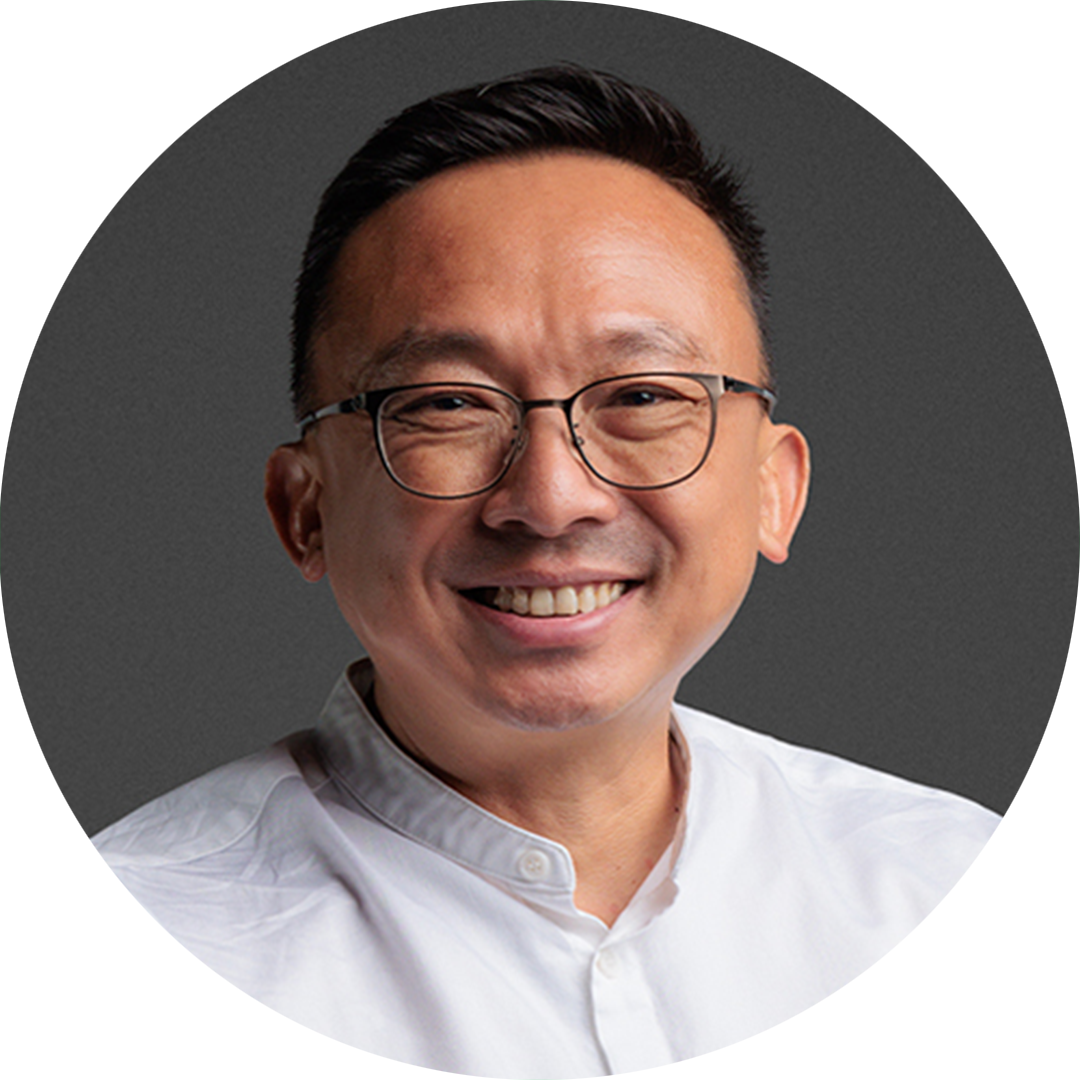
|
Khoo Peng Beng
Head of the Architecture and Sustainable Design (ASD) Pillar and Professor of Practice, Singapore University of Technology and Design |
|---|

|
Genesis Gavino
Chief of Staff to the City Manager for the City of Austin |
|---|
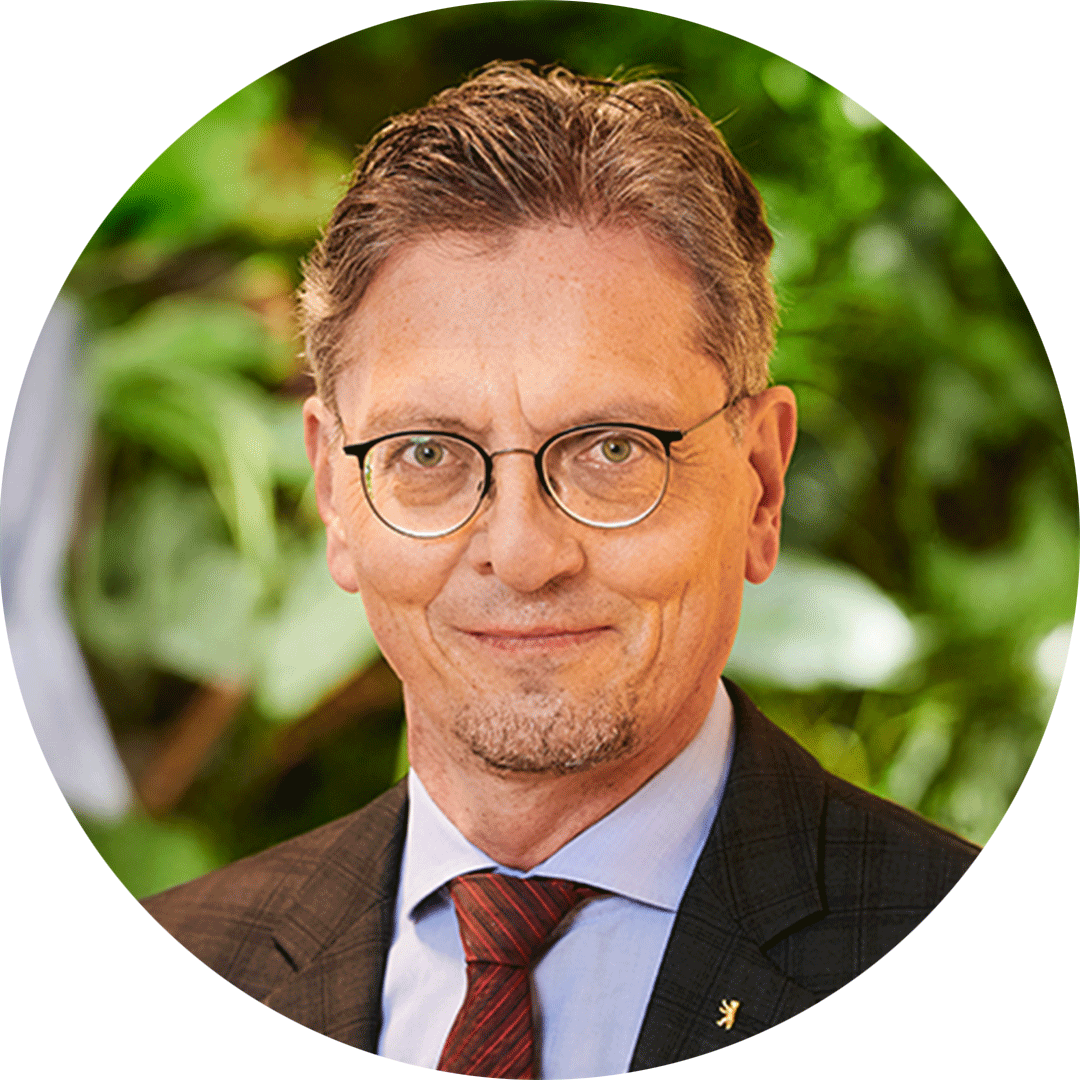
|
Christian Gaebler
Senator for Urban Development, Building and Housing, Berlin |
|---|

|
Farah Naz
Global Climate Advisory Director, SJ Group |
|---|
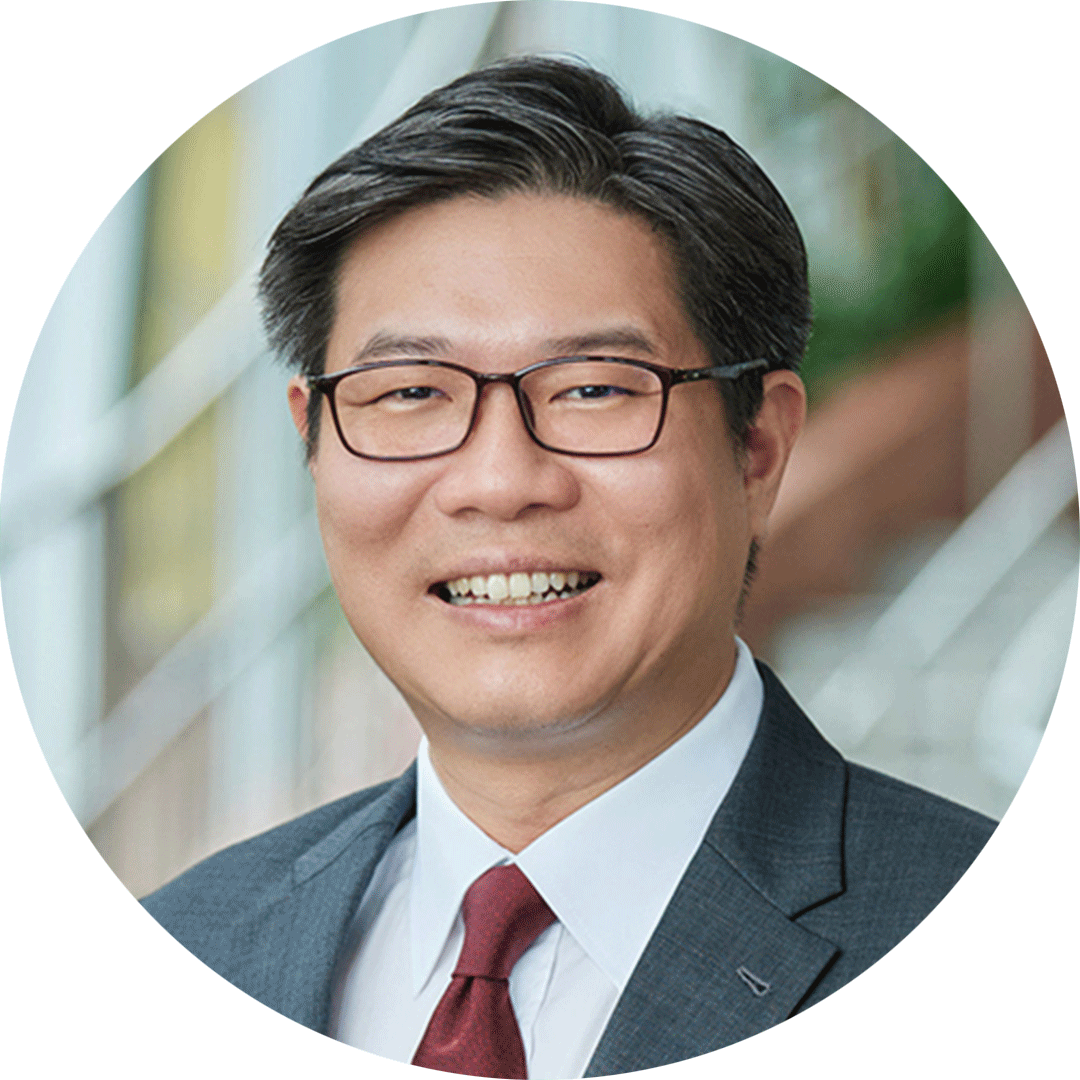
|
Frederick Teo
Chief Executive Officer, GenZero |
|---|
WRI Session – Building Resilient & Regenerative Cities of Asia: Rethinking the Nexus of Nature and Urban Infrastructure
Led by World Resources Institute
As Asian cities face accelerating climate risks alongside rapid urbanization, there is an urgent need to rethink how urban systems are planned and delivered. Housing development, environmental management, and mobility systems are often addressed in isolation, leading to fragmented outcomes that can exacerbate vulnerability to floods, heat, pollution, and social inequality.
This session will explore how cities can move beyond siloed approaches toward integrated, systems-based solutions. By aligning housing, nature-based solutions, and low-emission mobility, cities can reduce climate risks whilst enhancing livability, equity, and long-term sustainability. Bringing together policymakers, city leaders, and development partners, the session will highlight practical experiences from Indonesia and across Asia to examine the governance, financing, and partnerships needed to transition from fragmented interventions to regenerative urban systems for resilient, inclusive, and future-ready cities in the region.
Moderator
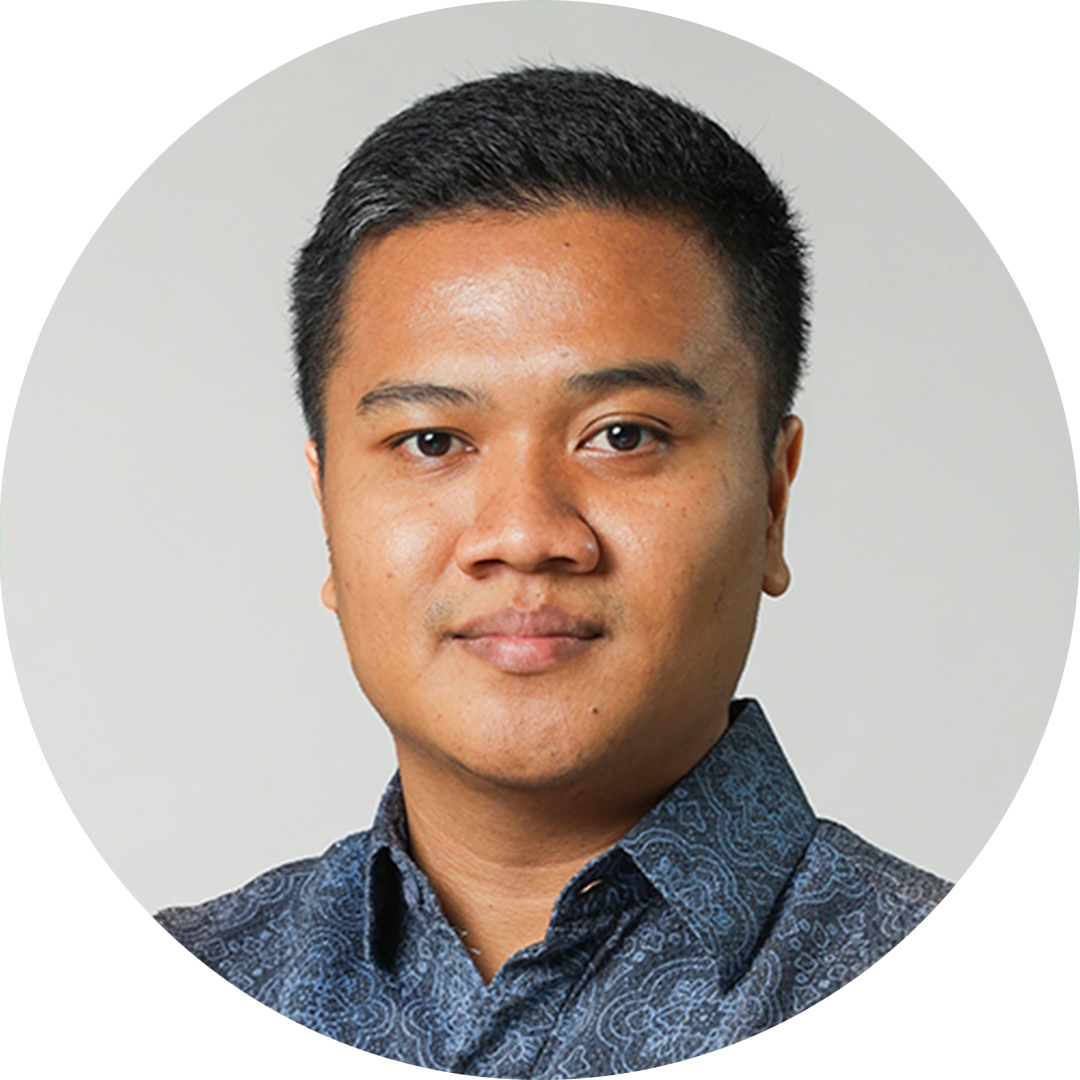
|
Made Vikannanda
Senior Manager for Resilient Cities & Transport, World Resources Institute |
|---|
Panel Speakers
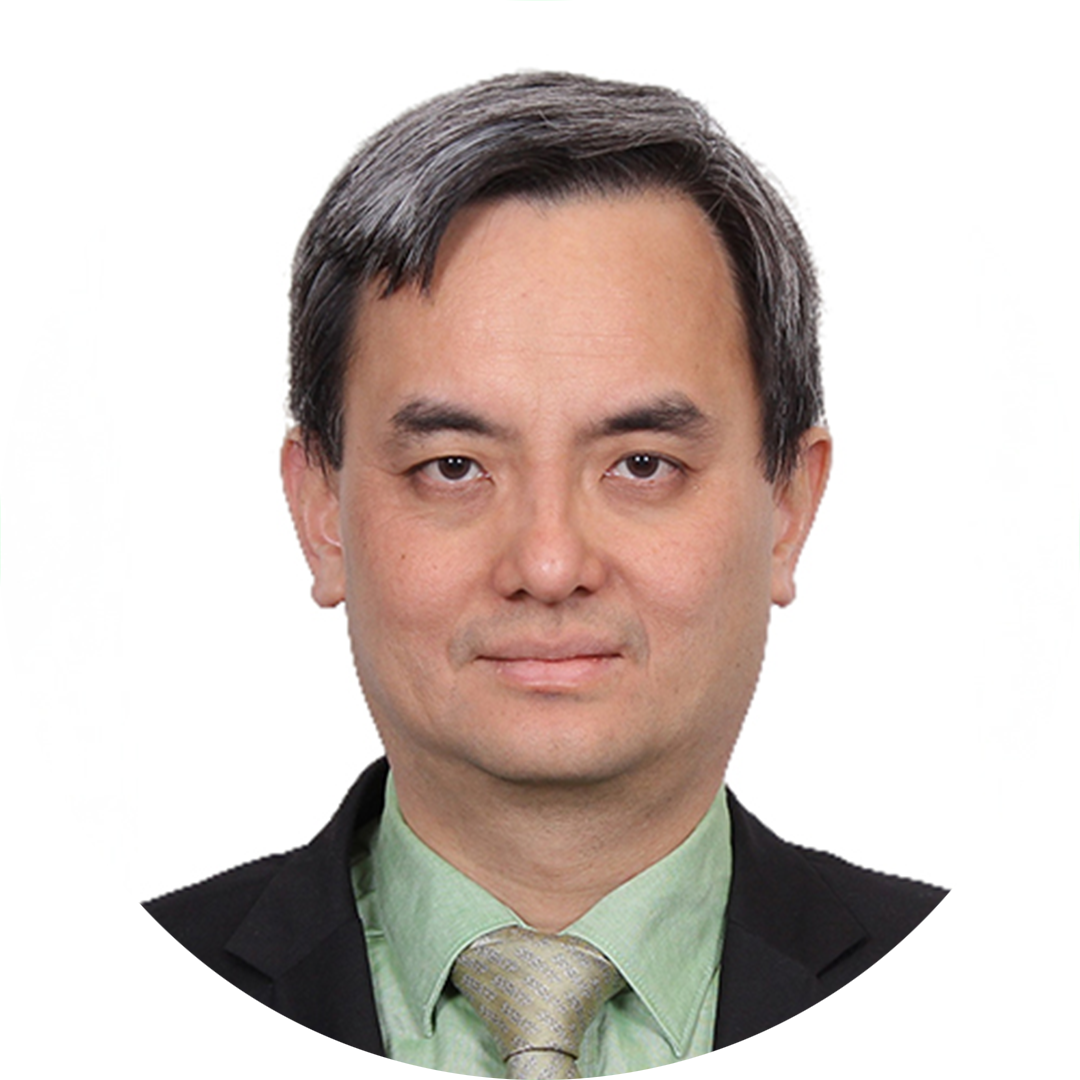
|
Ping Yean Cheah
Senior Partnerships Officer for Resource Mobilisation, Asian Infrastructure Investment Bank |
|---|
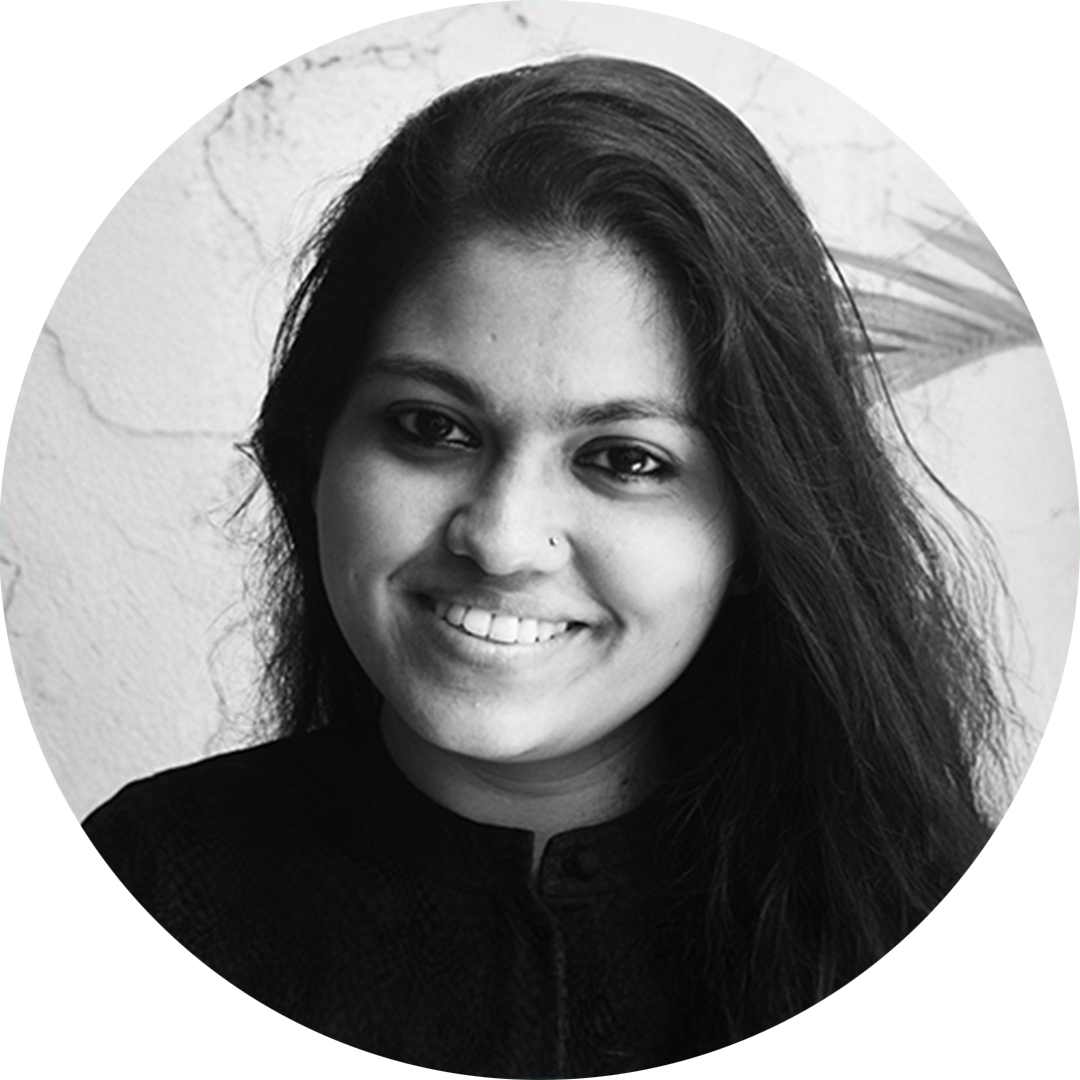
|
Deepti Talpade
Program Lead, Urban Development and Resilience, World Resources Institute India |
|---|
CLC-IPCC Session – Bridging Science and Practice: Senior Leaders Roundtable on the IPCC Special Report on Climate Change and Cities
By-invite only
Cities sit firmly on the frontlines of climate change, where mitigation decisions focus on reducing emissions and adaptation actions directly affect lives, livelihoods, and local economies in lowering risks. Recognising this, the Intergovernmental Panel on Climate Change (IPCC) is preparing its first Special Report on Climate Change and Cities (SRCities), which will assess the state of scientific evidence on urban climate risks, responses, and pathways for climate resilience including urban redevelopment and regeneration.
In conjunction with the review of the report’s Second Order Draft and preparation of a Summary for Policymakers, this session will be a conversation between IPCC scientists, mayors, senior city officials, and urban climate experts on the bridging required to move from the IPCC SR Cities to real world implementation of climate action on the ground.
Keynote Speaker
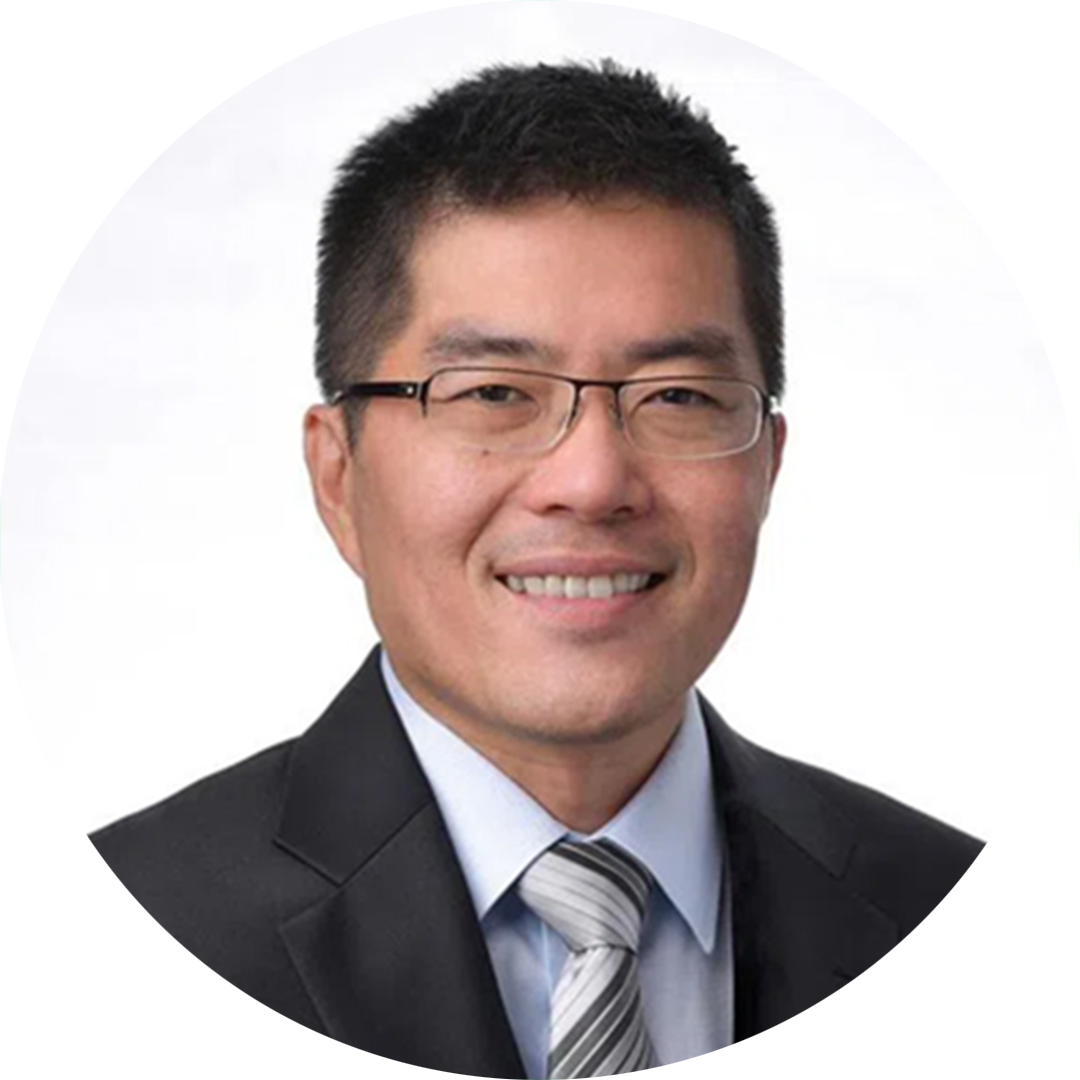
|
Melvyn Ong
Permanent Secretary, Ministry of Sustainability and the Environment, Singapore |
|---|
Moderator
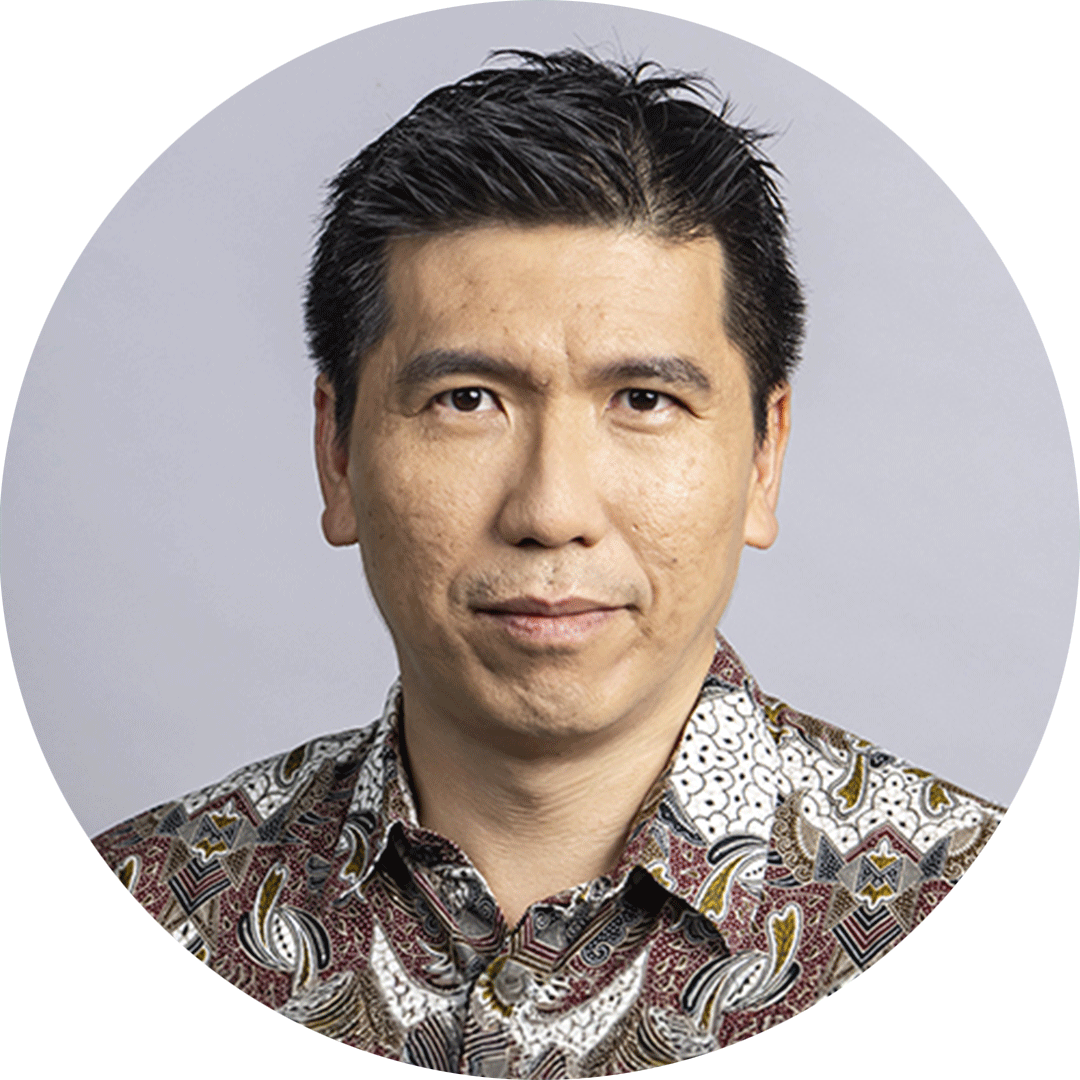
|
Winston Chow
Lee Kong Chian Professor of Urban Climate, Singapore Management University, & IPCC Co-Chair |
|---|
Panel Speakers
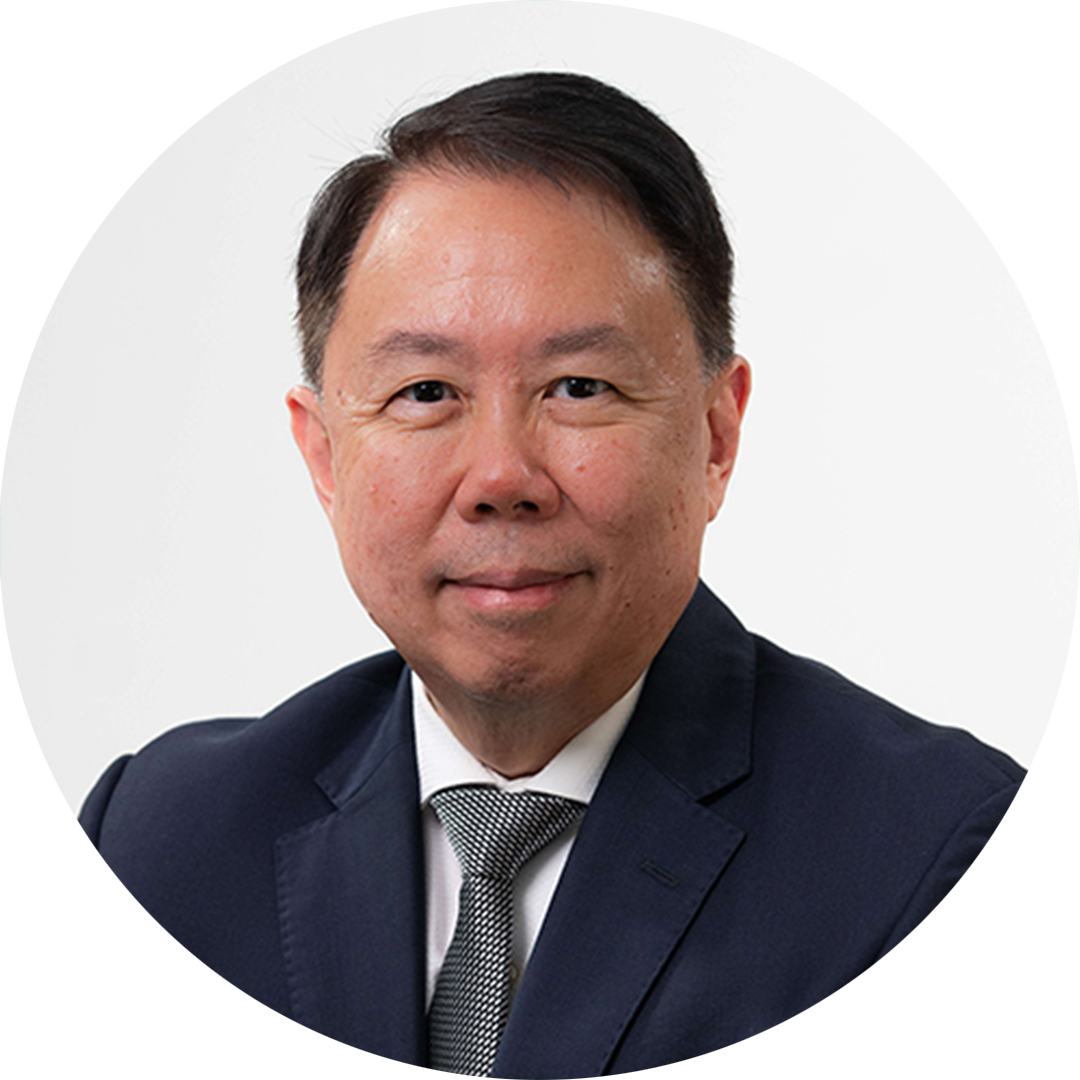 |
Hugh Lim
Then-Executive Director, Centre for Liveable Cities |
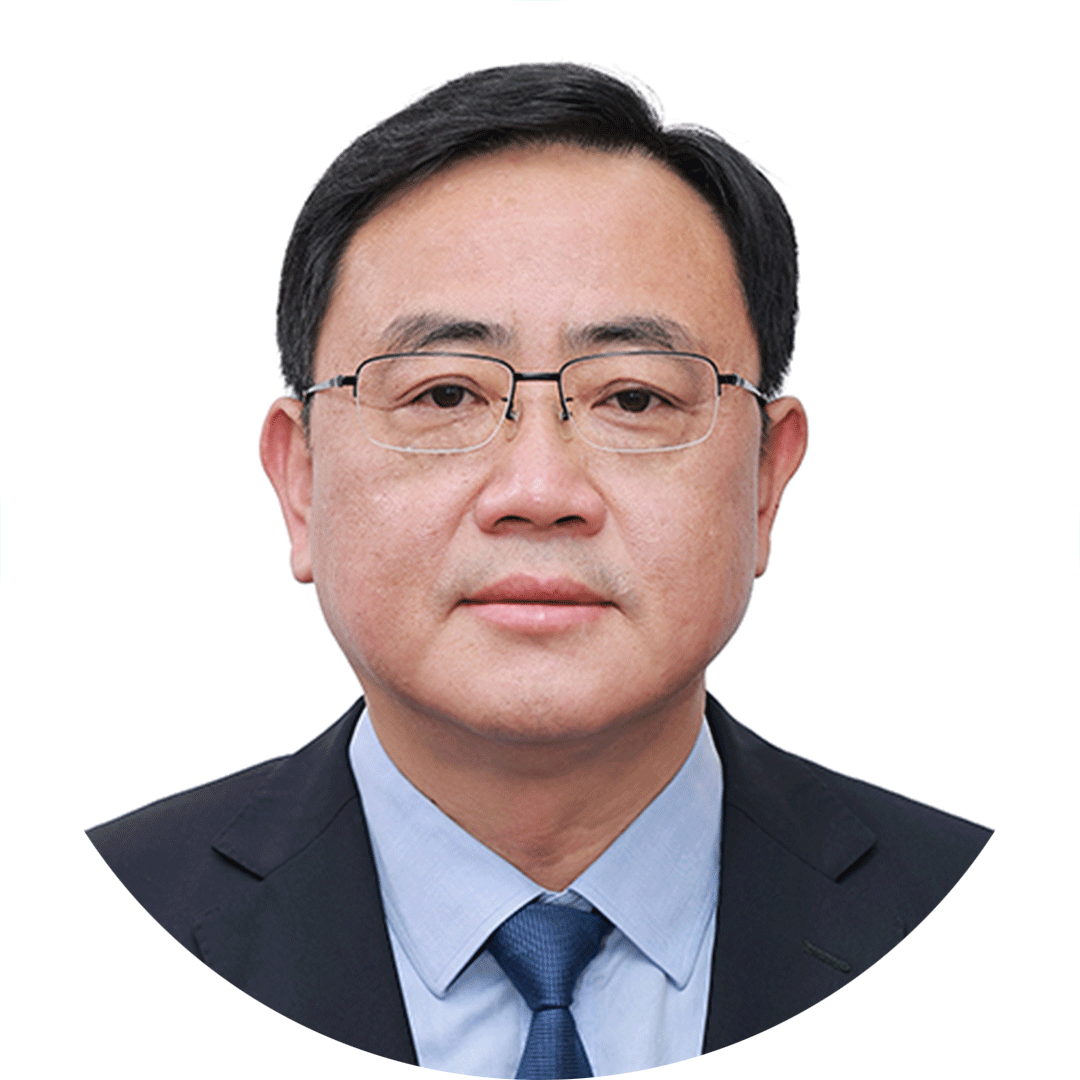
|
Huang Chunnian
Vice Mayor, Zhenjiang |
|---|
 |
Anna Reynolds
Lord Mayor of Hobart |
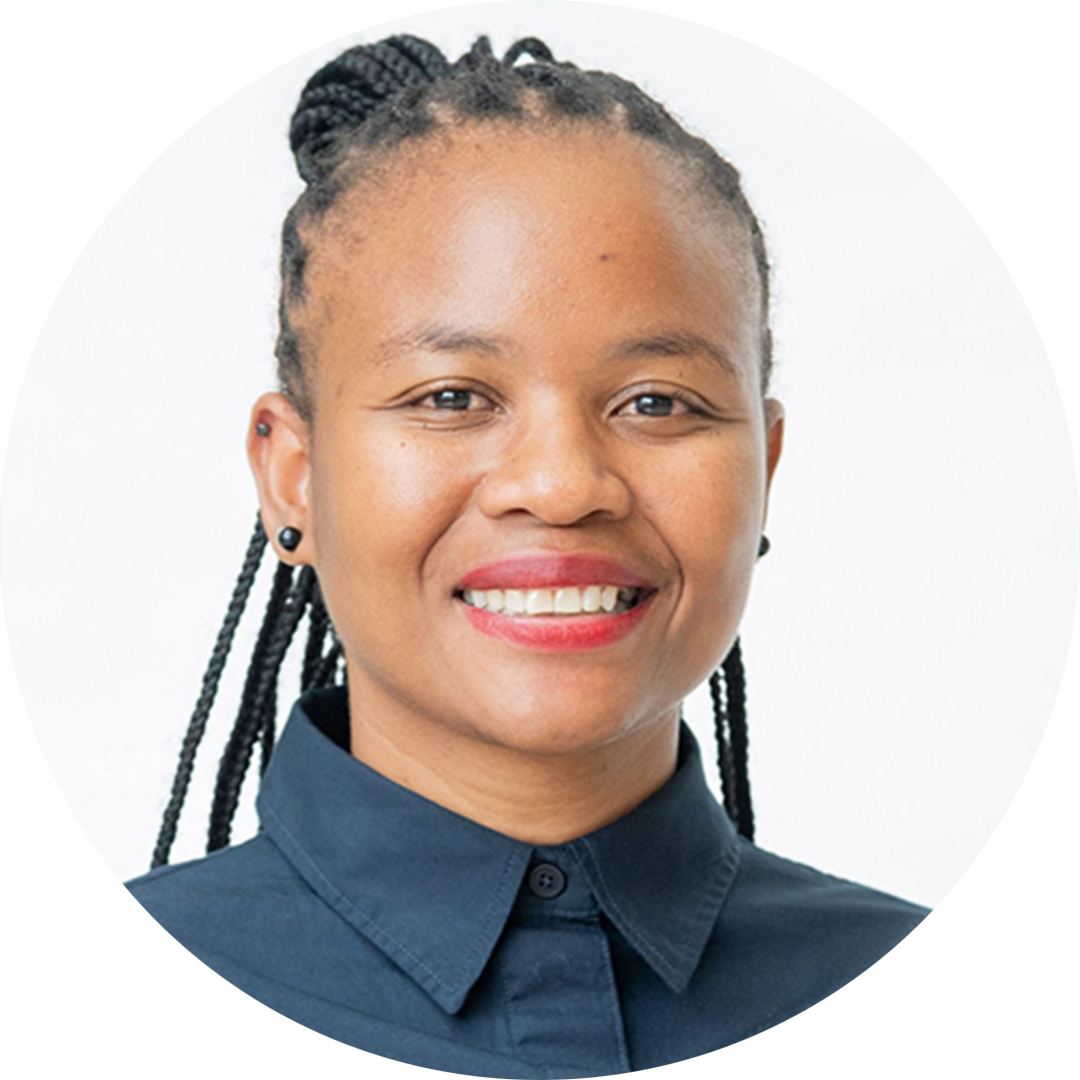
|
Nasiphi Moya
Executive Mayor, Tshwane |
|---|
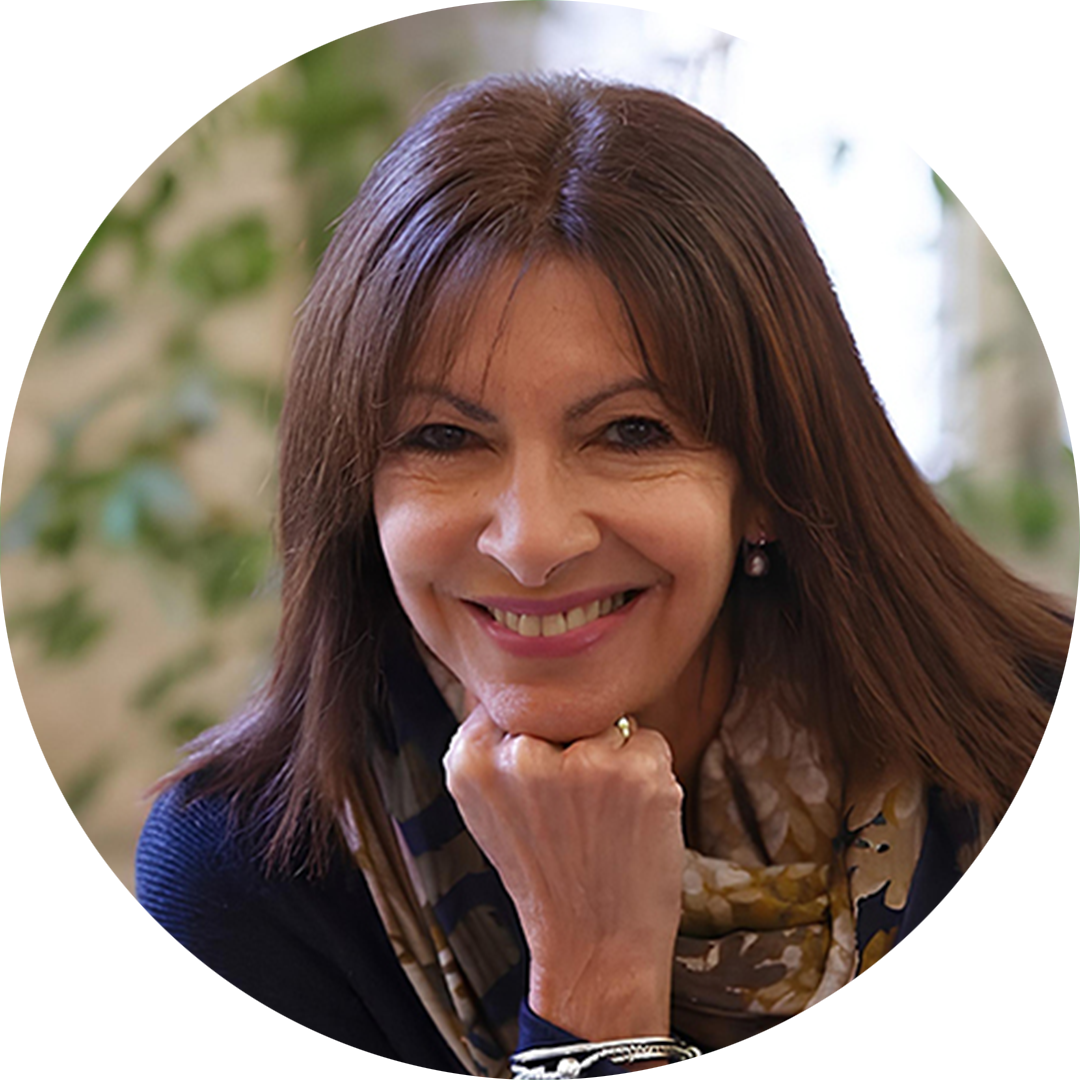
|
Anne Hidalgo
Global Ambassador, Global Covenant of Mayors and Former Mayor, Paris (2014-2026) |
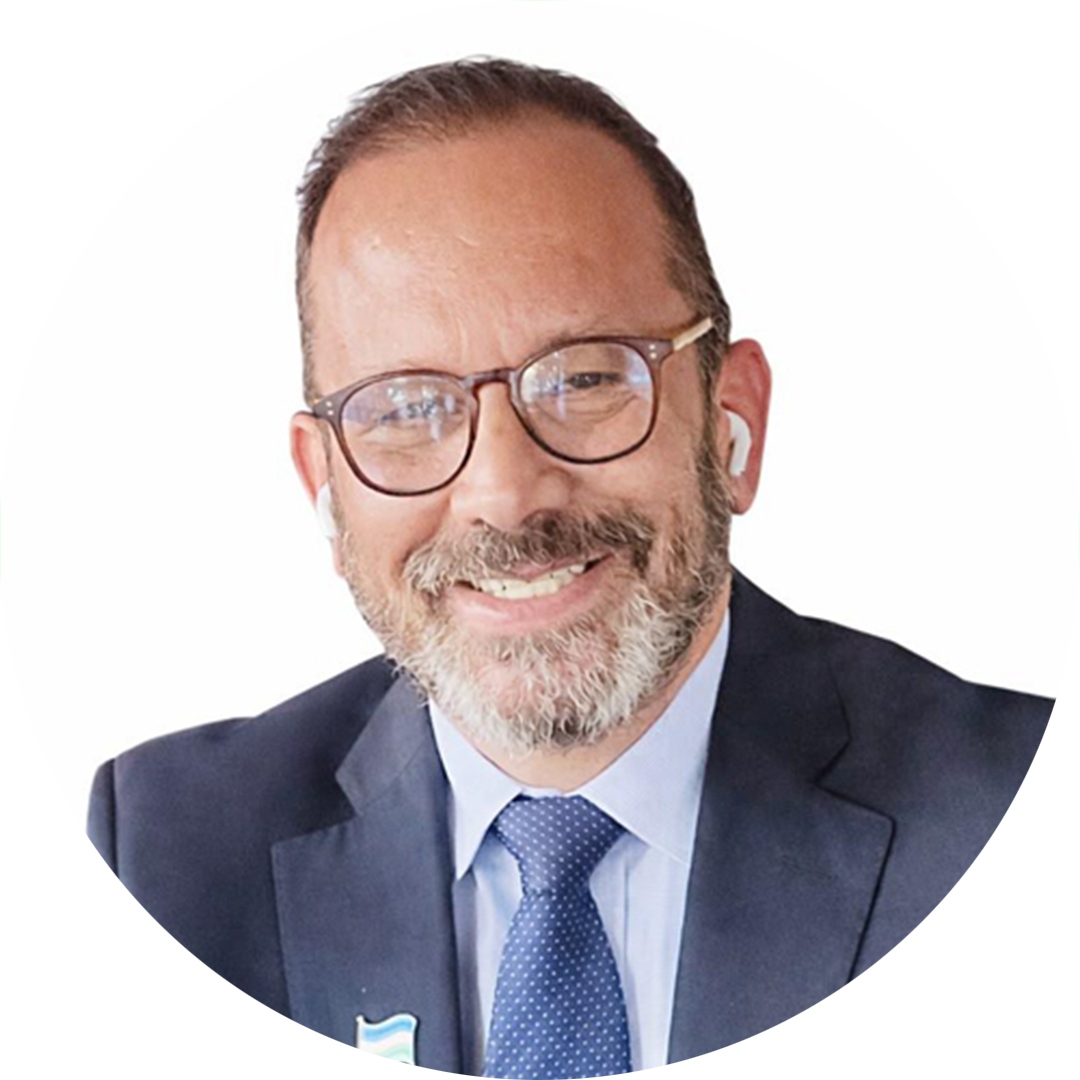 |
Mauricio Mira Pontón
Senior Sustainability Advisor to the City of Santiago de Cali |
|---|
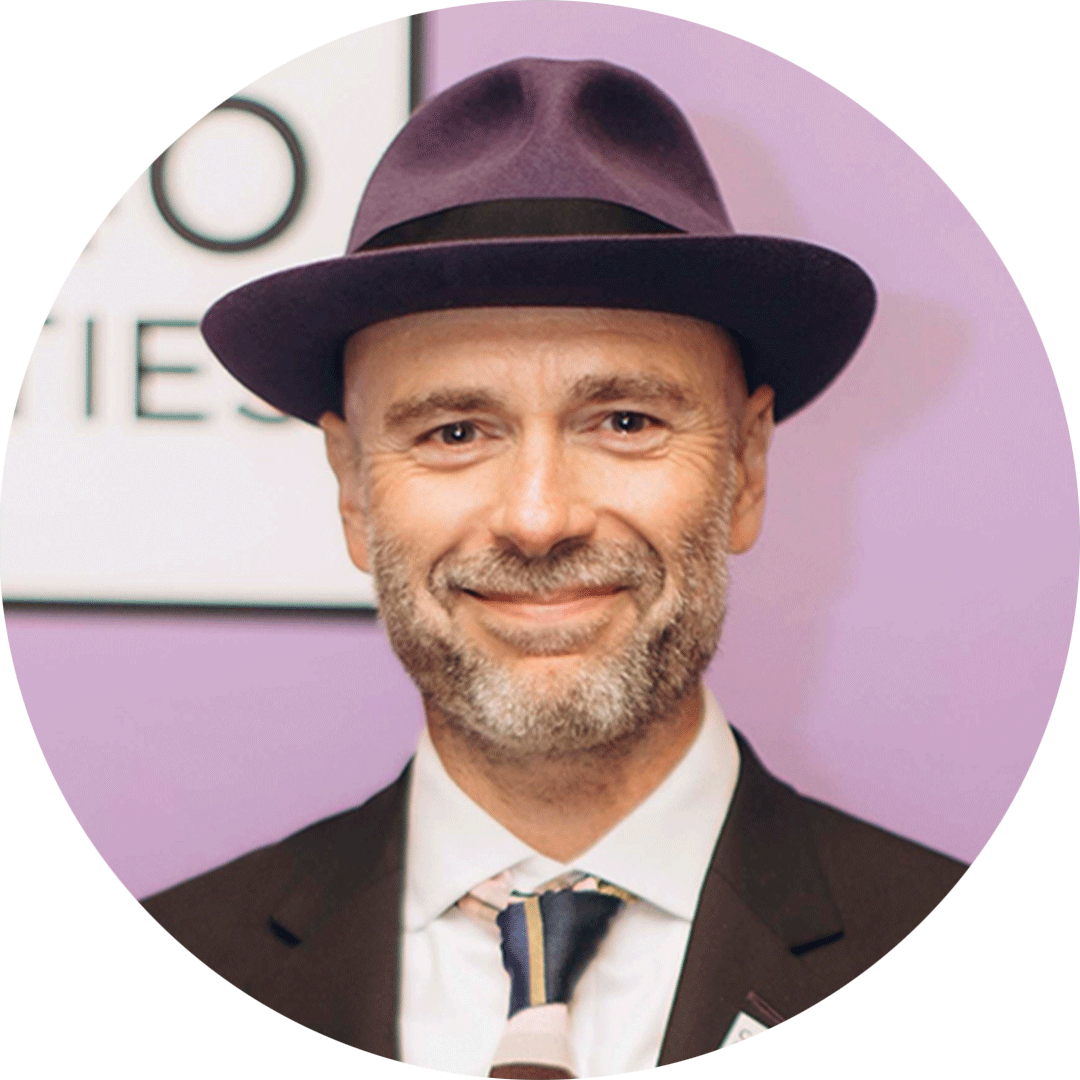 |
Mark Watts
Executive Director, C40 Cities |
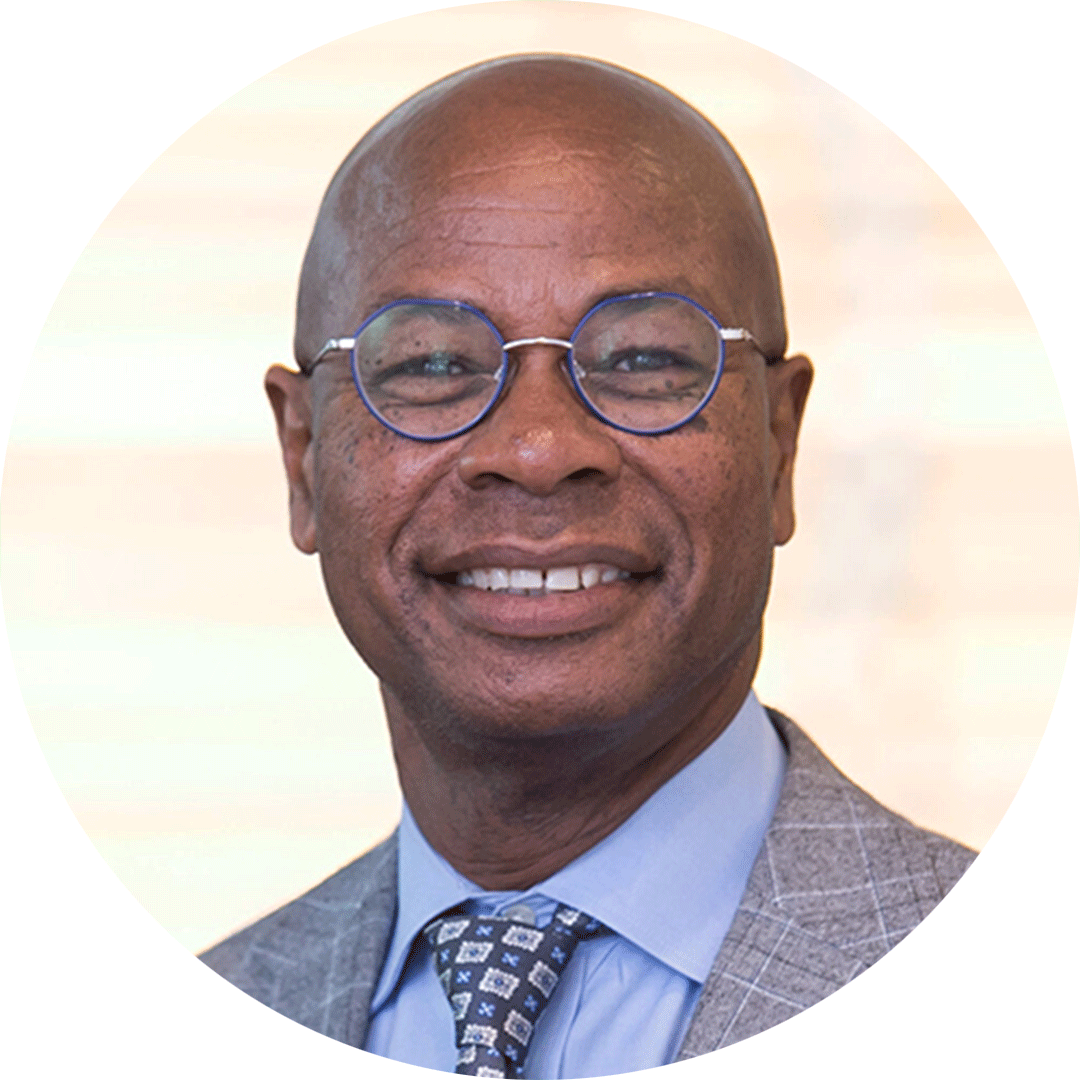 |
Clarence Anthony
Chief Executive Officer, National League of Cities |
|---|
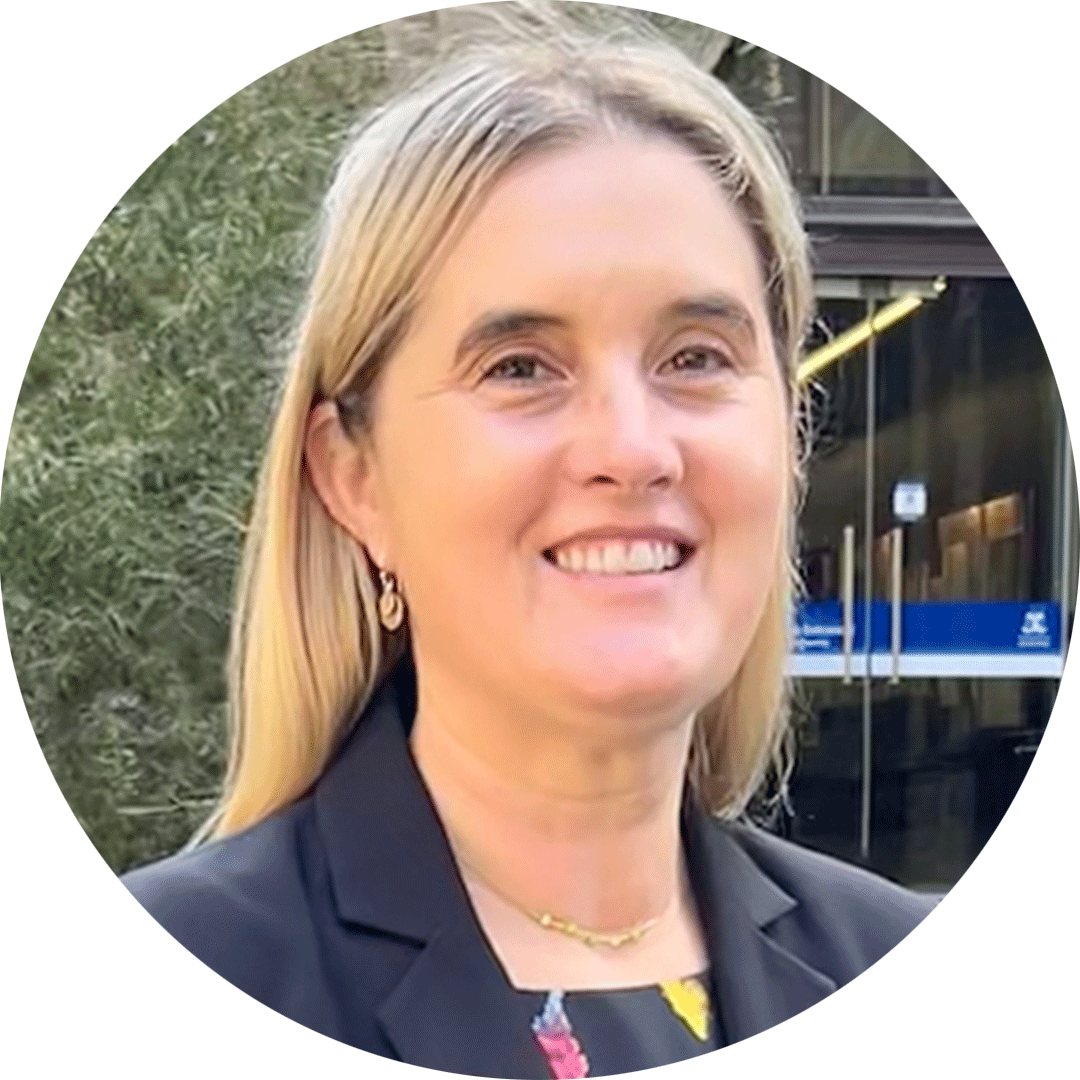 |
Cathy Oke OAM
Director, Melbourne Centre for Cities |
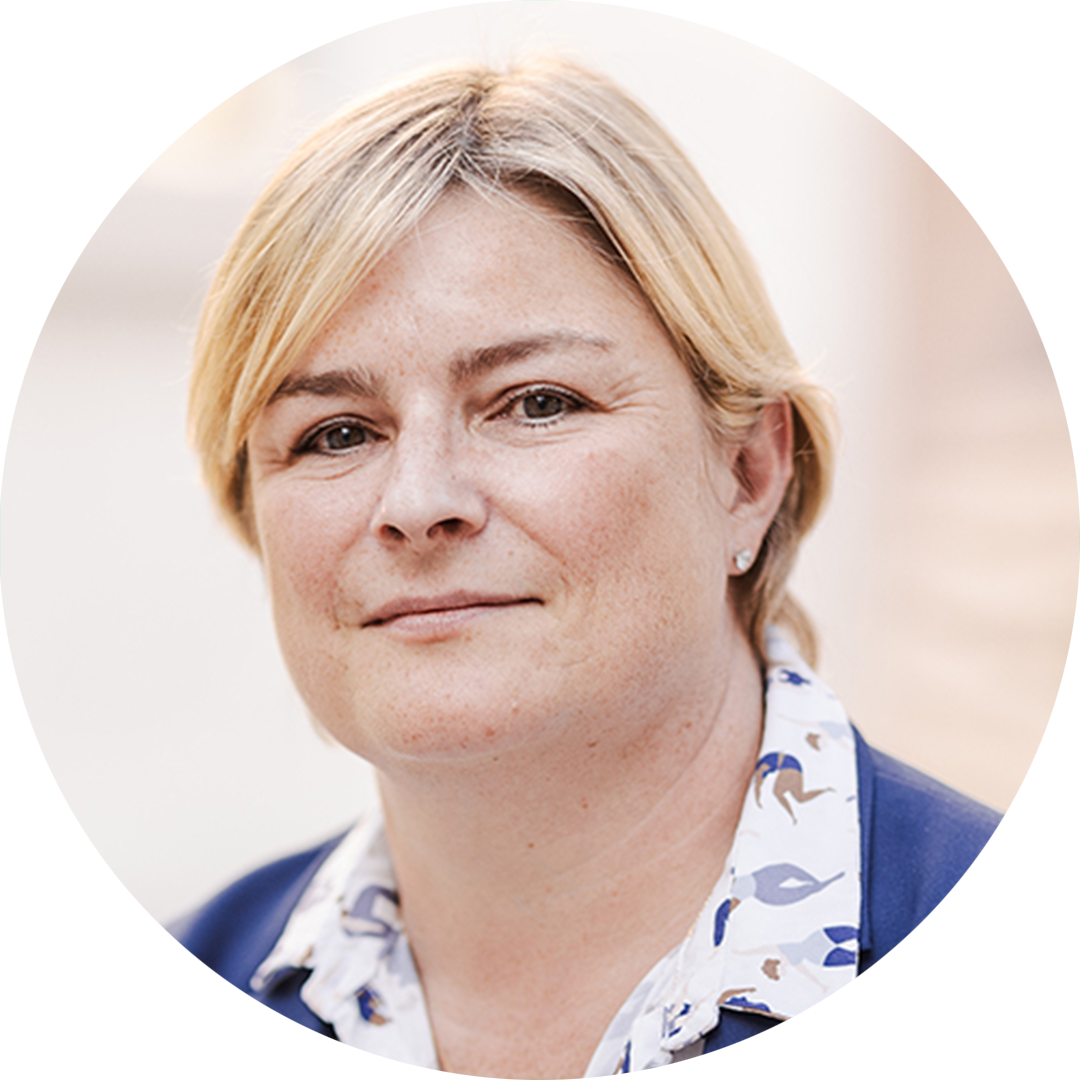 |
Géraldine Pflieger
Professor of Environmental Policy, University of Geneva |
|---|
|
Farah Naz
Global Climate Advisory Director, SJ Group |
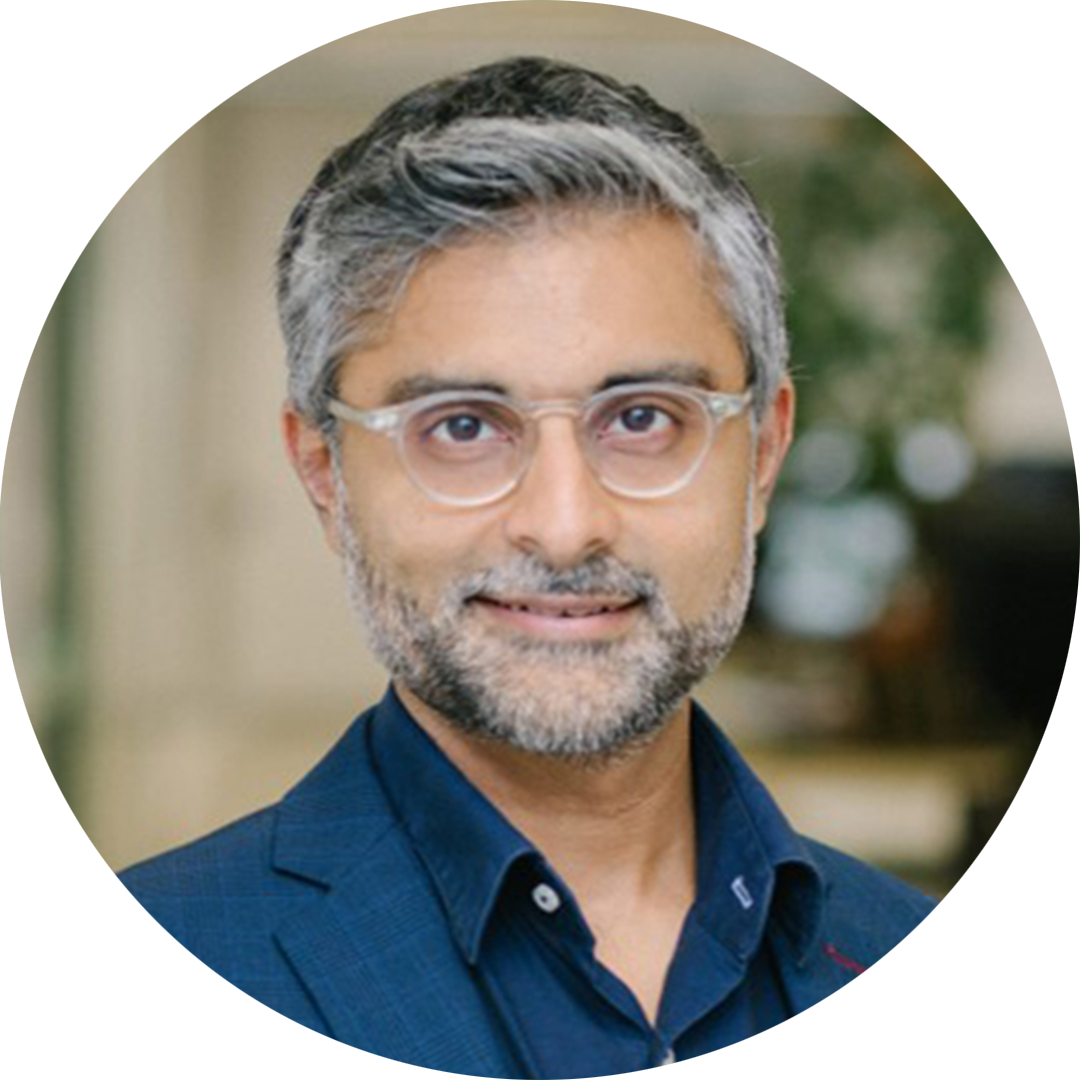 |
Chintan Raveshia
Director, APAC Cities Business Leader, Arup |
|---|
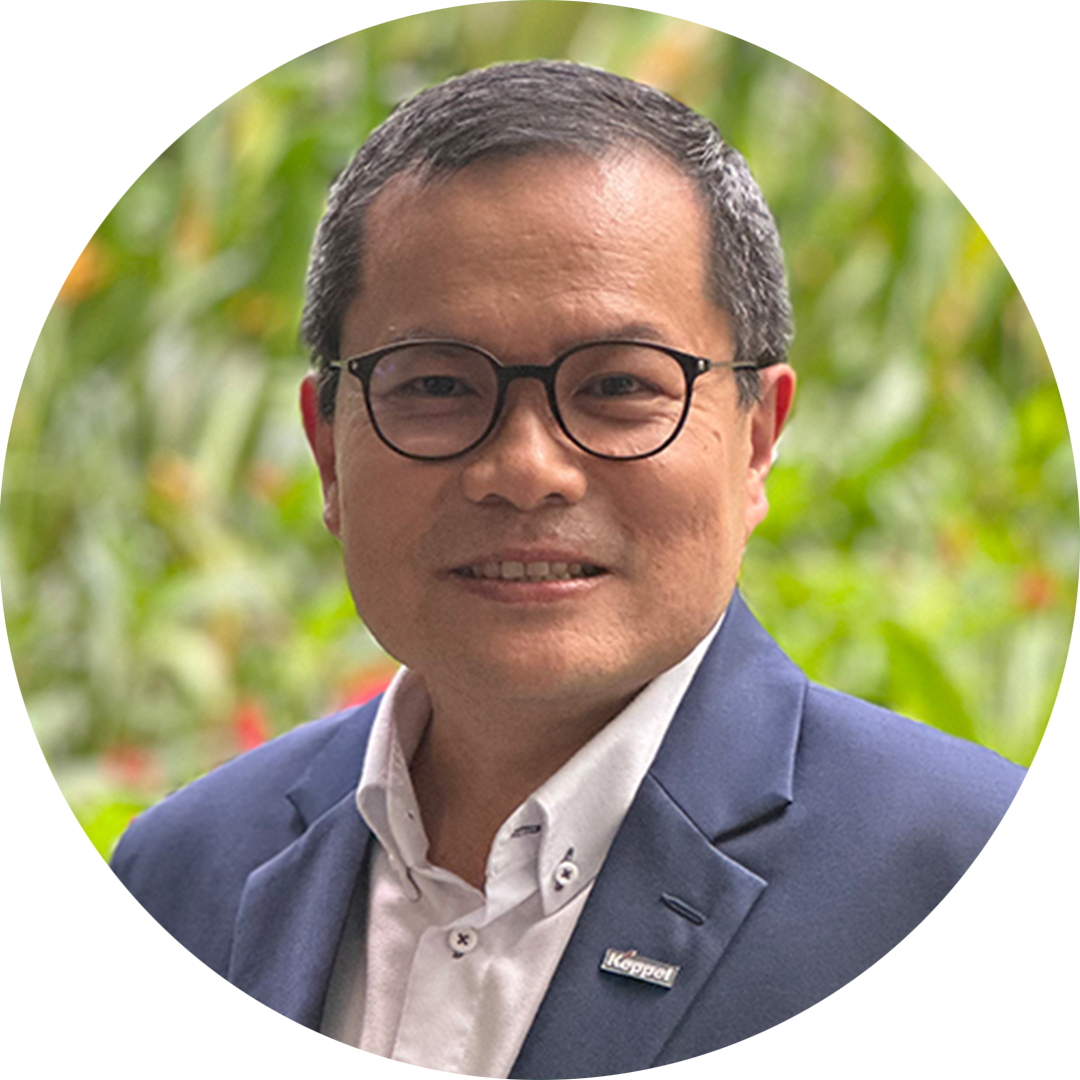 |
Ho Tong Yen
Chief Sustainability Officer; Managing Director & Head, Corporate Communications, Keppel |
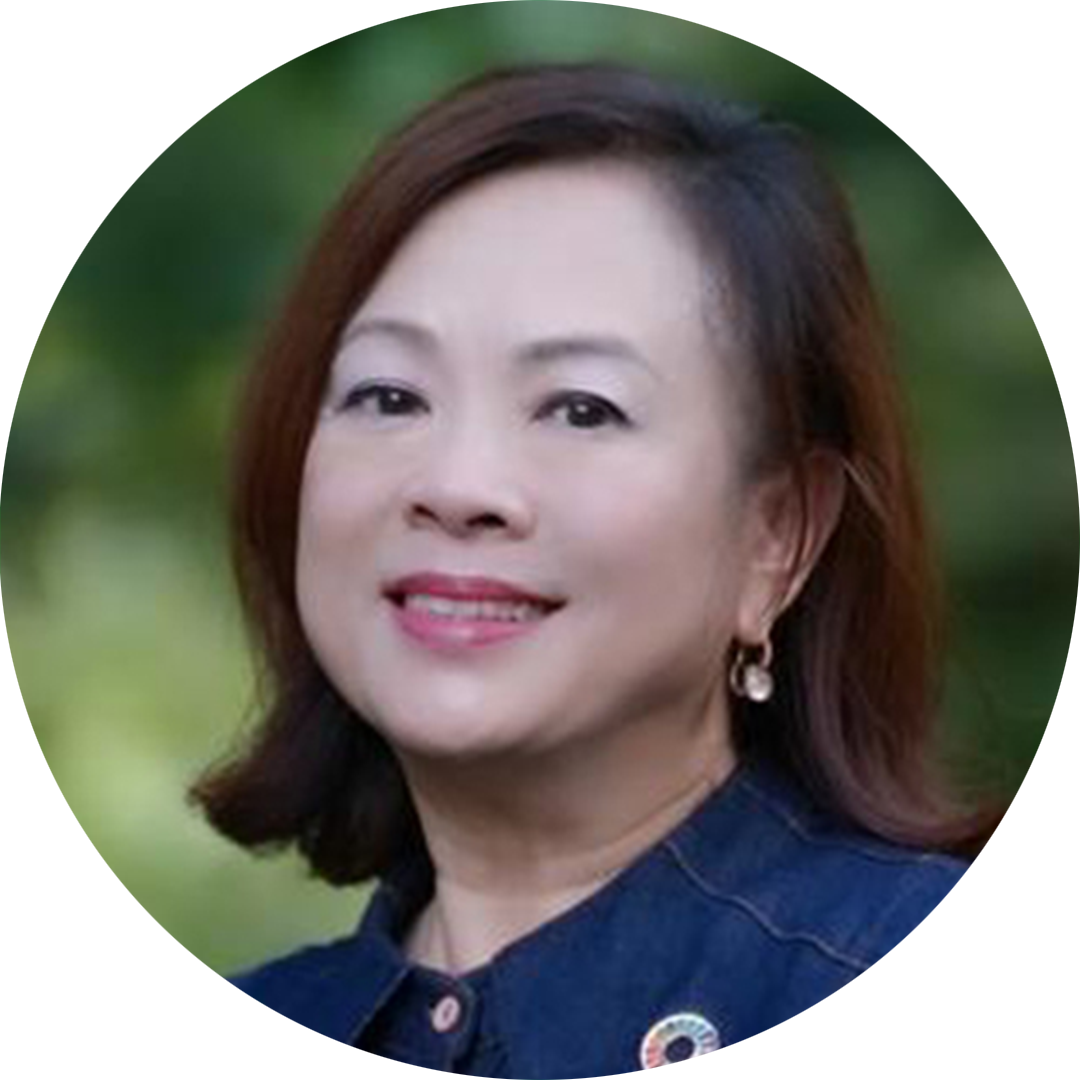
|
Esther An
Chief Sustainability Offer, City Developments Limited |
|---|
NParks Session – Restoring Nature for Healthy Cities
Led by National Parks Board, Singapore (NPARKS)
With the growth of urban populations and rising challenges in healthcare systems, designing for nature in cities is increasingly recognised as vital for public health. This panel examines the transformative potential of restoring nature in cities, emphasising the need to go beyond mere green space provision, to ecological restoration to create biodiverse landscapes and active programming such as social prescription, all to foster both ecological and human well-being.
Bringing together policymakers, urban planners and industry professionals, the discussion will explore evidence-based strategies for designing, programming, and managing urban nature. Insights from leading cities that have successfully aligned urban nature and public health objectives will offer valuable perspectives for participants seeking to build resilient and healthier communities.
Opening Keynote
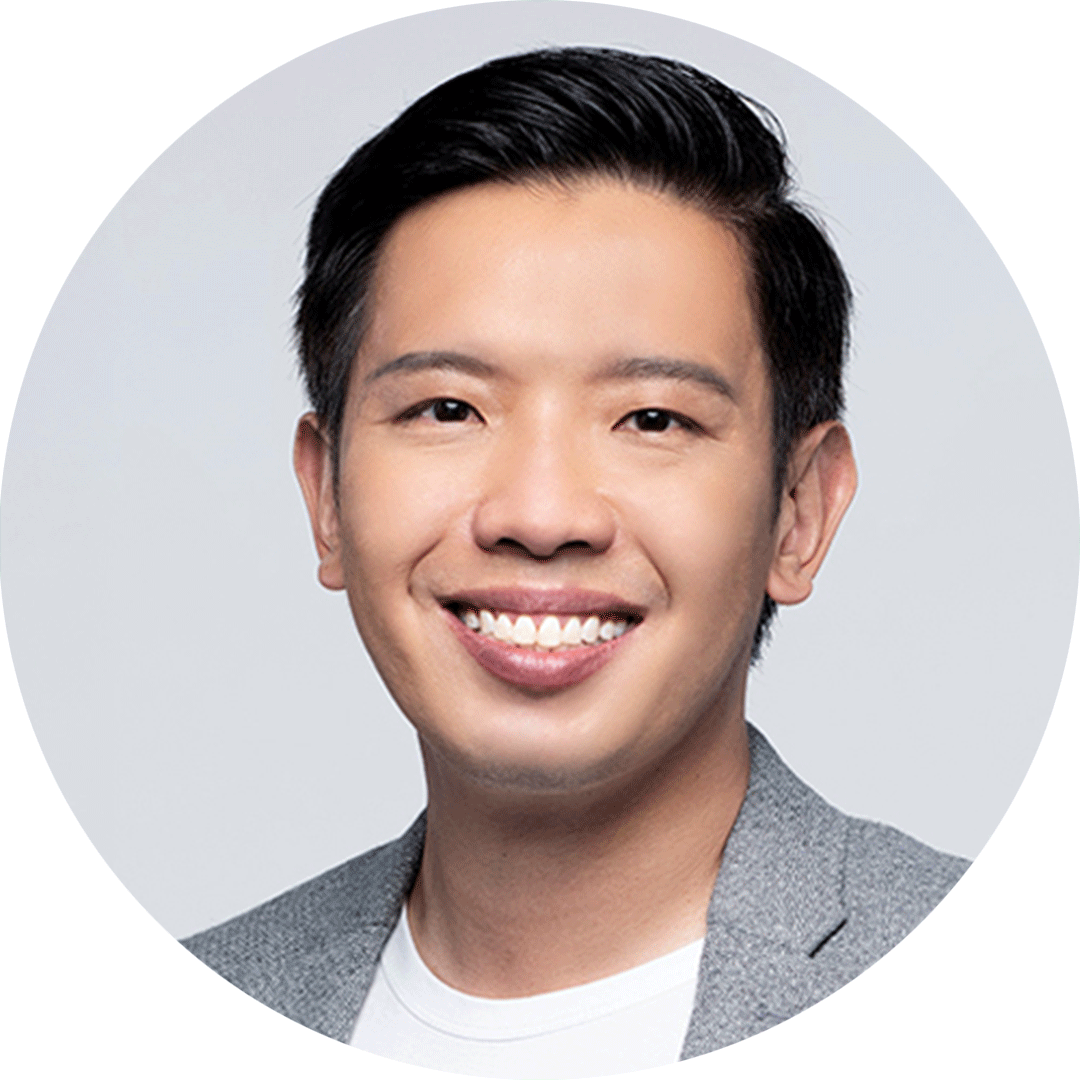
|
Alvin Tan
Minister of State, Ministry of Trade and Industry & Ministry of National Development, Singapore |
|---|
Moderator
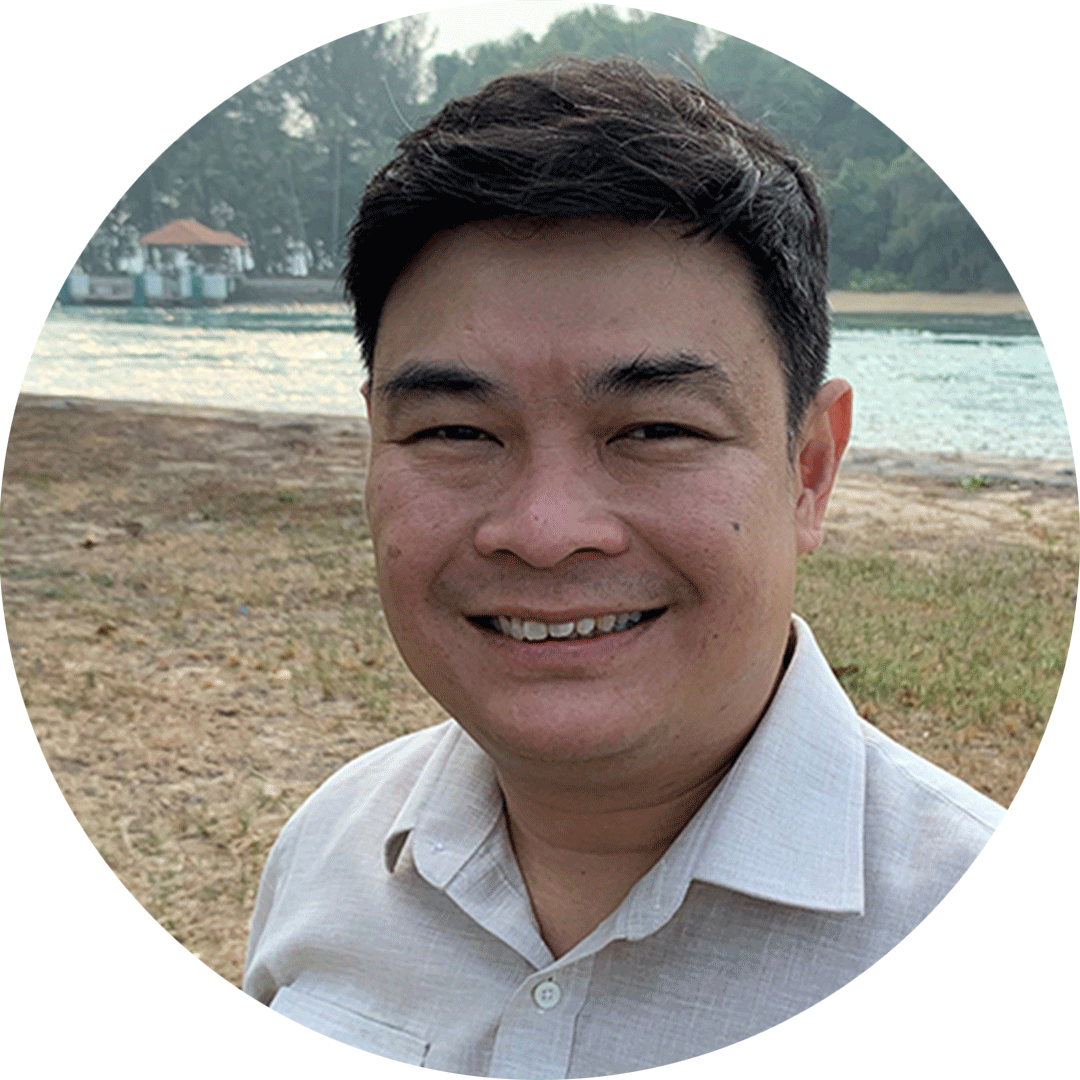
|
Lim Liang Jim
Group Director, Conservation Division of the National Parks Board, Singapore |
|---|
Panel Speaker
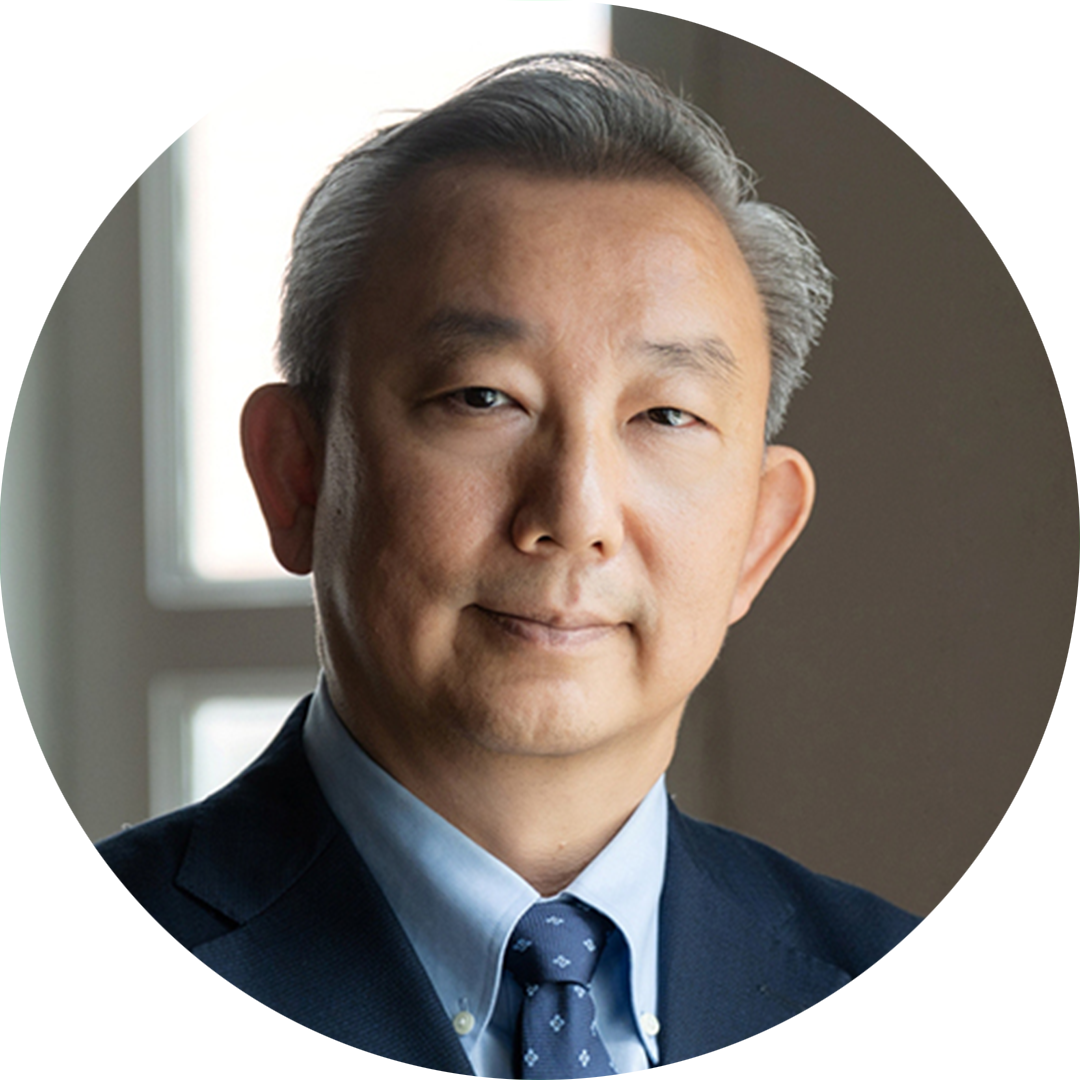
|
Tan Puay Yok
Chief Executive Officer, National Parks Board, Singapore |
|---|
|
|
Anna Reynolds
Lord Mayor of Hobart |
|---|
|
Mauricio Mira Pontón
Senior Sustainability Advisor to the City of Santiago de Cali |
|---|
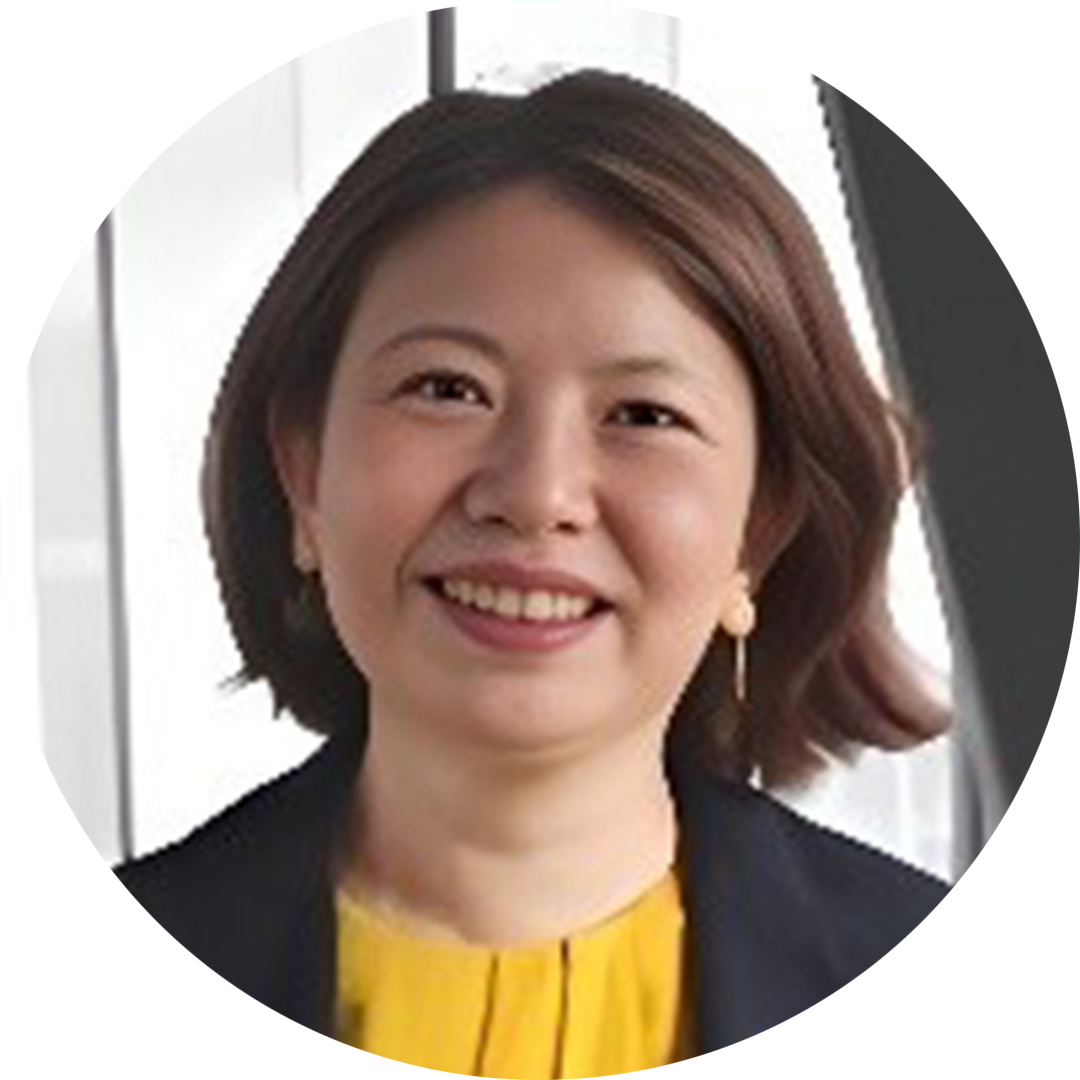
|
Loh Shu Ching
Consultant, Community Health, NHG Population Health |
|---|
C40 Cities Session – Where Housing Meets Climate: Solutions for Cities
Led by C40 Cities
Housing has become the top priority for city leaders worldwide. As urban populations grow, closing the housing affordability gap is an urgent political and economic challenge. At the same time, cities face an accelerating climate crisis. These challenges are deeply interconnected: rising housing costs push residents to urban fringes, fueling sprawl and car-dependent commutes. Meanwhile, buildings account for nearly 40% of global energy-related CO₂ emissions, with housing stock vulnerable to climate risks.
Housing delivery and climate action are often framed as competing priorities. This session shifts the narrative from “Climate vs. Housing” to “Climate + Housing,” highlighting policies and approaches that expand housing supply while advancing climate goals. From informed urban planning and brownfield redevelopment to adaptive reuse and regenerative, climate-resilient design, cities can reduce housing costs while promoting sustainability. The session also explores public-private collaborations to deliver scalable, impactful solutions.
Moderator
|
Hélène Chartier
Director of Urban Planning and Design, C40 |
|---|
Panel Speaker
|
Wayne Brown
Mayor, Auckland |
|---|
|
Eckart Würzner
Mayor of Heidelberg |
|---|
|
|
Christian Gaebler
Senator for Urban Development, Building and Housing, Berlin |
|---|

|
Vanessa Velasco Bernal
Secretary of Habitat, Bogotá |
|---|

|
Claus Mathisen
Co-Chief Executive Officer, Urban Partners |
|---|
 |
Johnny Wong
Deputy Chief Executive Officer (Building) and Chief Science & Technology Officer, Housing & Development Board, Singapore |
|---|
Fireside Chat
|
|
Shruti Narayan
Managing Director, Regions and Mayoral Engagement, C40 Cities |
|---|
|
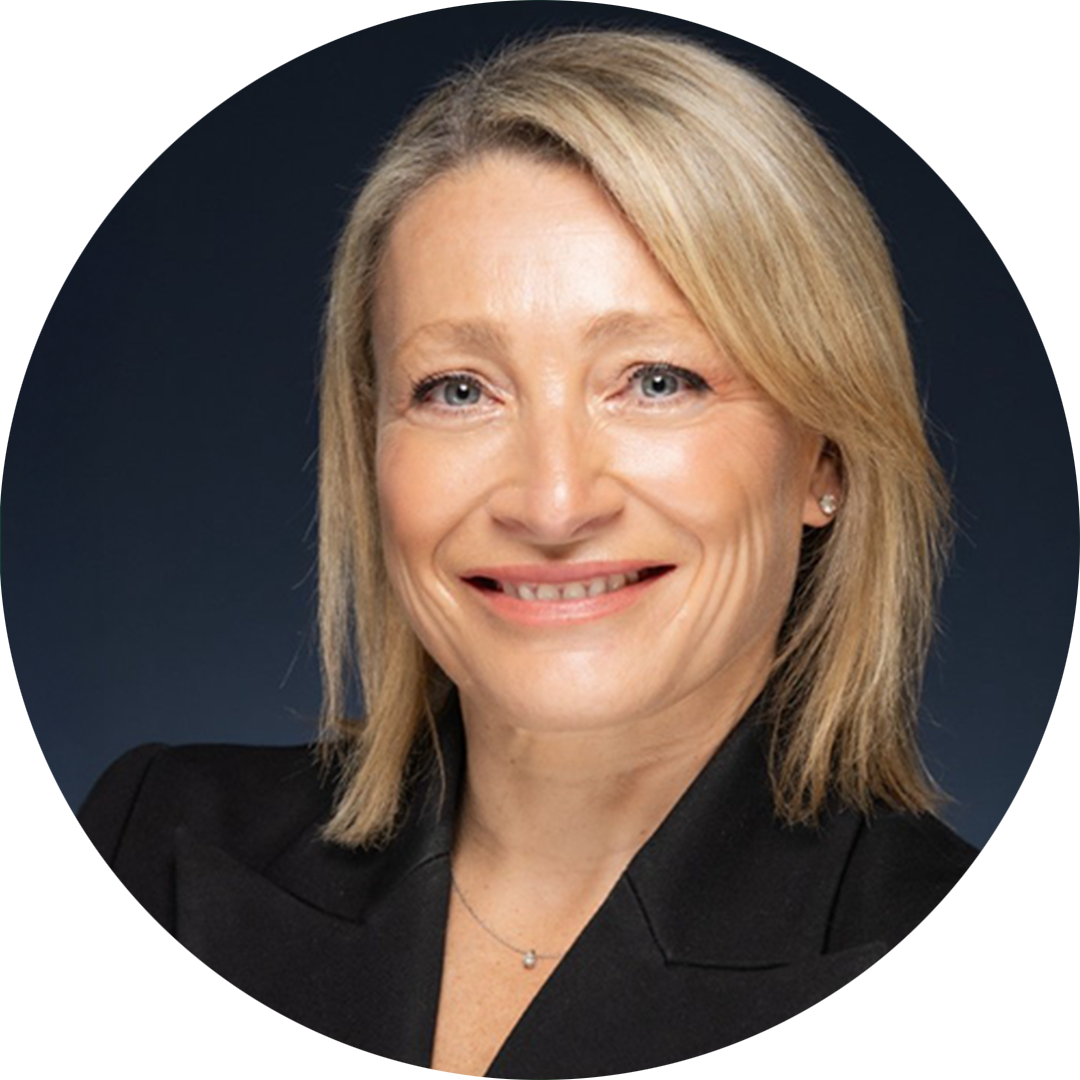
Eve Clark
Regional Managing Director, Head of Australia, Henning Larsen |
|---|
NUS-ISD & WOHA Masterclass – Cities by Design: Navigating Urban Development, Resilience and Regeneration in a Low-Carbon Future
Led by NUS Integrated Sustainable Design Programme and WOHA
Cities must continue to evolve — yet the built environment remains a major contributor to global carbon emissions. How can cities meet rising demand for housing and workspace while reducing the carbon burden of continued urban development?
This masterclass, led by Wong Mun Summ of WOHA Architects in collaboration with the National University of Singapore’s Integrated Sustainable Design (ISD) programme, explores how design can help cities navigate this challenge. The session examines resilience in the built environment through strategies such as adaptive reuse and strategic densification — approaches that extend the life and capacity of existing urban fabric while moderating the carbon impacts of demolition, rebuilding, and urban sprawl. Building on this, the discussion expands to regeneration at the scale of city and land-use planning, exploring how planning decisions shape the relationship between built and natural infrastructure in cities.
Drawing on research from ISD and WOHA’s internationally recognised projects, the masterclass invites participants to reconsider how cities can evolve while reducing carbon impact and strengthening ecological resilience.
Chief Facilitator
|
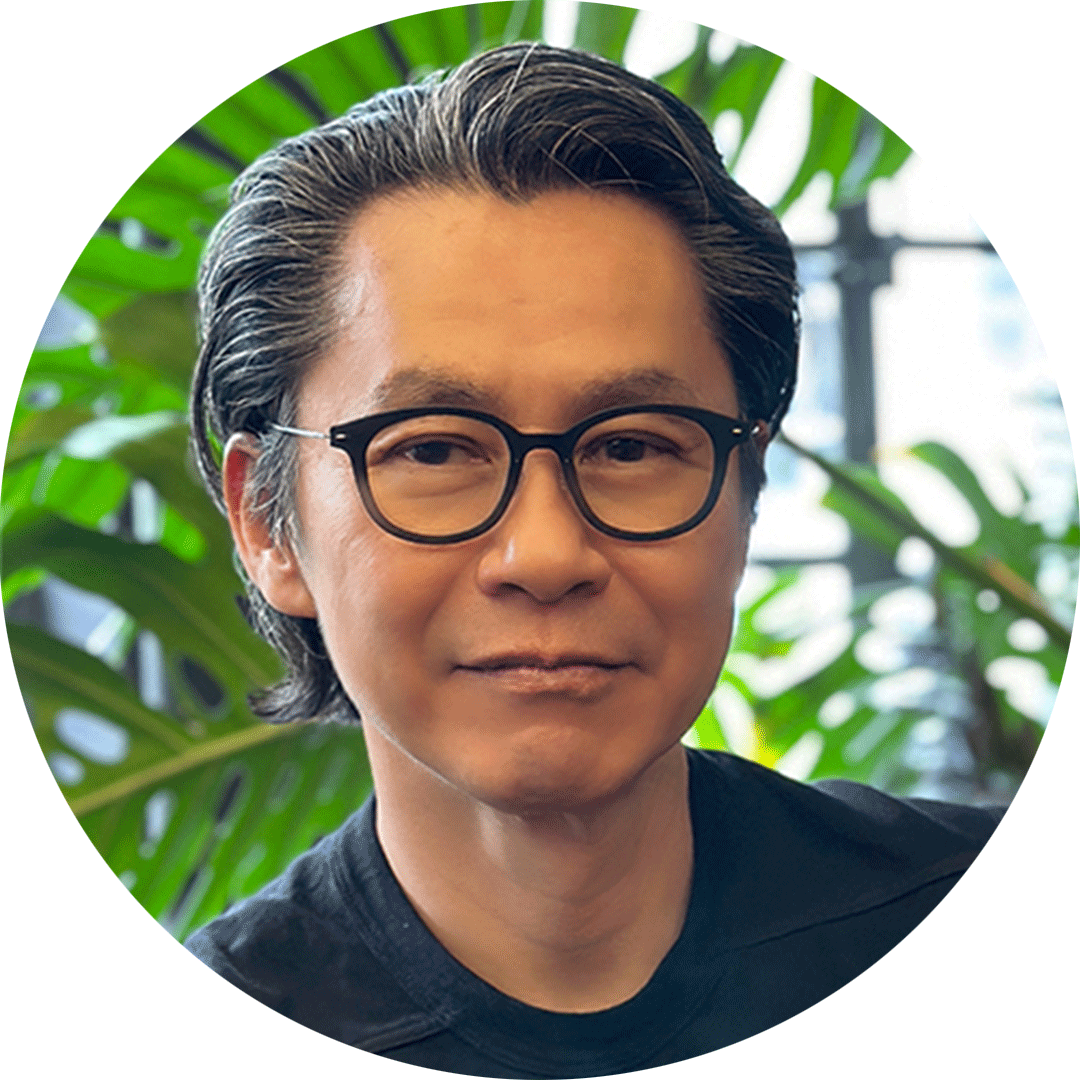
Wong Mun Summ
Founding Director, WOHA Architects Pte. Ltd. |
|---|
|
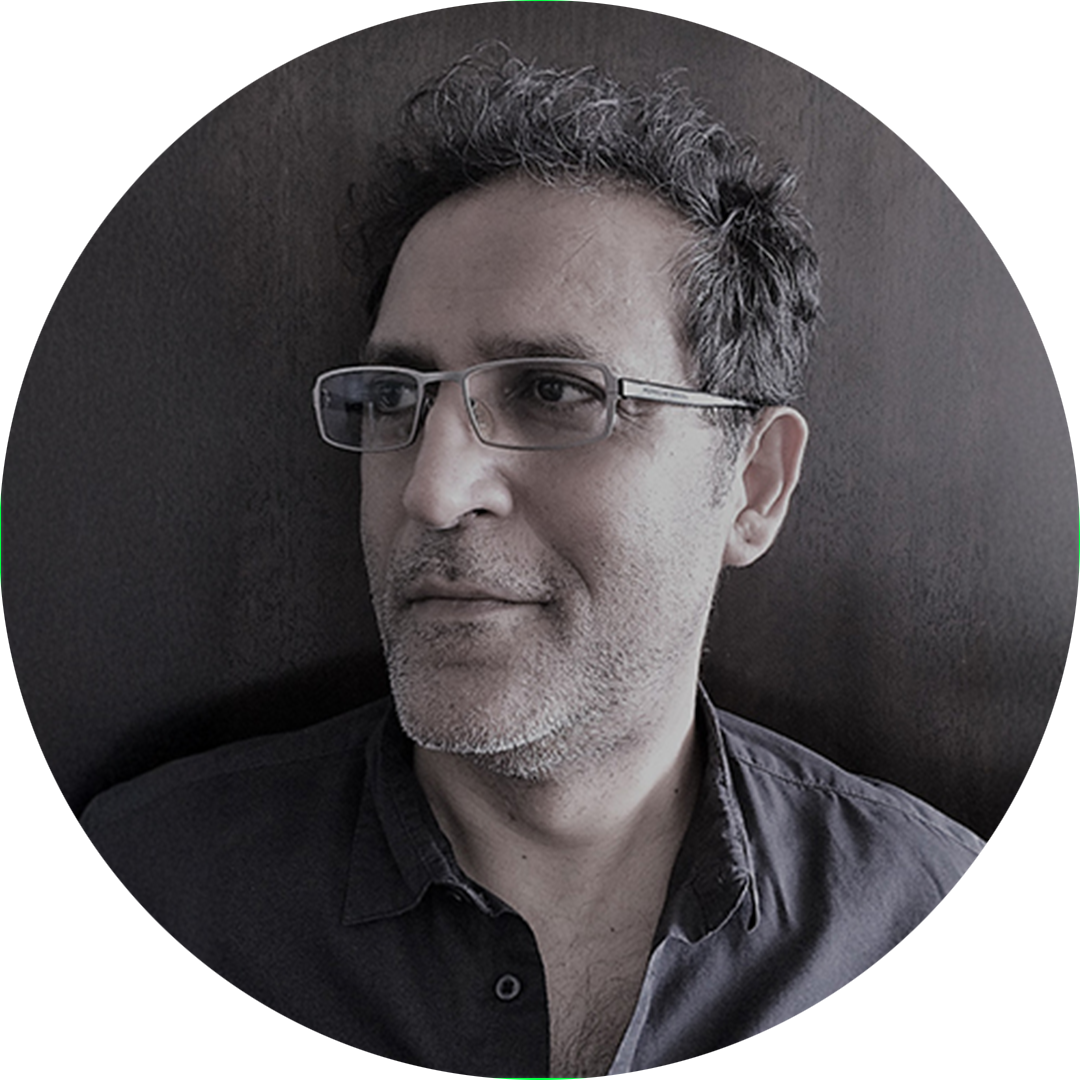
Nirmal Kishnani
Associate Professor, National University of Singapore |
|---|