A Singapore Government Agency Website


Secure websites use HTTPS
Look for a
lock () or https:// as an added precaution. Share sensitive
information only on official, secure websites.
World Cities Summit >
Programme >
Site Visits
Site Visits
The World Cities Summit 2026 offers a selection of in-person site visits for delegates to experience Singapore as a liveable, sustainable, and innovative city.
Registration for site visits is required. Each site visit will be chargeable at SGD $60 (before GST). Limited capacity is available for each site visit, subject to availability.
If you are registering for a WCS Conference Delegate Pass for the first time:
Delegates may select their preferred site visits and make payment when registering for a WCS Conference Delegate Pass. Register for your WCS Conference Delegate Pass here: https://go.gov.sg/wcs26reg-generaldelegate
Delegates may select their preferred site visits and make payment when registering for a WCS Conference Delegate Pass. Register for your WCS Conference Delegate Pass here: https://go.gov.sg/wcs26reg-generaldelegate
If you have already registered for a WCS Conference Delegate Pass:
Delegates may click the link “Manage Your Registration” in the Registration Confirmation email to modify their existing registration and sign-up and make payments for WCS Site Visits.
Delegates may click the link “Manage Your Registration” in the Registration Confirmation email to modify their existing registration and sign-up and make payments for WCS Site Visits.
Old Parliament & Victoria Theatre and Concert Hall – 14 June, Sunday
Led by the Arts House Group
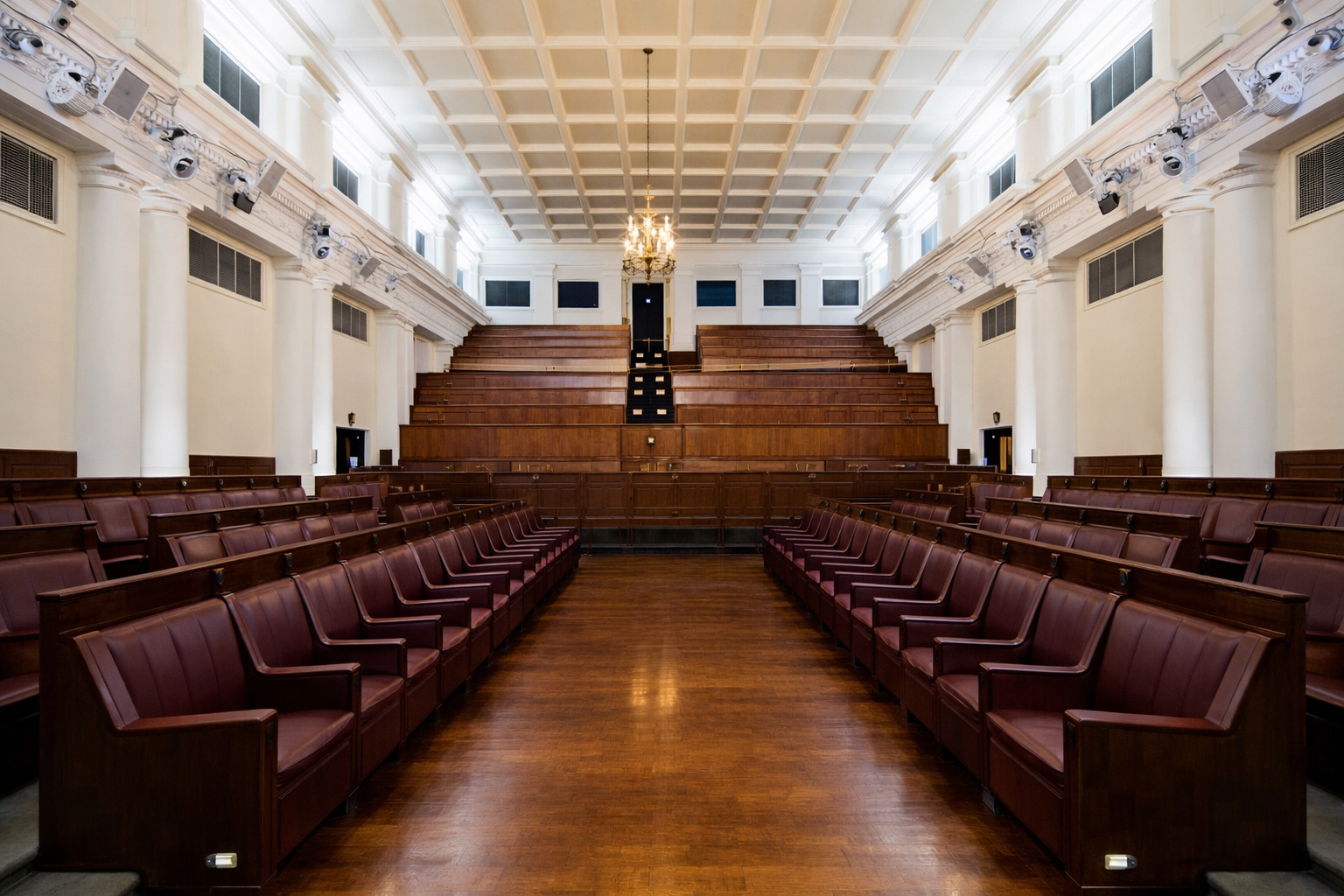 Old Parliament House |
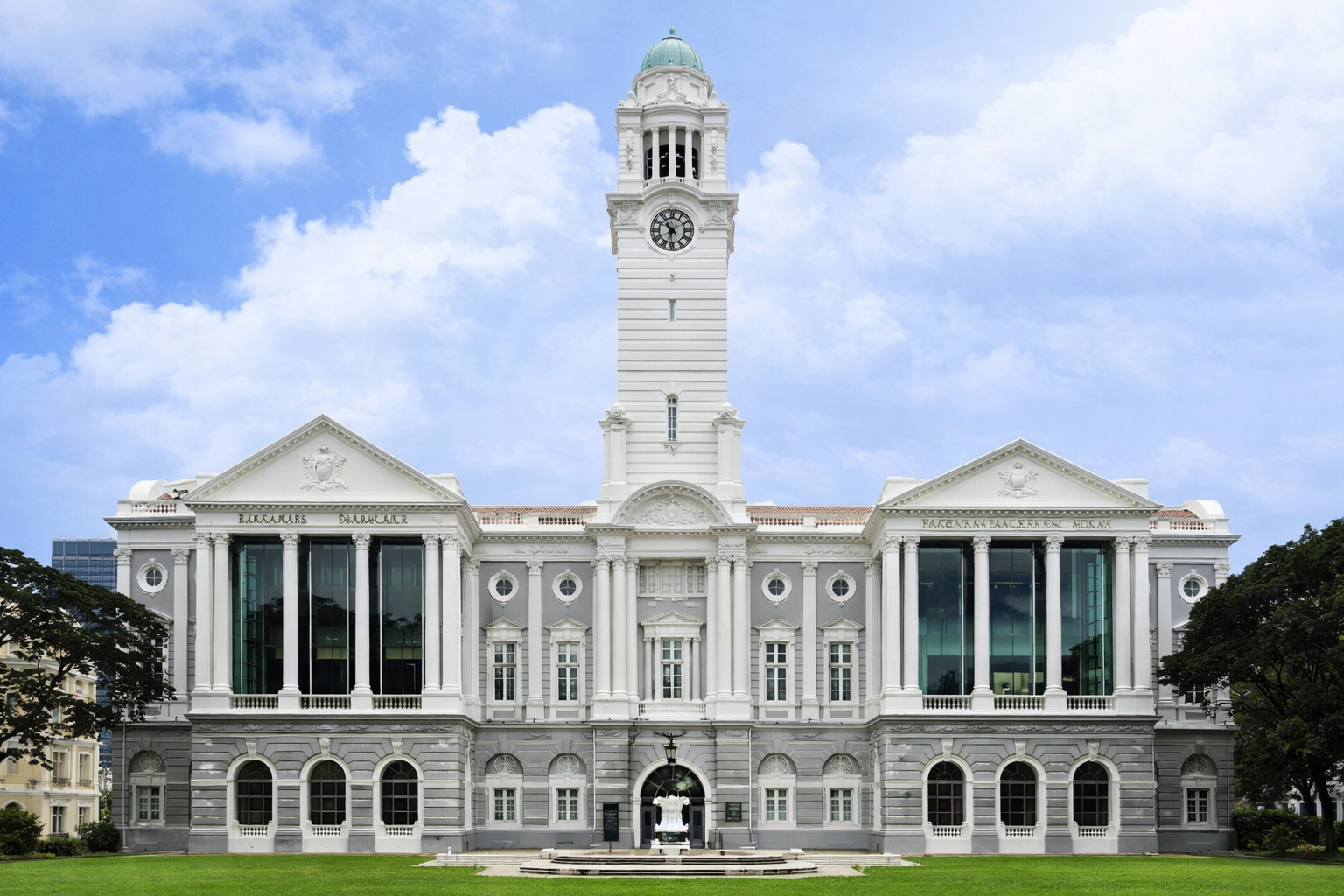 Victoria Theatre and Concert Hall |
Credit: Arts House Group
This exclusive historical tour offers an insightful look into Singapore’s journey from a colonial outpost to a global metropolis, centred on two of its most storied landmarks.
The Arts House at the Old Parliament: Step into Singapore’s oldest surviving government building. Originally built as a private mansion, it was converted to the Court House before serving as the nation’s first Parliament. You will visit the historic Chamber, where Singapore’s founding fathers debated the laws that shaped the modern city-state. However, as the city modernised and requirements for space evolved, a bold decision was to preserve the building’s architectural soul while completely redefining its purpose. In 2004, the site underwent a massive restoration to emerge as The Arts House @ The Old Parliament, a multidisciplinary creative hub.
Victoria Theatre and Victoria Concert Hall: A short walk away stands this iconic twin-building complex, instantly recognisable by its grand clock tower. Restored to its former glory in 2014, the venue serves as a representation of heritage conservation meeting modern acoustic excellence. The visit will include a glimpse into the renovated Victoria Theatre and a juxtaposition of classic features with modern inserts.
Discover how landmarks of traditional heritage become a vibrant cultural heart, bridging the gap between our historic roots and our creative future.
| Timing | Itinerary |
|---|---|
| 2.00pm | Gather at Suntec L3 Atrium |
| 2.15pm – 2.30pm | Travel to the Arts House at Old Parliament by bus |
| 2.30pm – 4.00pm |
|
| 4.00pm – 4.30pm | Return Suntec (End of programme) |
Additional Info:
- The tour will be conducted mainly indoors or in sheltered areas, across heritage venues and cultural spaces.
- Business casual attire is recommended. Given Singapore’s warm climate, we recommend wearing light, breathable clothing, and comfortable walking shoes. Please avoid singlets and slippers.
- Singapore's weather can be hot and humid with occasional showers, so do bring a water bottle and a small umbrella or poncho.
- Photography rules may vary across venues — please check with your guide before taking photos.
- Please keep noise levels low to avoid disrupting ongoing rehearsals at the venue.
PARKROYAL COLLECTION Marina Bay – 14 June, Sunday
Led by PARKROYAL COLLECTION Marina Bay, Singapore
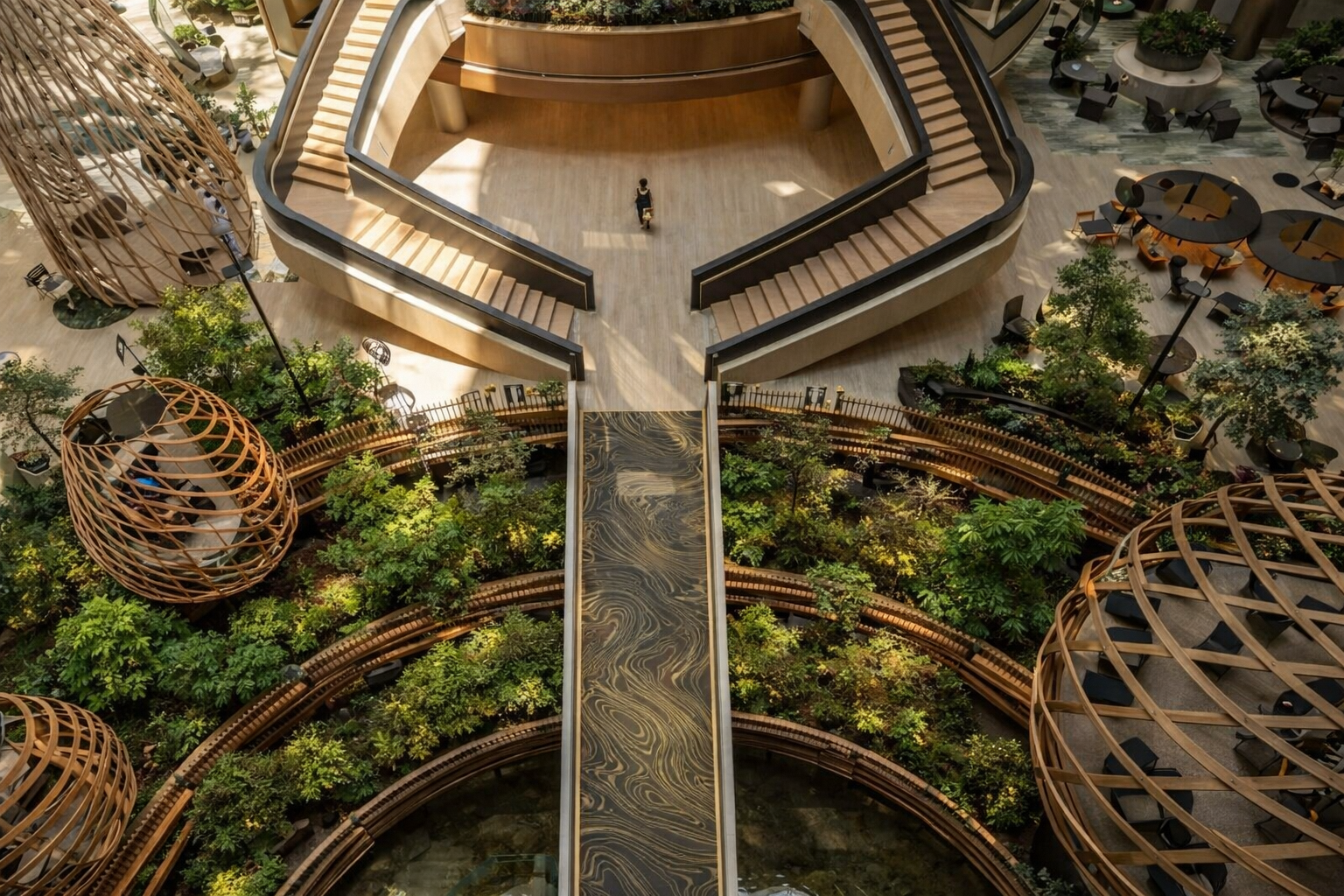
Credit: PARKROYAL COLLECTION Marina Bay, Singapore
PARKROYAL COLLECTION Marina Bay, Singapore provides a case study in embedding sustainability into luxury hospitality. Following its rejuvenation and rebranding, it has positioned itself as Singapore’s first Garden in a Hotel, integrating biophilic design and resource efficient practices. Recognised with certifications such as the Global Sustainable Tourism Council (GSTC), Singapore’s Building and Construction Authority (BCA) Green Mark Super Low Energy and Green Globe Industry Criteria, it demonstrates sustainable development in the hospitality sector.
Participants will witness innovations such as vertical greenery with auto irrigation systems, biophilic architecture that improves energy efficiency, and a rooftop Urban Farm producing fresh herbs and vegetables onsite to support food resiliency and reduce waste. Guestrooms feature smart technologies and eco friendly amenities, while rooftop solar panels contribute to renewable energy. Together, these initiatives illustrate practical strategies balancing functionality with environmental responsibility.
| Timing | Itinerary |
|---|---|
| 2.00pm | Gather at Suntec L3 Atrium |
| 2.15pm – 2.30pm | Walk to PARKROYAL COLLECTION Marina Bay, Singapore |
| 2.30pm – 4.00pm |
|
| 4.00pm – 4.30pm | Walk back to Suntec (End of programme) |
Additional Info:
- The walking-tour will be conducted mainly indoors or in sheltered areas.
- Business casual attire is recommended. Given Singapore’s warm climate, we recommend wearing light, breathable clothing, and comfortable walking shoes. Please avoid singlets and slippers.
- Singapore's weather can be hot and humid with occasional showers, so do bring a water bottle and a small umbrella or poncho.
- Photography rules may vary across venues — please check with your guide before taking photos.
- In the event of thundery showers, to ensure the safety for all, some portions of the site visit may not be accessible, and the visit may be shortened.
Singapore City Gallery – 14 June, Sunday
Led by Urban Redevelopment Authority, Singapore
This site visit is related to the Future Cities Track, URA Session – Urban Leaders Roundtable: Shaping Liveable Futures through Policy and Design.
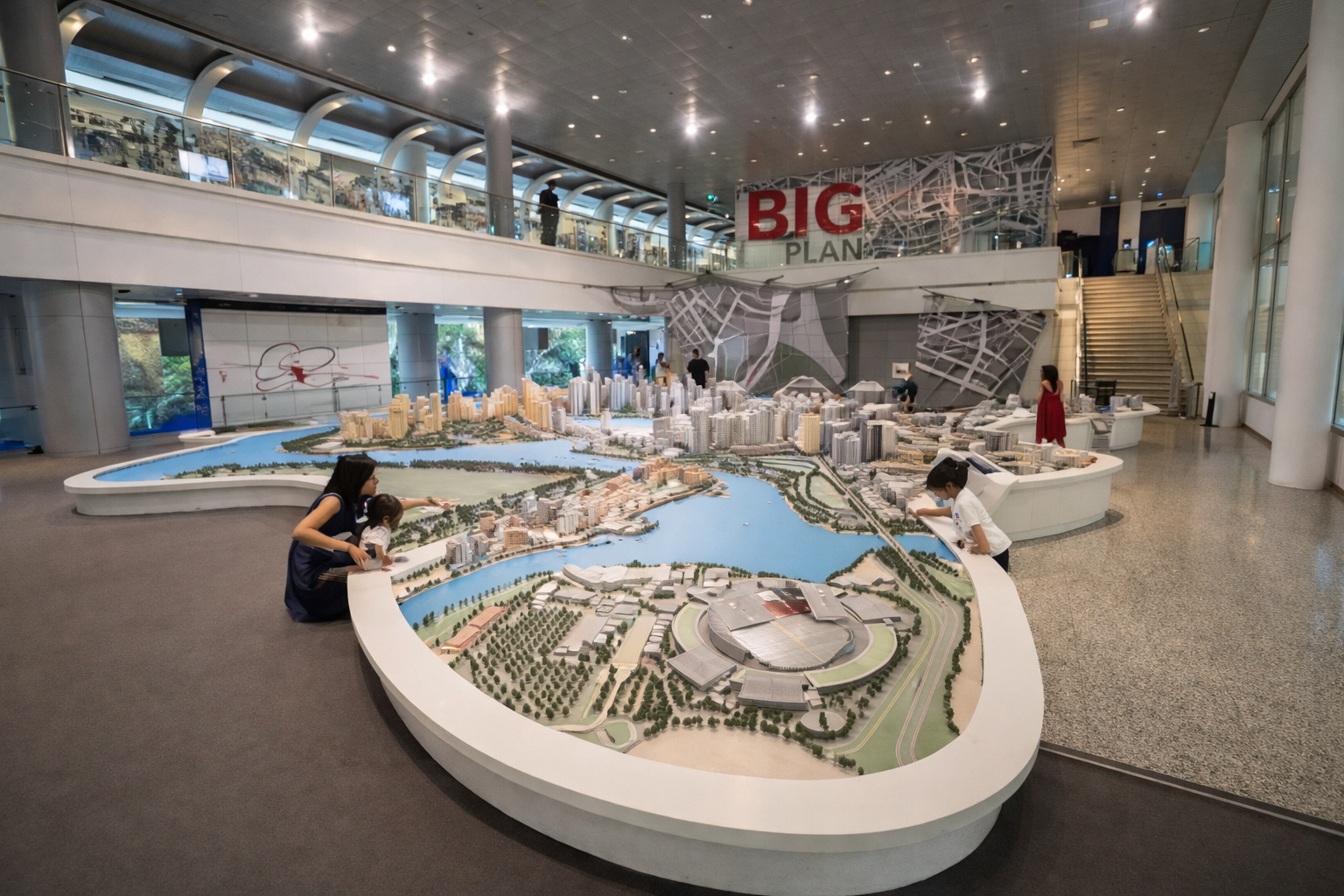
Credit: Urban Redevelopment Authority
Few places in the world have managed to transform themselves from a humble trading port into a modern metropolis within just six decades.
Singapore's journey has been accompanied by its remarkable physical transformation, with its striking urban landscape, where skyscrapers and distinctive landmarks shape the city’s skyline.
The Singapore City Gallery offers a window into this transformation, documenting the nation’s planning challenges and achievements across more than 10 thematic areas. Spanning three floors, its 50-plus audiovisual and interactive exhibits reveal how thoughtful urban planning has guided Singapore’s evolution into the city we see today.
| Timing | Itinerary |
|---|---|
| 2.00pm | Gather at Suntec L3 Atrium |
| 2.15pm – 2.35pm | Travel to The URA Centre by bus |
| 2.35pm – 4.05pm | Tour at the Singapore City Gallery |
| 4.05pm – 4.30pm | Return to Suntec by bus (End of programme) |
Additional Info:
- The tour will be conducted mainly indoors in an air-conditioned venue.
- Business casual attire is recommended. Given Singapore’s warm climate, we recommend wearing light, breathable clothing, and comfortable walking shoes. Please avoid singlets and slippers.
- Singapore's weather can be hot and humid with occasional showers, so do bring a water bottle and a small umbrella or poncho.
- Photography rules may vary across venues — please check with your guide before taking photos.
Punggol Digital District – 15 June, Monday
Led by JTC, Singapore
This site visit is related to the Smart Cities Track, JTC Session – The Future of Industrial Estates.
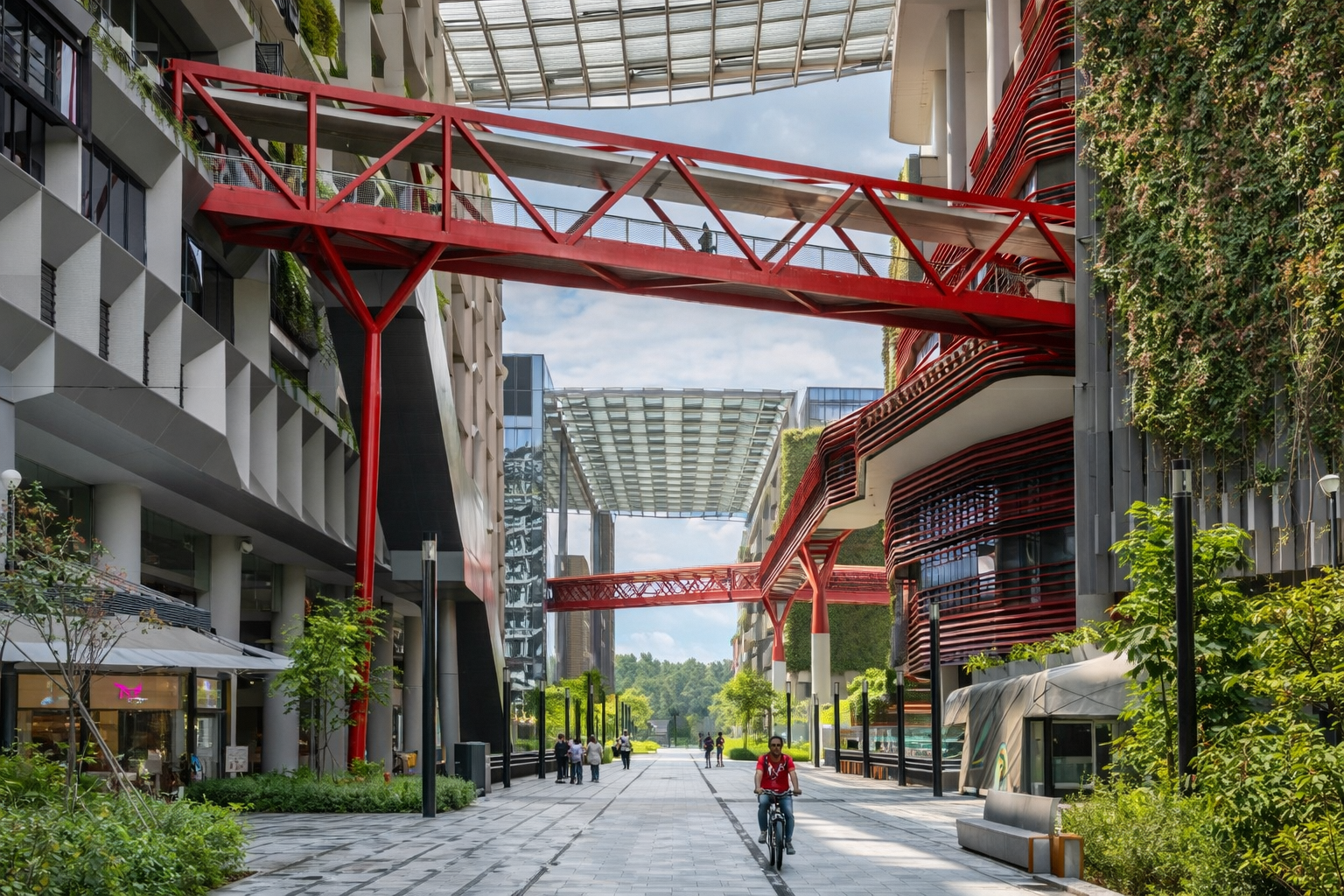
Credit: JTC Corporation
Punggol Digital District (PDD) is Singapore’s first district to seamlessly integrate a vibrant digital and business ecosystem with a university campus, nurturing the next generation of the digital economy. Spanning over 50 hectares, it is home to the Singapore Institute of Technology (SIT), business parks, a hotel, and dynamic community and innovation spaces. PDD brings together companies specializing in digital technology, smart logistics, fintech, and innovation-driven services, fostering meaningful collaboration between industry, academia, and government.
As a strategic national project, Punggol Digital District serves as a flagship showcase for Singapore’s Smart Nation initiatives. It is thoughtfully designed to create an immersive experiential environment and a vibrant lifestyle that appeals to the creative, young, and digitally savvy population. At the district level, companies can test-bed cutting-edge smart city technologies, including reference architectures for smart districts, 5G connectivity, smart logistics solutions, and more.
What truly sets PDD apart is its role as a living lab for innovation and partnership. With its Business Park precincts and curated facilities for start-ups and established enterprises alike, the district exemplifies Singapore’s bold vision for a smart, connected, and future-ready urban ecosystem that inspires collaboration and drives sustainable growth.
| Timing | Itinerary |
|---|---|
| 2.00pm | Gather at Suntec L3 Atrium |
| 2.10pm – 2.40pm | Travel to Punggol Digital District by bus |
| 2.40pm – 5.00pm | Tour at Punggol Digital District |
| 5.00pm – 5.30pm | Return to Suntec by bus (End of programme) |
Additional Info:
- The tour will be conducted mainly indoors or in sheltered areas, across facilities and innovation spaces.
- Business casual attire is recommended. Given Singapore’s warm climate, we recommend wearing light, breathable clothing, and comfortable walking shoes. Please avoid singlets and slippers.
- Singapore's weather can be hot and humid with occasional showers, so do bring a water bottle and a small umbrella or poncho.
- Photography rules may vary across venues — please check with your guide before taking photos.
- Please keep noise levels low to avoid disrupting ongoing research activities at the venue.
Temasek Shophouse – 15 June, Monday
Led by Singapore Land Authority
This site visit is related to the Cities for People Track, SLA Session – Rejuvenating and Activating Heritage State Properties for Vibrant Communities.
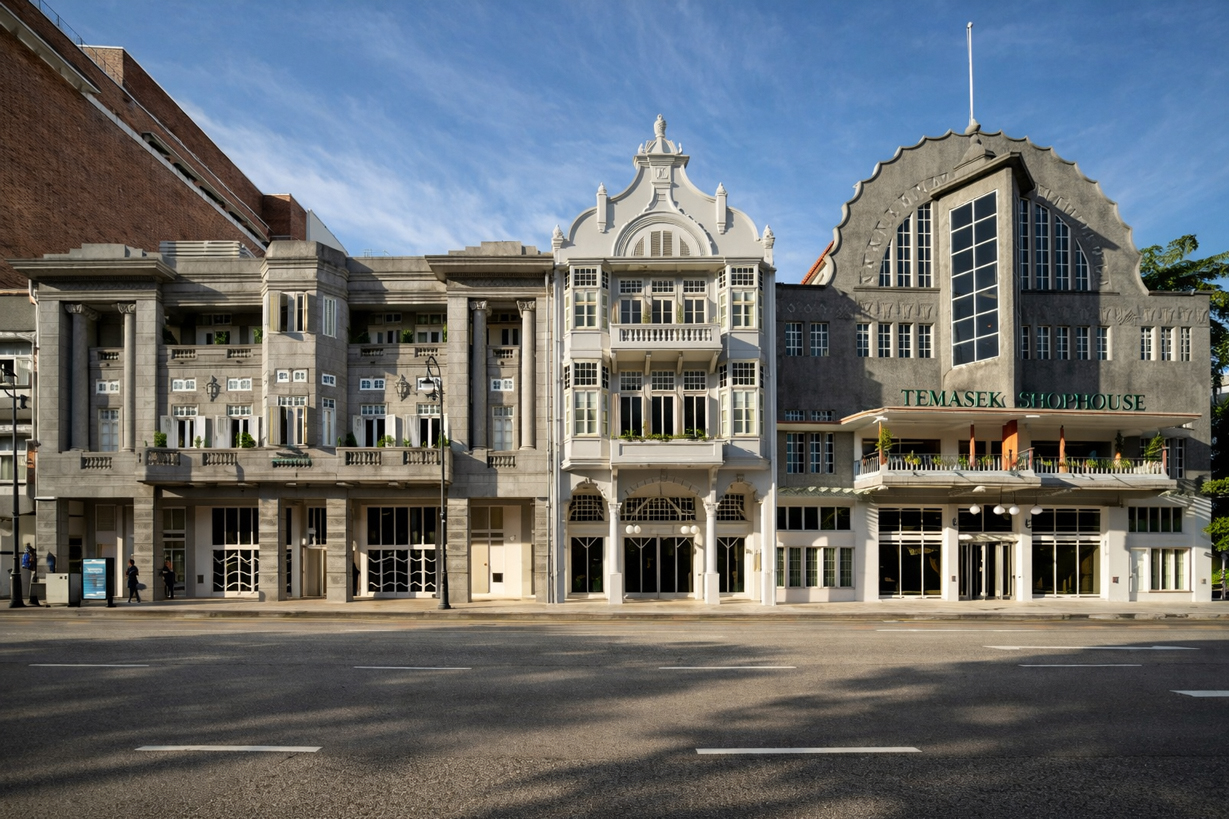
Credit: Darren Soh for Temasek Shophouse
Singapore's approach to adaptive reuse is demonstrated by our commitment to preserve architectural heritage and optimise historic buildings. Instead of maximizing rental income, they can be used to generate social value and become catalysts for positive community impact.
Temasek Shophouse exemplifies this transformation, demonstrating how thoughtful heritage conservation can create a thriving social impact hub that serves modern community needs. Set across three levels and extending into its outdoor gardens along Stamford Canal, Temasek Shophouse is brought to life through curated programmes. The tour led by Temasek Shophouse and Singapore Land Authority showcases how strategic conservation and purposeful design have guided Singapore's evolution into a city where heritage and social impact converge to strengthen urban communities.
| Timing | Itinerary |
|---|---|
| 3.30pm | Gather at Suntec L3 Atrium |
| 3.45pm – 4.00pm | Travel to Temasek Shophouse |
| 4.00pm – 5.15pm | Guided tour and tea refreshments |
| 5.15pm – 5.30pm | Return to Suntec by bus (End of programme) |
Additional Info:
- The tour will be conducted mainly indoors or in sheltered areas.
- Business casual attire is recommended. Given Singapore’s warm climate, we recommend wearing light, breathable clothing, and comfortable walking shoes. Please avoid singlets and slippers.
- Singapore's weather can be hot and humid with occasional showers, so do bring a water bottle and a small umbrella or poncho.
- Photography rules may vary across venues — please check with your guide before taking photos.
- Please keep noise levels low to avoid disrupting ongoing activities at the venue.
Harmony Village @ Bukit Batok – 16 June, Tuesday
Led by the Housing & Development Board, Singapore
This site visit is related to the Future Cities Track, HDB Session – Revitalising Cities for Inclusive, Sustainable Communities.
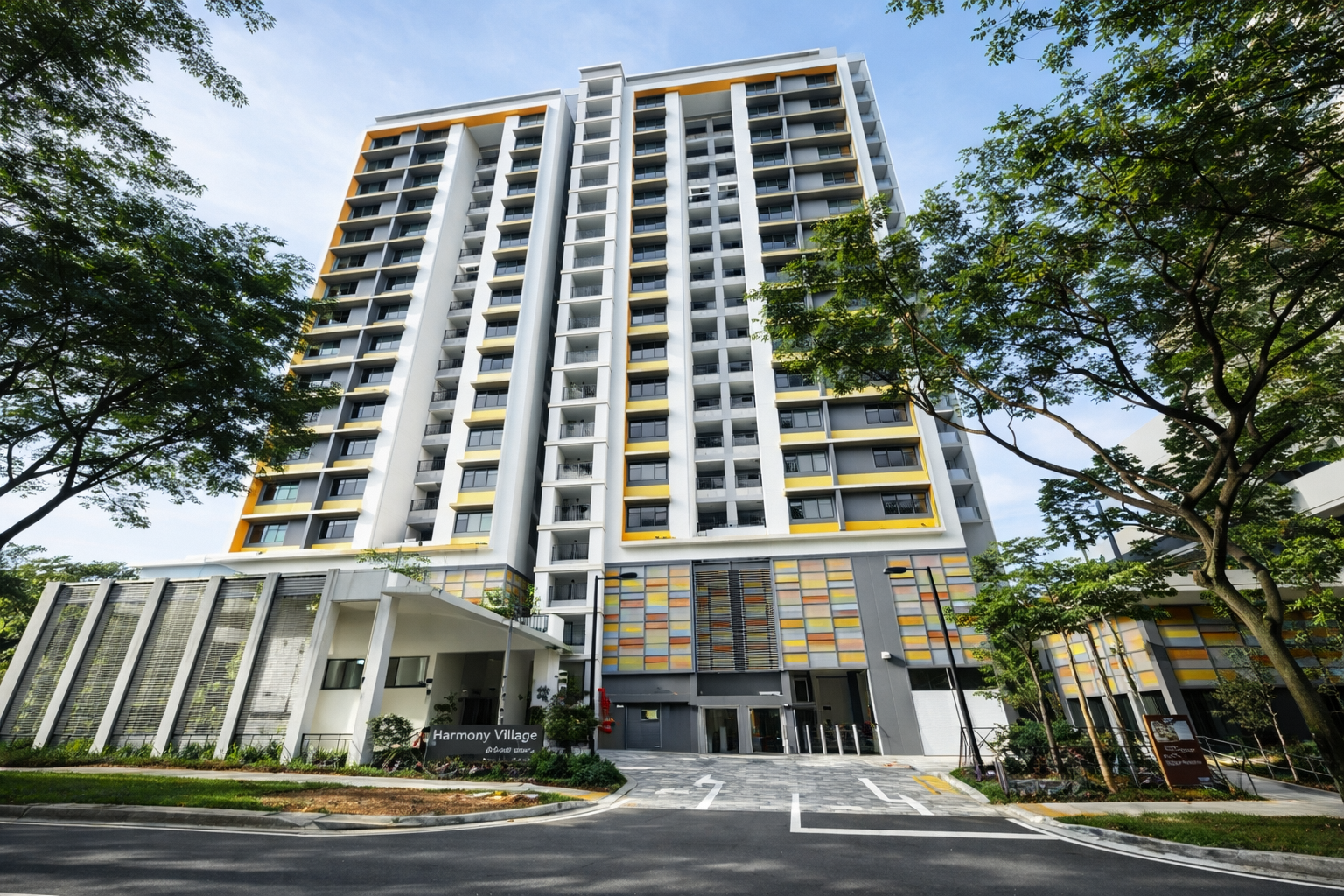
Credit: Housing & Development Board
Harmony Village @ Bukit Batok, completed in late 2024, is Singapore’s first assisted living typology jointly developed by the Housing & Development Board (HDB), Ministry of National Development (MND) and Ministry of Health (MOH) under the national ‘Age Well SG’ initiative. Designed to help seniors age independently, it combines public housing with care services that can be scaled according to individual needs.
The 15-storey complex offers 169 senior-friendly apartments, each equipped with wheelchair-accessible bathrooms, slip-resistant flooring, grab bars and foldable shower seats. On every floor, communal spaces are provided to encourage social interaction.
Integrated facilities include a Community Care Apartment Activity Centre, a roof garden with elderly-friendly fitness equipment, and the Bukit Batok West Hawker Centre, a local open-air food court with affordable stalls and shared seating. Together, they foster active living and strong community ties.
| Timing | Itinerary |
|---|---|
| 1.45pm | Gather at Suntec L3 Atrium |
| 2.00pm – 2.30pm | Travel to Harmony Village |
| 2.30pm – 4.00pm | Guided tour of the Harmony Village |
| 4.00pm – 4.30pm | Return to Suntec by bus (End of programme) |
Additional Info:
- The tour will be conducted mainly indoors or in sheltered areas, across residential and communal areas.
- Business casual attire is recommended. Given Singapore’s warm climate, we recommend wearing light, breathable clothing, and comfortable walking shoes. Please avoid singlets and slippers.
- Singapore's weather can be hot and humid with occasional showers, so do bring a water bottle and a small umbrella or poncho.
- Photography rules may vary across venues — please check with your guide before taking photos.
- Please keep noise levels low to avoid disrupting residential areas or other ongoing activities at the venue.
- In the event of thundery showers, to ensure the safety for all, some portions of the site visit may not be accessible, and the visit may be shortened.
Jurong Lake Gardens – 16 June, Tuesday
Led by the National Parks Board, Singapore
This site visit is related to the Resilient and Regenerative Cities Track, NParks Session – Restoring Nature for Healthy Cities.
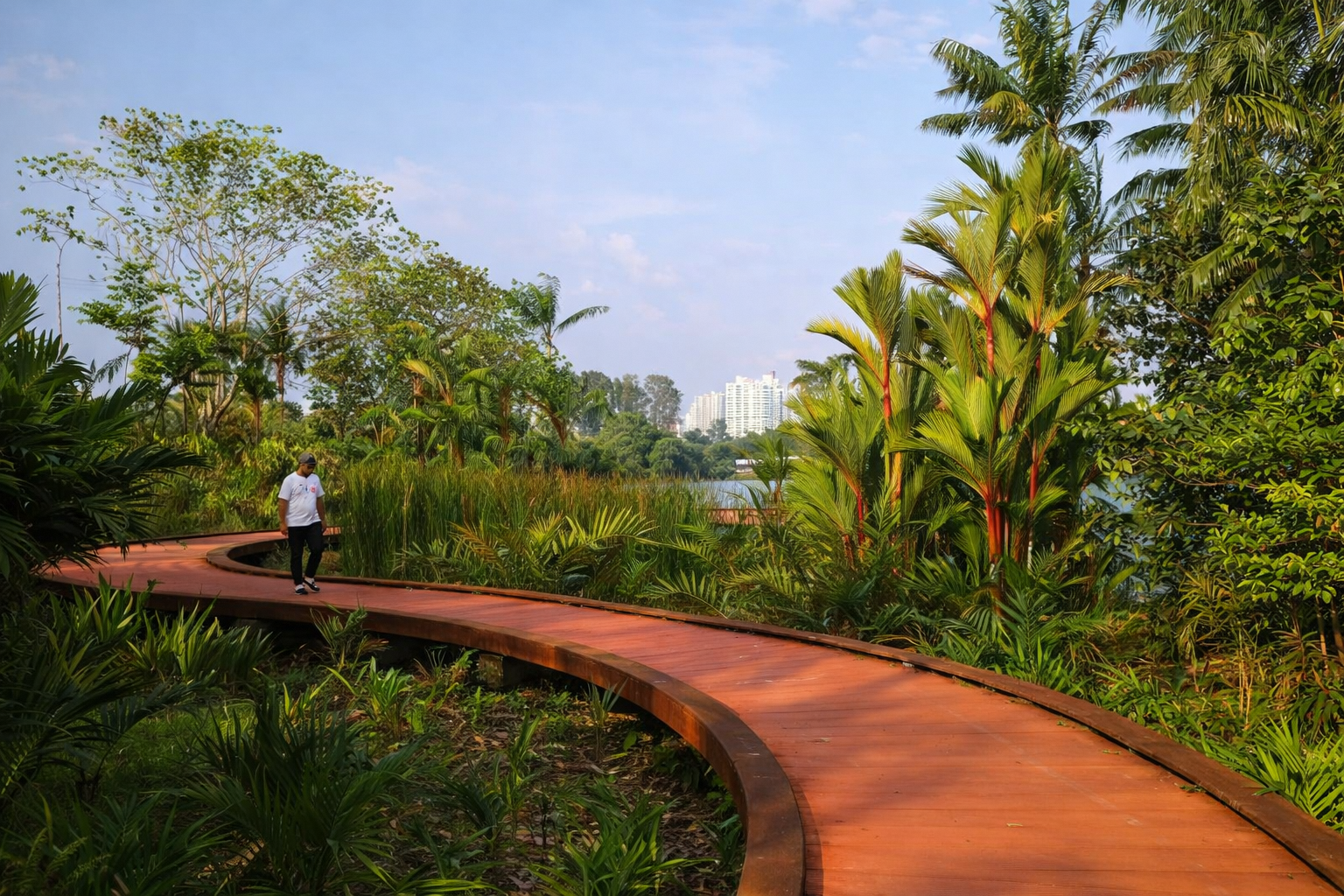
Credit: The National Parks Board
Jurong Lake Gardens, Singapore’s only National Garden in the heartlands, spans 90 hectares, and comprises Lakeside Garden, Chinese and Japanese Gardens. Shaped through extensive public engagement, its design and programmes reflect strong community involvement. Showcasing key initiatives under the Parks for Health Framework by NParks, the Gardens feature therapeutic landscapes such as nature playgardens, contemplative landscapes and therapeutic gardens, each designed using evidence-based principles to support health and wellbeing. A network of park connectors also links the Gardens to neighbouring parks and residences, enhancing accessibility. Through partnerships with various stakeholders and community partners, the Gardens offers a range of nature-based programmes from nature walks to edible gardening, promoting preventive health, active ageing and social resilience.
| Timing | Itinerary |
|---|---|
| 2.00pm | Gather at Suntec L3 Atrium |
| 2.00pm – 2.50pm | Travel to Jurong Lake Gardens |
| 2.50pm – 5.15pm |
|
| 5.15pm – 6.00pm | Return to Suntec by bus (End of programme) |
Additional Info:
- The tour will be conducted mainly outdoors, with some walking across different garden landscapes.
- Business casual attire is recommended. Given Singapore’s warm climate, we recommend wearing light, breathable clothing, and comfortable walking shoes. Please avoid singlets and slippers.
- Singapore's weather can be hot and humid with occasional showers, so do bring a water bottle and a small umbrella or poncho.
- Photography is encouraged. However, rules may vary across venues — please check with your guide before taking photos.
- Please keep noise levels low to avoid disrupting other ongoing activities at the Gardens, avoid littering and avoid disturbing the natural wildlife and fauna.
- In the event of thundery showers, to ensure the safety for all, some portions of the site visit may not be accessible, and the visit may be shortened.
Kampong Glam – 16 June, Tuesday
Led by National Heritage Board, Singapore
This site visit is related to the Cities for People Track, NHB session – Championing Heritage for Loveable Cities.
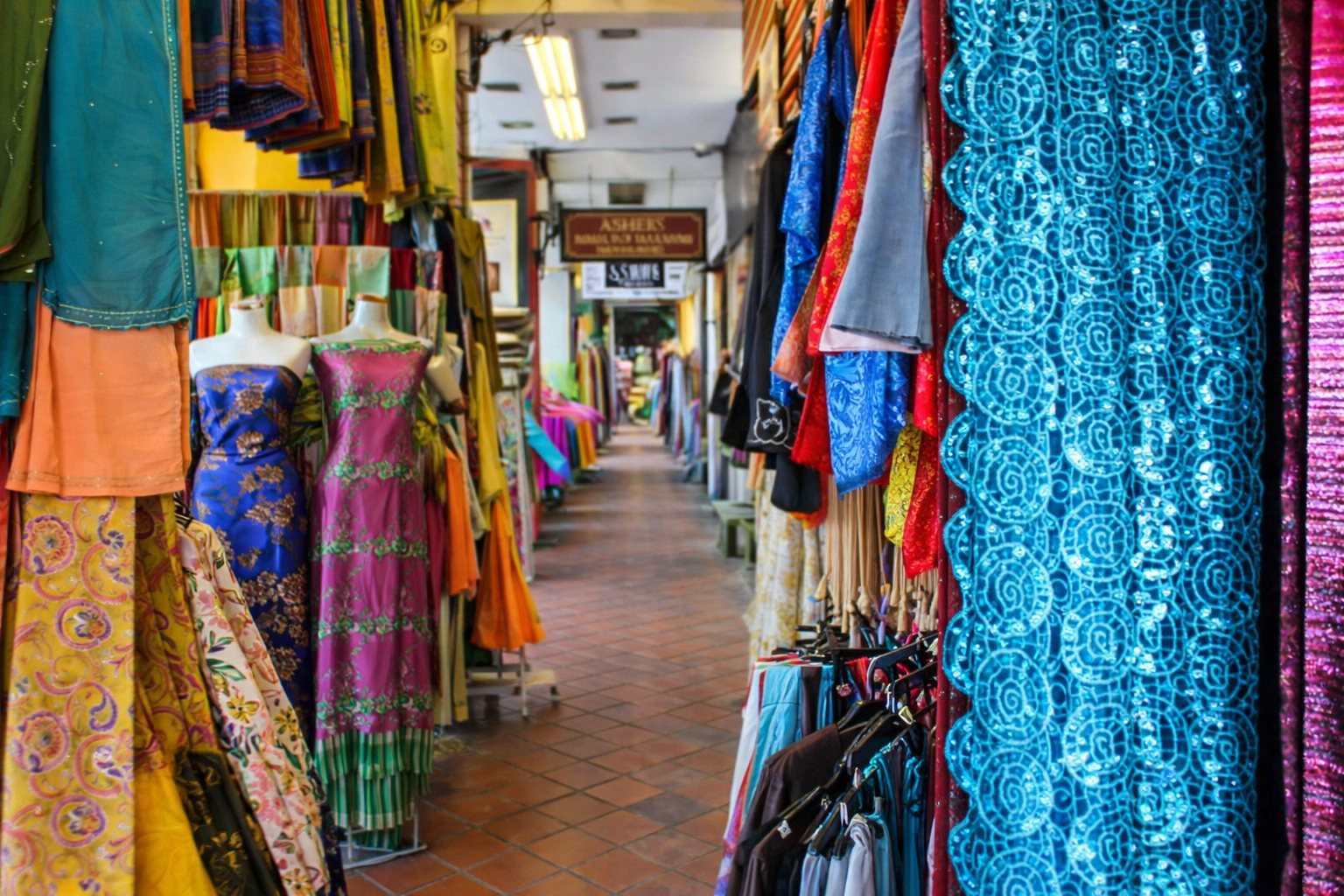
Credit: Singapore Tourism Board
Kampong Glam is home to a vibrant mix of heritage businesses that continue to serve as purveyors of traditional goods and services while acting as key community anchors and third spaces. These enterprises sustain the district’s unique identity and contribute to Singapore’s multicultural urban fabric, making Kampong Glam a living showcase of history and culture. Heritage businesses in Chinatown and Little India similarly help sustain the character of Singapore’s historic districts.
To recognise their cultural and community value, the National Heritage Board introduced the SG Heritage Business Scheme in 2025, honouring 42 businesses across the island. Kampong Glam features prominently among them, with long-standing establishments that embody resilience and tradition while adapting to modern needs. Participants will discover their stories, experience living traditions, and gain insights into trades that continue to shape the district’s distinctive character.
| Timing | Itinerary |
|---|---|
| 9.00am | Gather at Suntec L3 Atrium |
| 9.15am – 9.30am | Travel to Kampong Glam |
| 9.30am – 12.00pm |
|
| 12.00pm – 12.30pm | Return to Suntec by bus (End of programme) |
Additional Info:
- The tour will be conducted mainly outdoors, with walking across different streets and heritage businesses.
- As delegates will be split into three (3) different groups, please stay with your assigned group at all times throughout the tour.
- Delegates are welcome to participate in the Q&A segments during the tour. When engaging with business owners, please do so one conversation at a time, and kindly refrain from touching items at the businesses unless invited to.
- Business casual attire is recommended. Given Singapore’s warm climate, we recommend wearing light, breathable clothing, and comfortable walking shoes. Please avoid singlets and slippers.
- Singapore's weather can be hot and humid with occasional showers, so do bring a water bottle and a small umbrella or poncho.
- Flash photography is not allowed at all times. Photography rules may vary across venues — please check with your guide before taking photos at the heritage businesses.
- Please keep noise levels low to avoid disrupting residential areas or other ongoing business activities at the venues.
- In the event of thundery showers, to ensure the safety for all, some portions of the site visit may not be accessible, and the visit may be shortened.