A Singapore Government Agency Website


Secure websites use HTTPS
Look for a
lock () or https:// as an added precaution. Share sensitive
information only on official, secure websites.
We apologise for any inconvenience caused.
World Cities Summit >
Programme >
WCS Thematic Tracks & Sessions >
Future Cities
Future Cities

Photo: Designed by Freepik
New cities are canvases for future urban life. The working and lifestyle needs of tomorrow’s residents are complex to predict and difficult to measure in advance. Fresh approaches, innovation and paradigm shifts in data analytics, planning and development are required.
Leadership Plenary 1: How do we build new cities?
Co-curated with Bloomberg Citylab
The built environment plays a pivotal role in shaping tomorrow's cities. Yet cities face unprecedented new challenges and traditional planning approaches struggle to keep pace with rapid urban transformation. Cities require both technological innovation and strategic leadership to build capacity and adaptability into their systems.
This plenary discusses the capabilities new and emerging cities need to implement forward-looking plans that meet future needs and generate economic opportunities while preserving their unique character in an unpredictable world.
Panel 1
Moderator
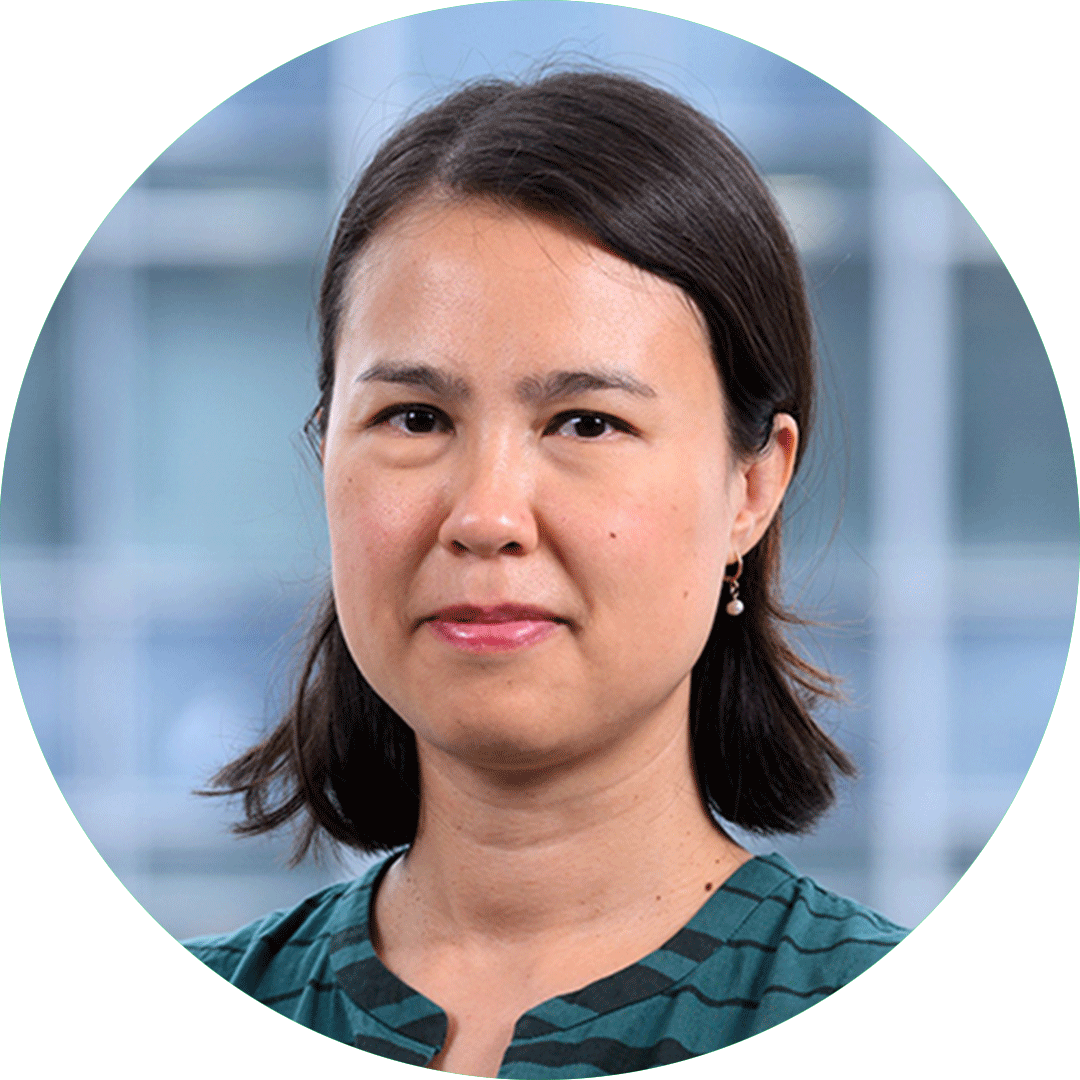
|
Isabella Steger
Senior Editor, Bloomberg News |
|---|
Panel Speaker
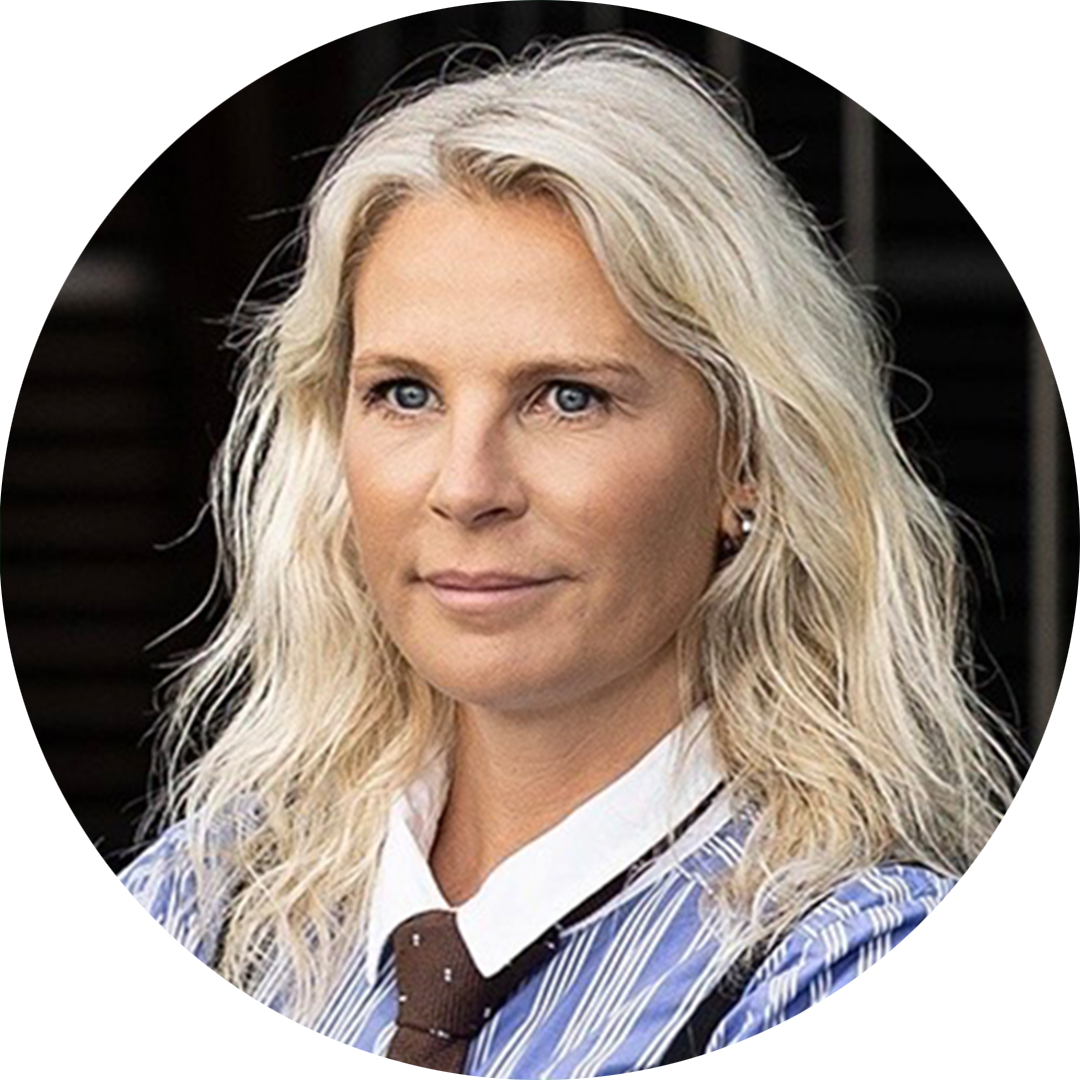
|
Kjersti Lund
Chief Executive Officer, Gehl |
|---|
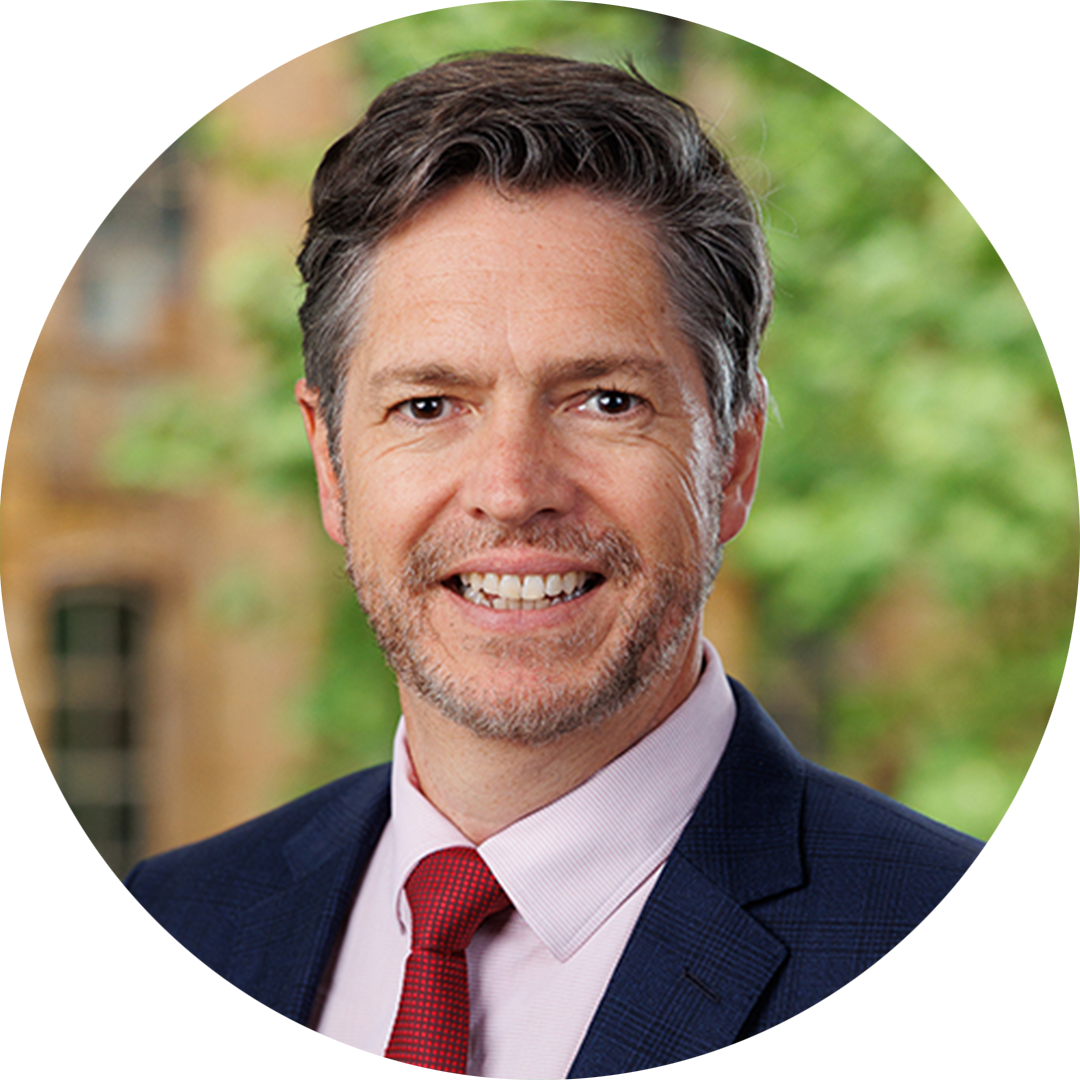
|
Nicholas Reece
Lord Mayor of Melbourne |
|---|
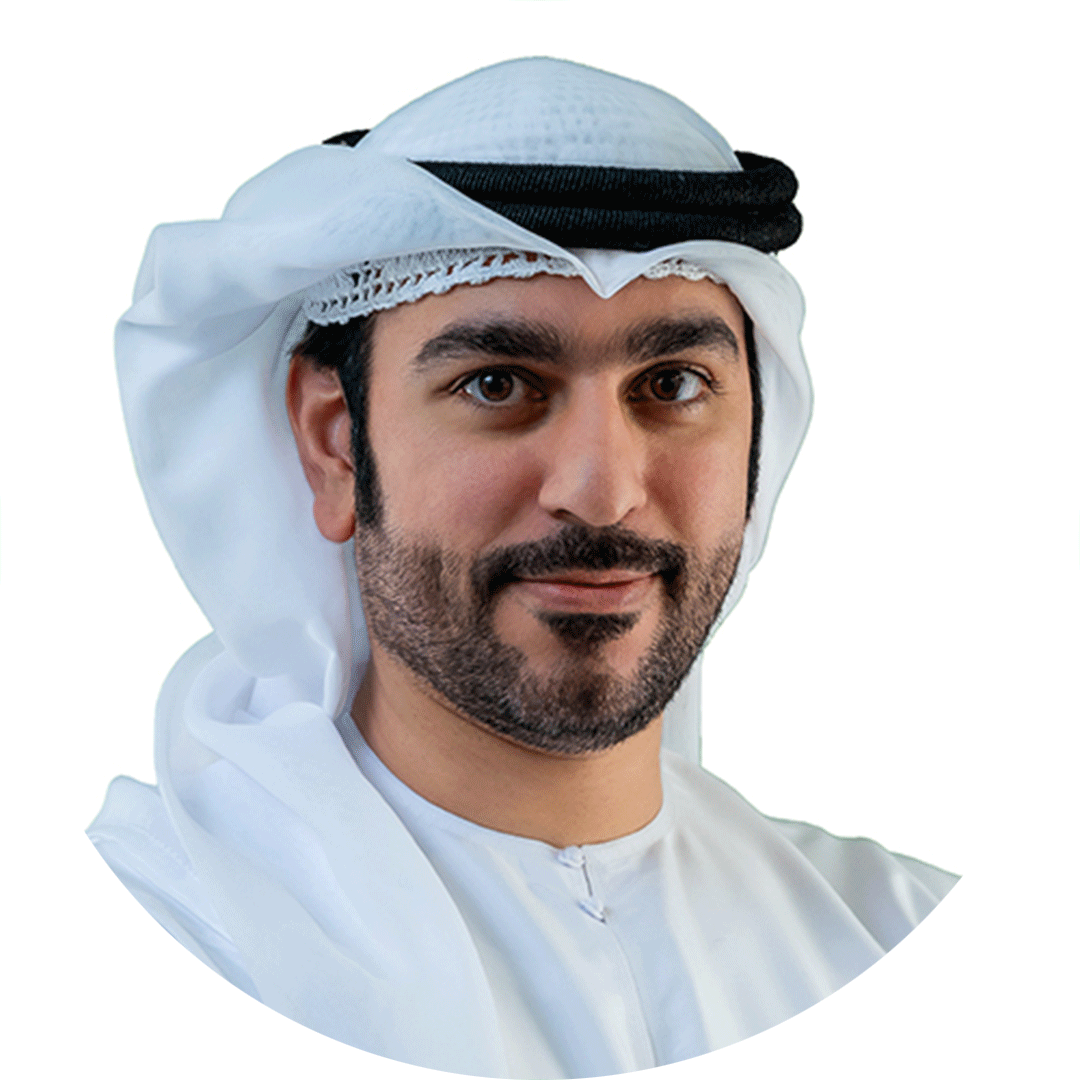
|
Abdulla Al Blooshi
Director General - Urban Planning & Permit Centre, Abu Dhabi |
|---|
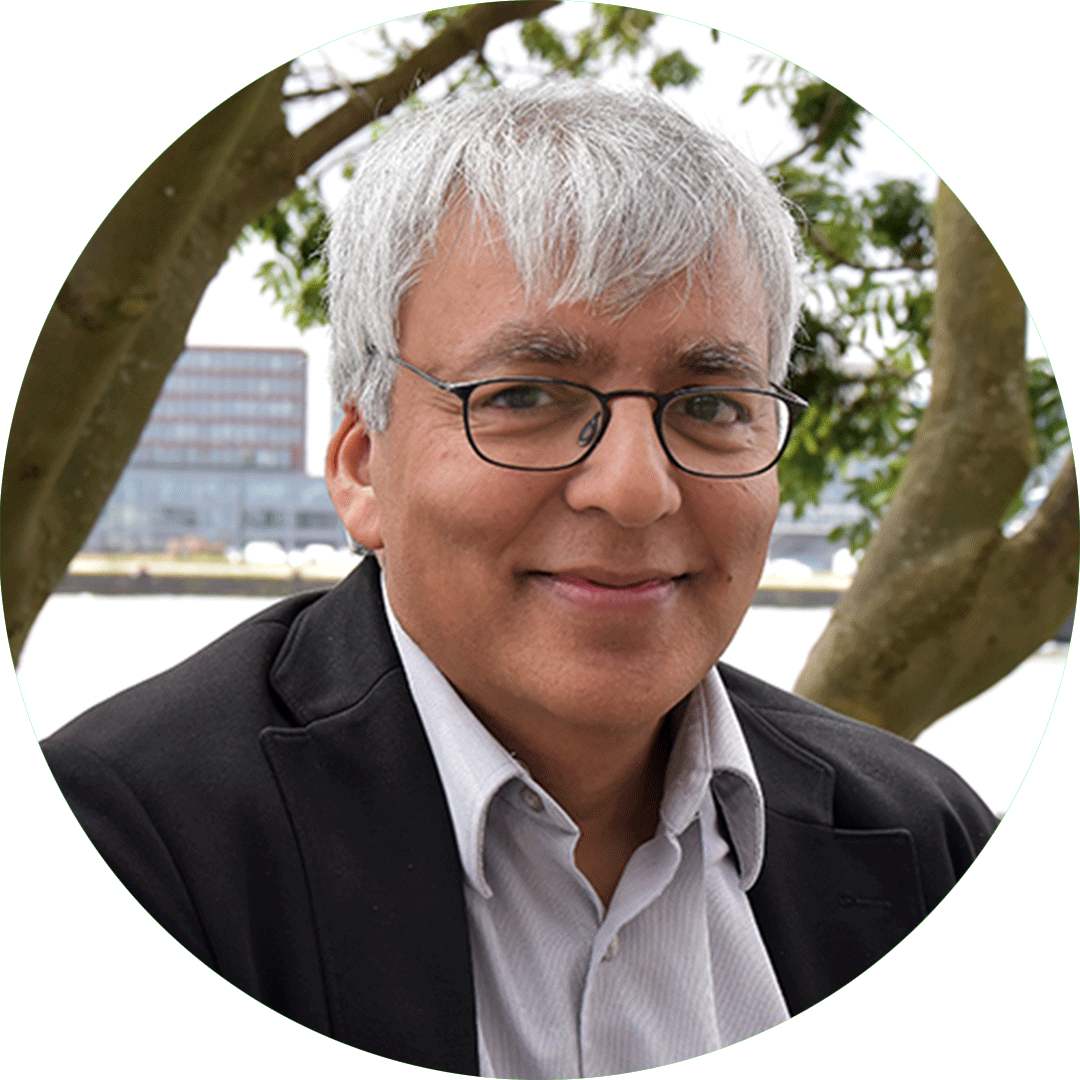
|
Arun Jain
FAICP, Urban Designer, Urban Strategist |
|---|
Panel 2
Moderator
|
|
Isabella Steger
Senior Editor, Bloomberg Newsroom |
|---|
Panel Speaker
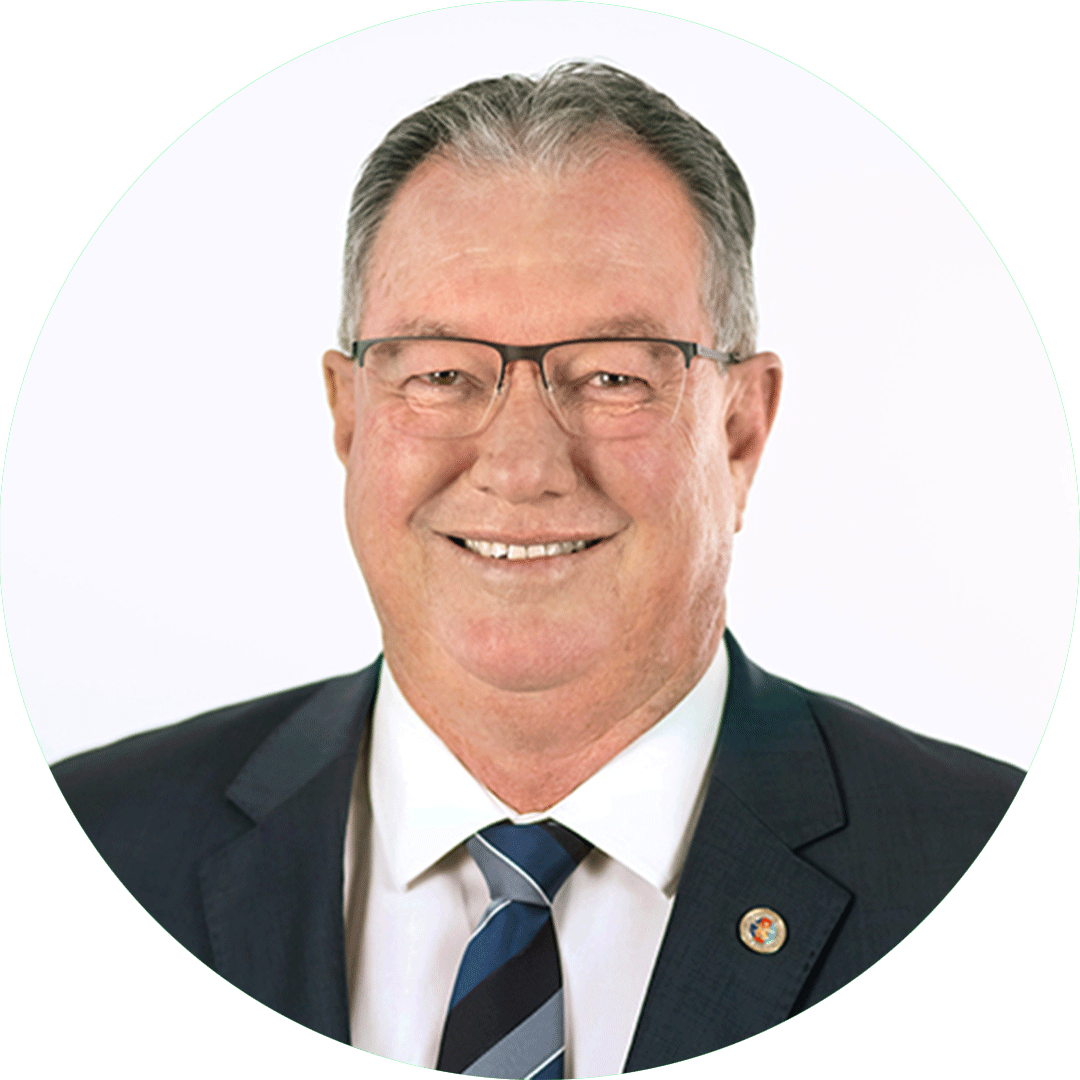
|
Peter Flannery
Mayor, City of Moreton Bay |
|---|
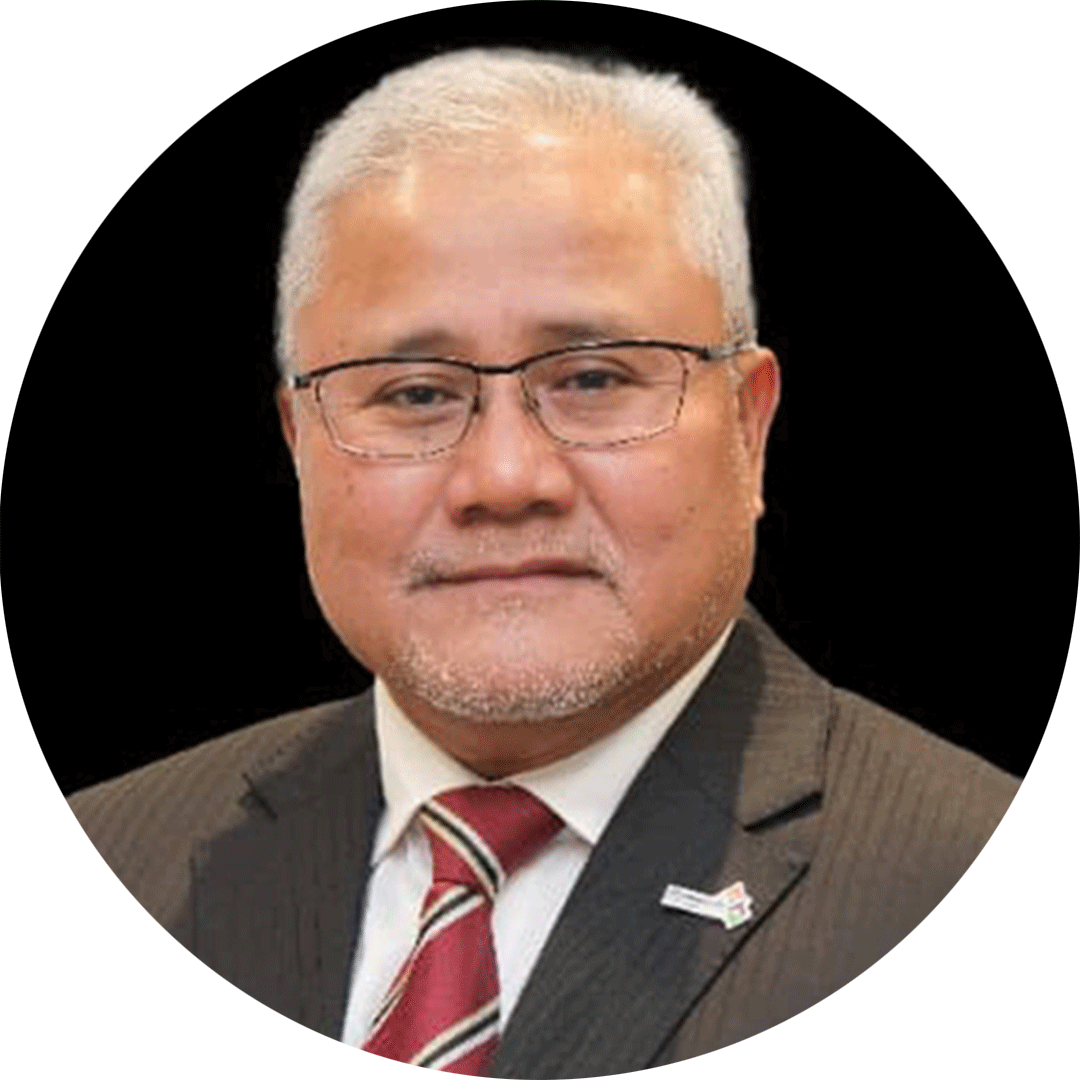
|
Mohd Noorazam Osman
Chief Executive, Iskandar Regional Development Authority |
|---|
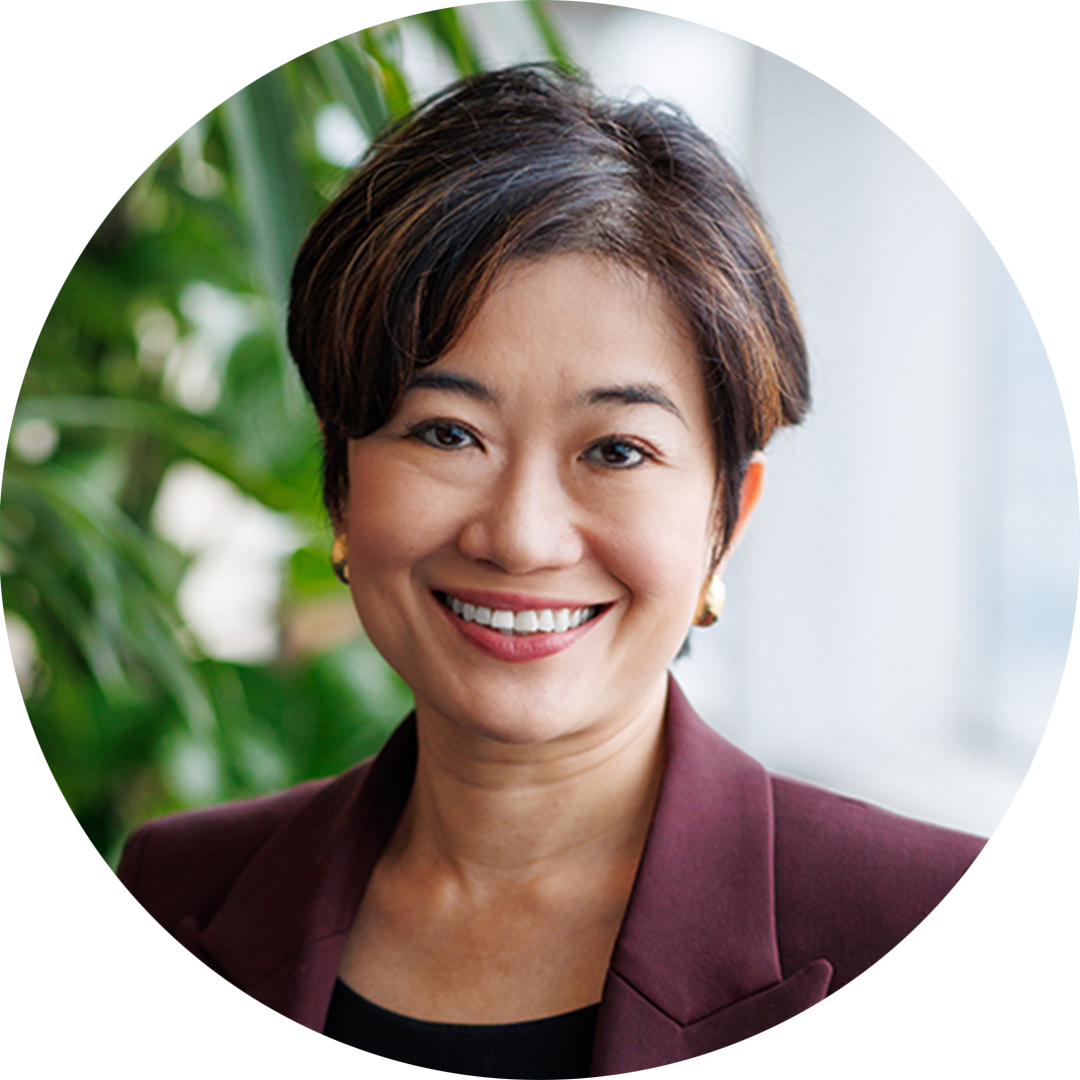
|
Jacqueline Poh
Chief Executive Officer, JTC |
|---|

|
Sithole Mbanga
Chief Executive Officer, South African Local Government Association (SALGA) |
|---|
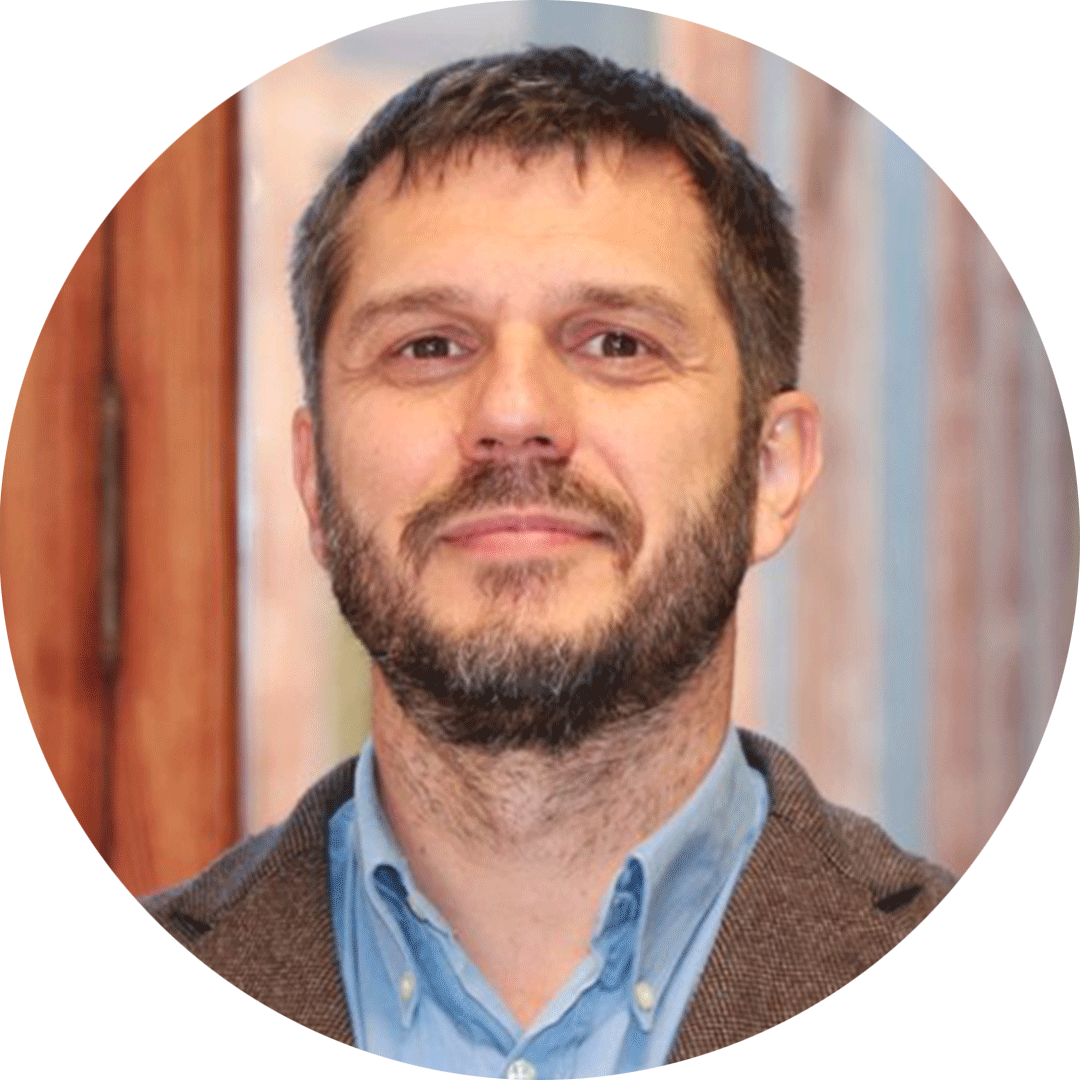
|
Jordi Vaquer
Secretary General, Metropolis |
|---|
Leadership Plenary 2: ACT Now!
How can we make density and polycentricity work for cities?
Today, 55% of the world's population lives in urban areas, a proportion expected to reach 68% by 2050. This unprecedented urbanisation megatrend will strain existing infrastructure and create new challenges for cities. As cities compete and expand into greenfield sites, the pressure to urbanise intensifies.
This closing plenary explores how cities can develop more thoughtfully, prioritising residents’ wellbeing over assumed expansion, while considering the vital role of regional towns and districts in our collective future.
Keynote Speaker
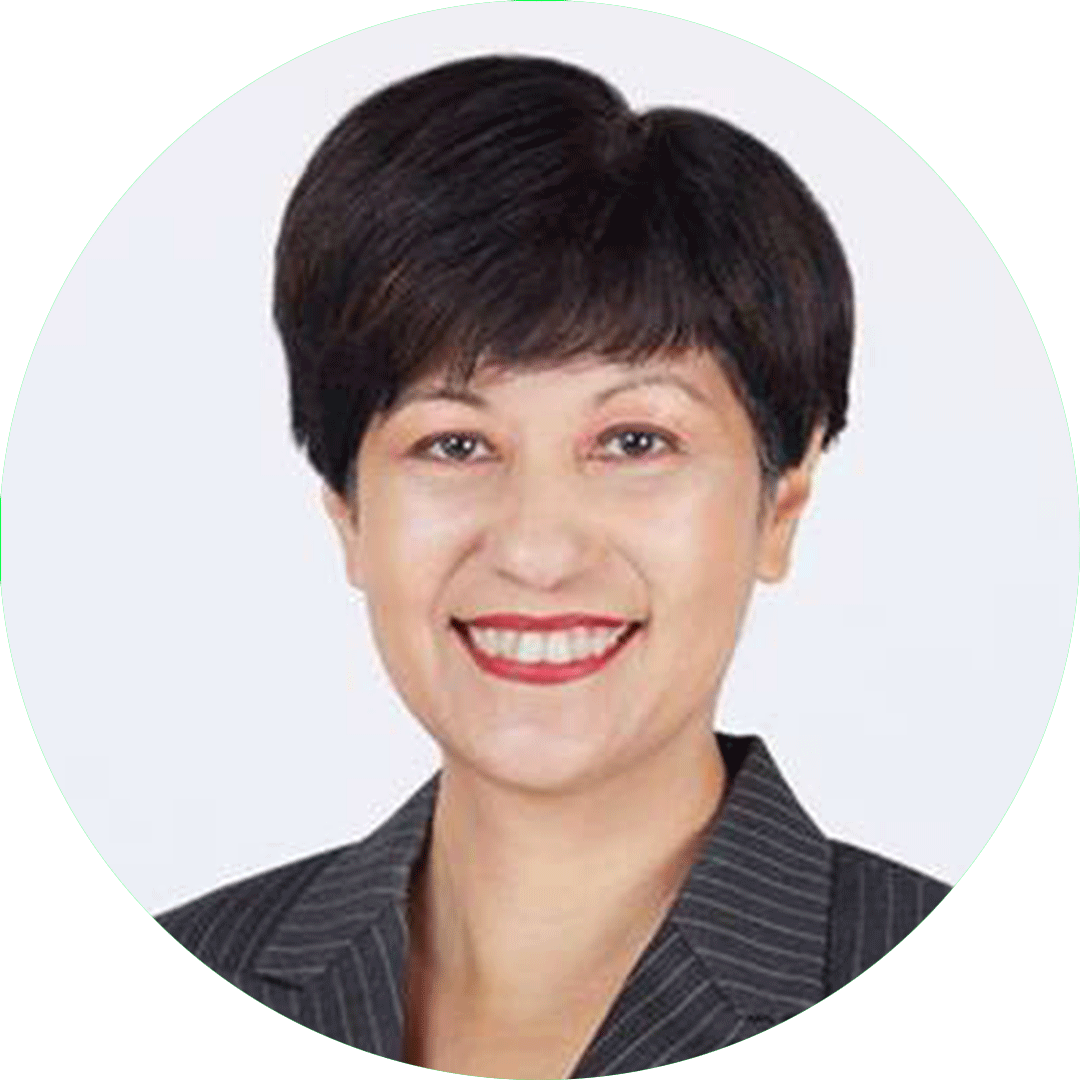
|
Indranee Rajah
Minister, Prime Minister's Office, Second Minister for Finance and Second Minister for National Development, Singapore |
|---|
Expert Insights
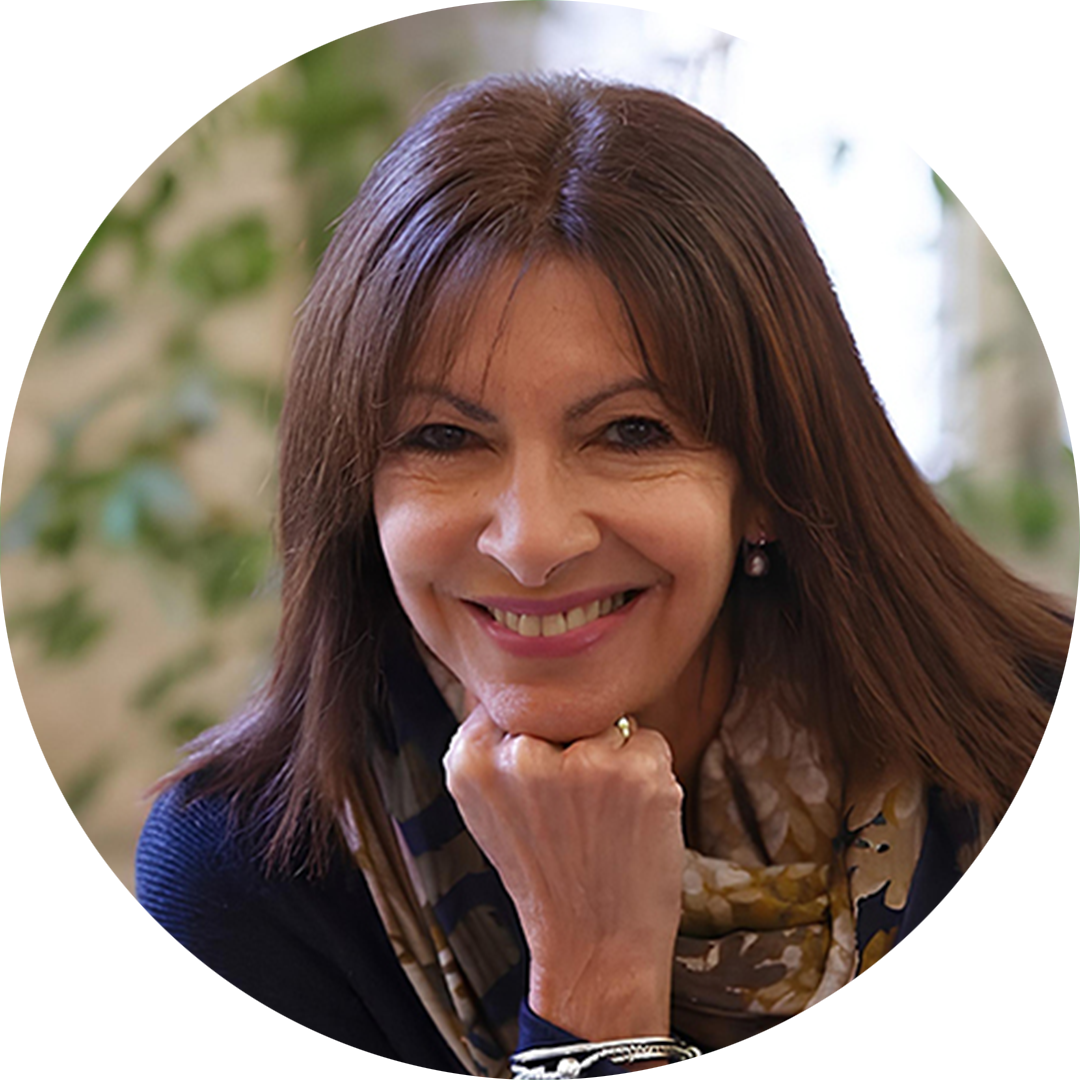 |
Anne Hidalgo
Global Ambassador, Global Covenant of Mayors and Former Mayor, Paris (2014-2026) |
|---|
Moderator
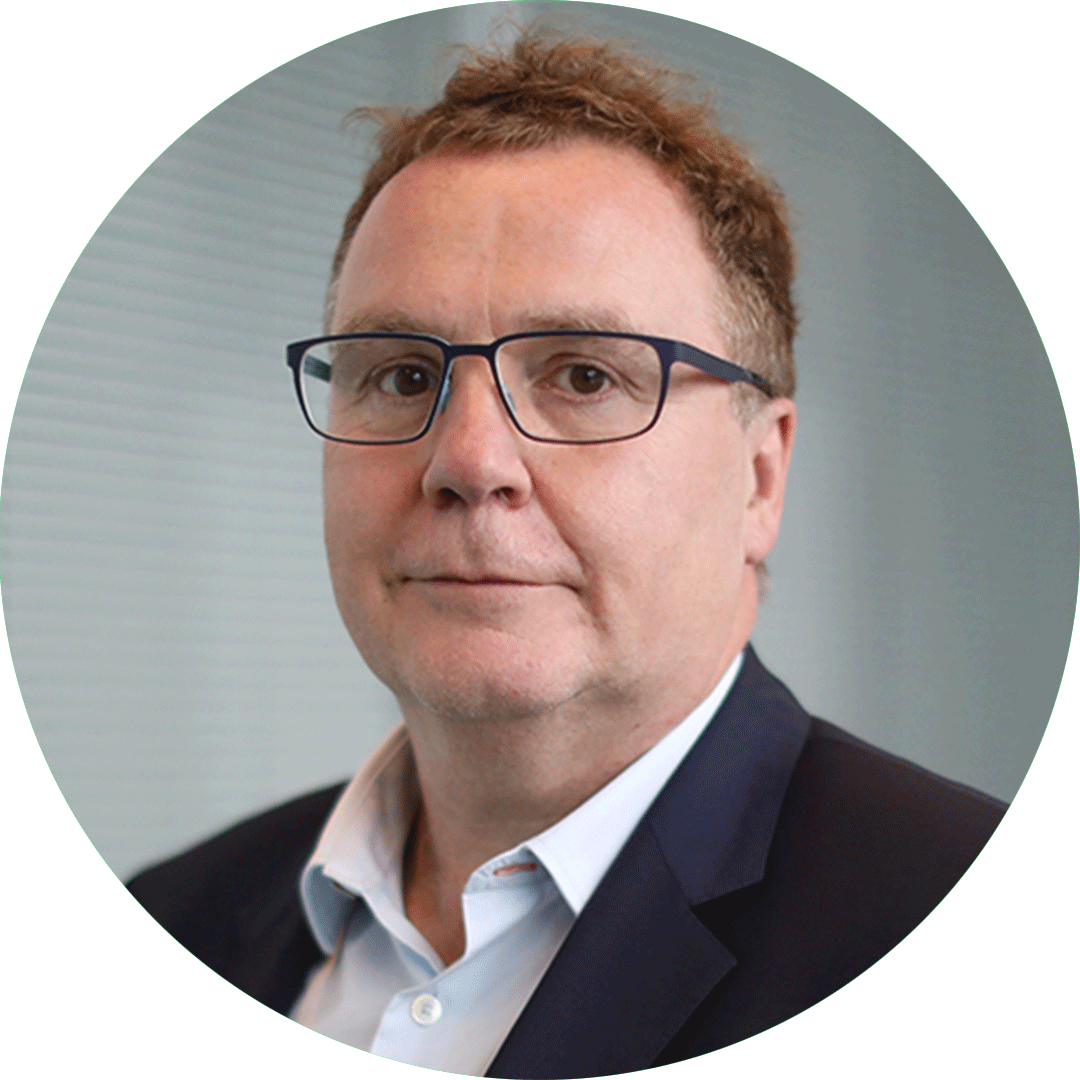
|
Greg Clark
Global Advisor on Cities, Greg Clark Ltd |
|---|
Panel Speakers
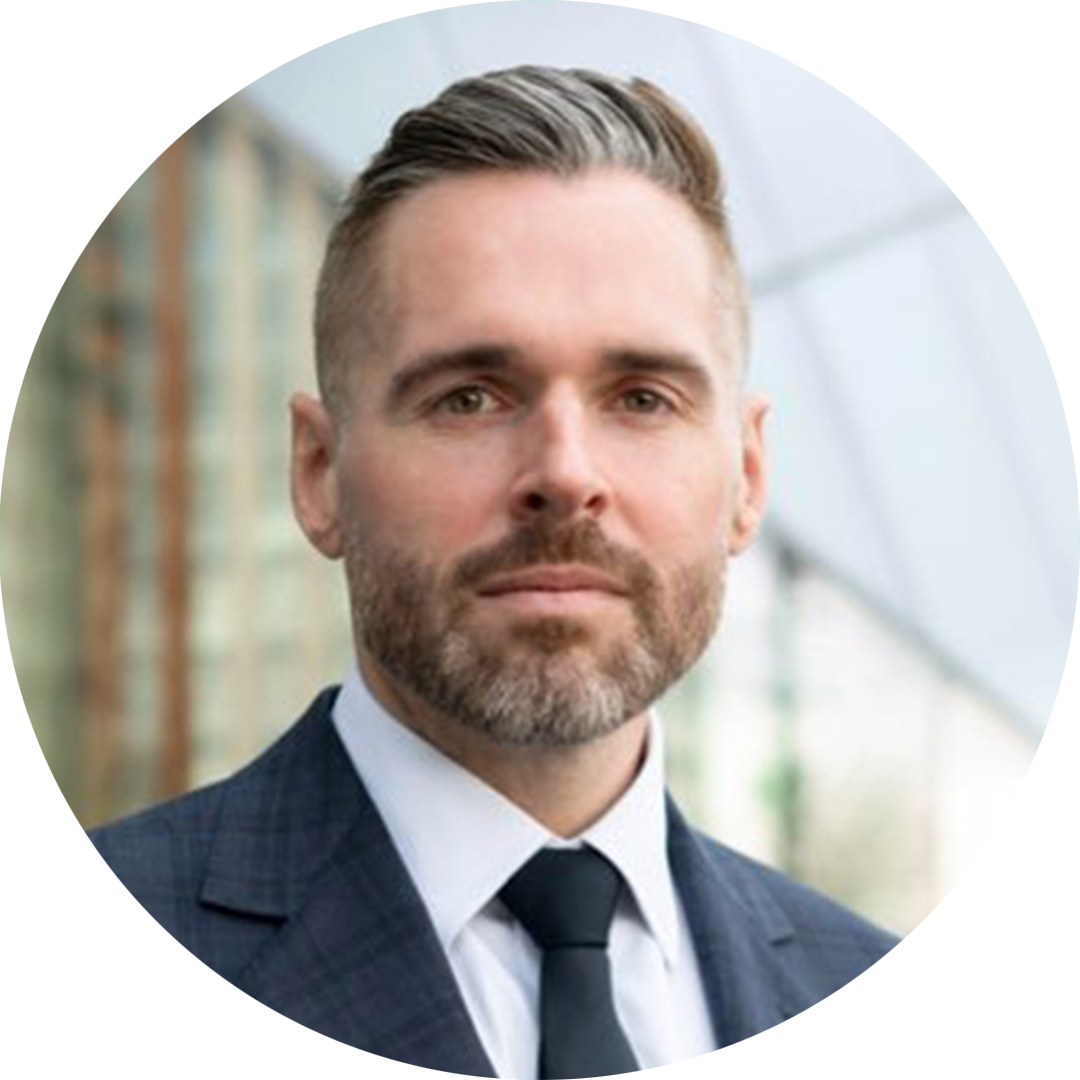
|
Tom Copley
Deputy Mayor for Housing and Residential Development, London |
|---|
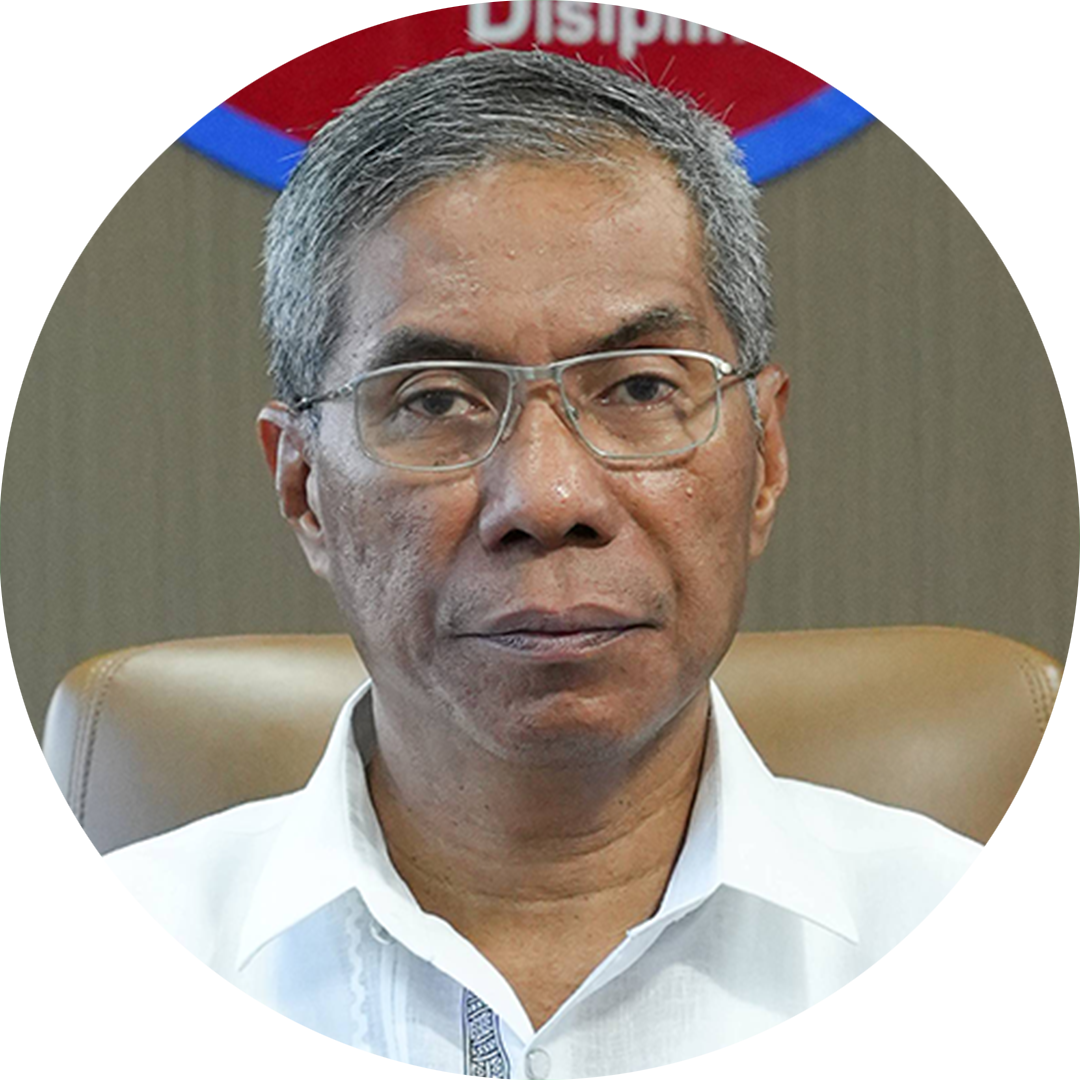
|
Nicolas Torre III
Undersecretary, General Manager, Metro Manila Development Authority (MMDA) |
|---|
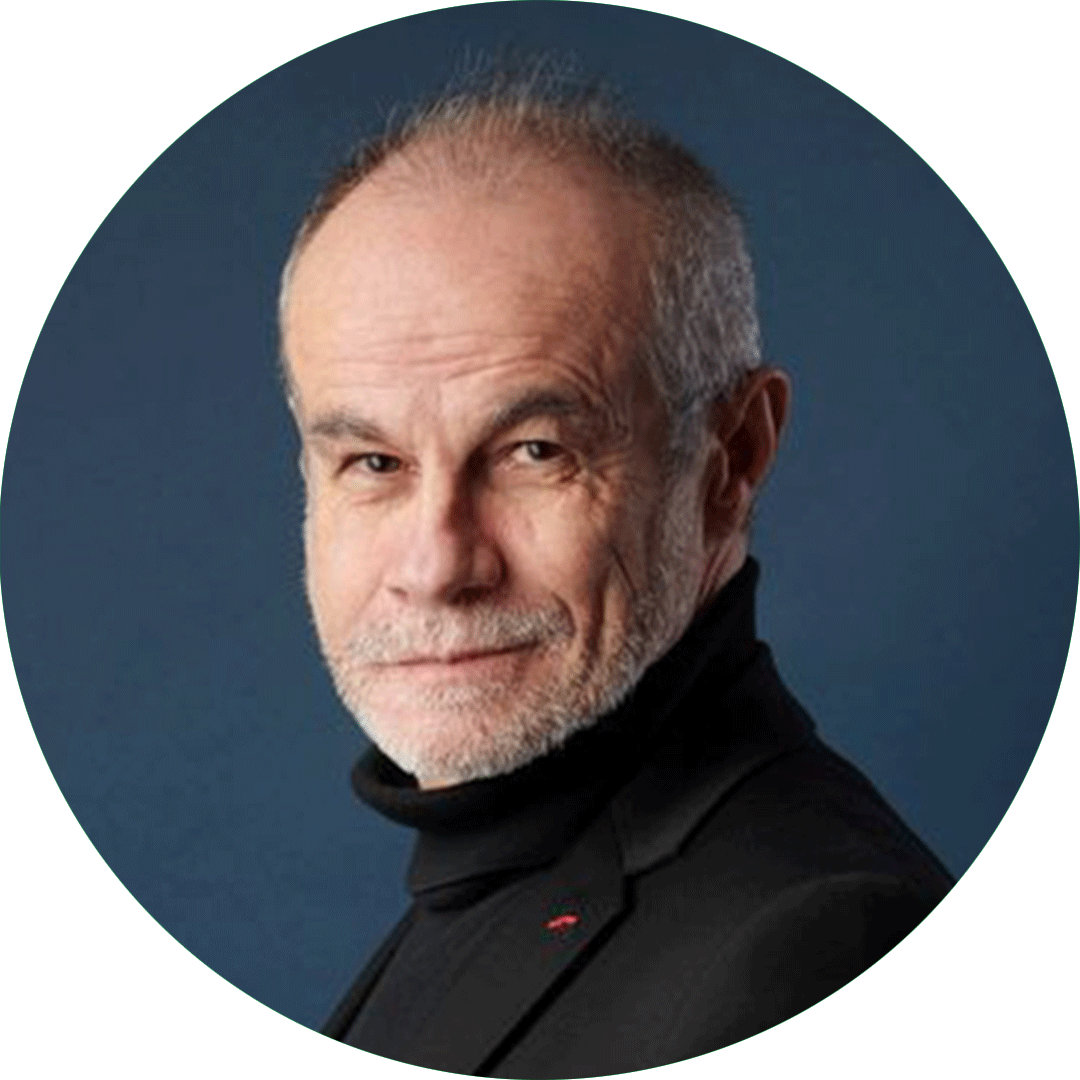
|
Carlos Moreno
Scientific Director of the research lab “Entrepreneurship Territory Innovation”; Affiliation: IAE Paris-Sorbonne, Université Paris 1 Panthéon-Sorbonne |
|---|
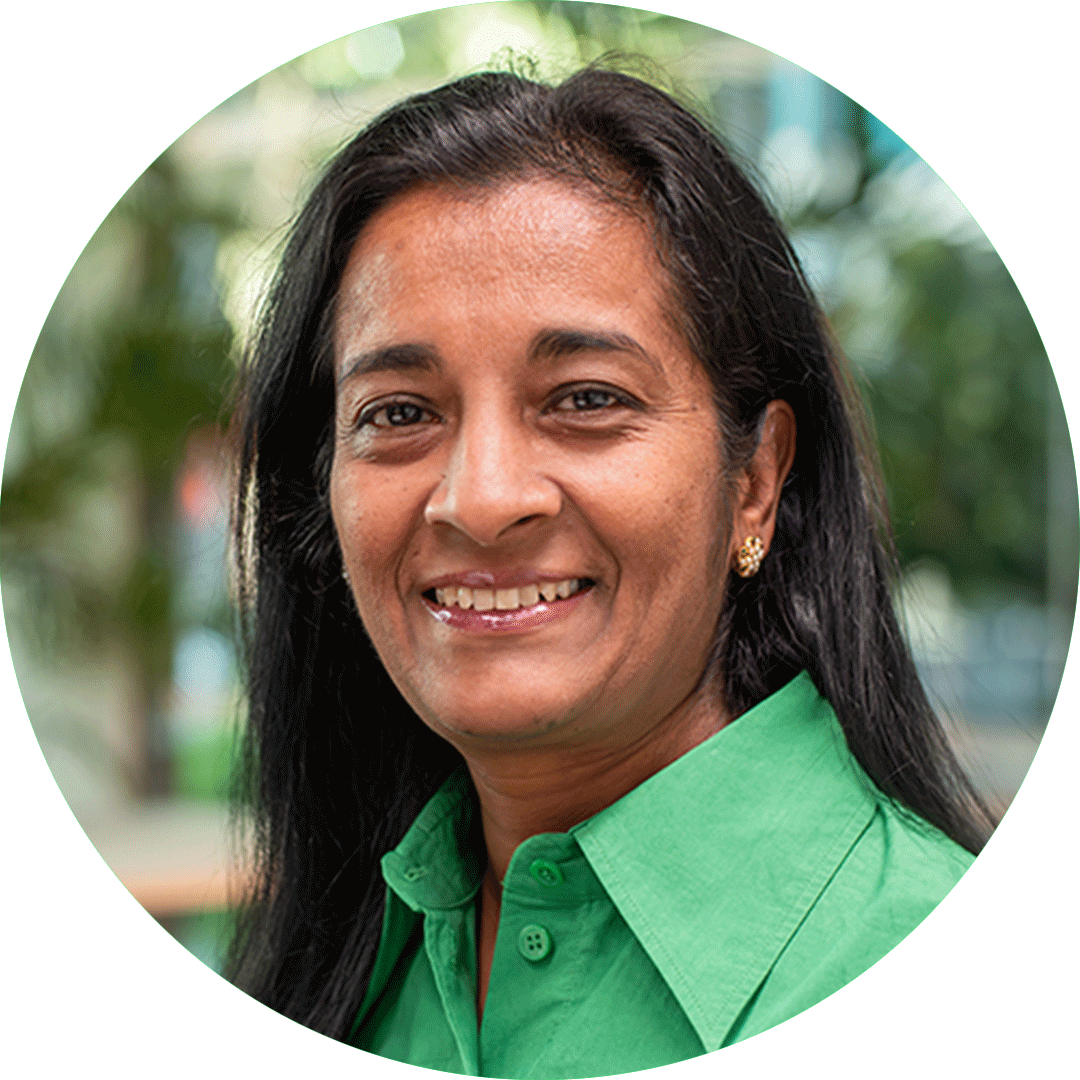
|
Sowmya Parthasarathy
Focus Markets Leader (India, Middle East and Africa); Fellow, Arup |
|---|
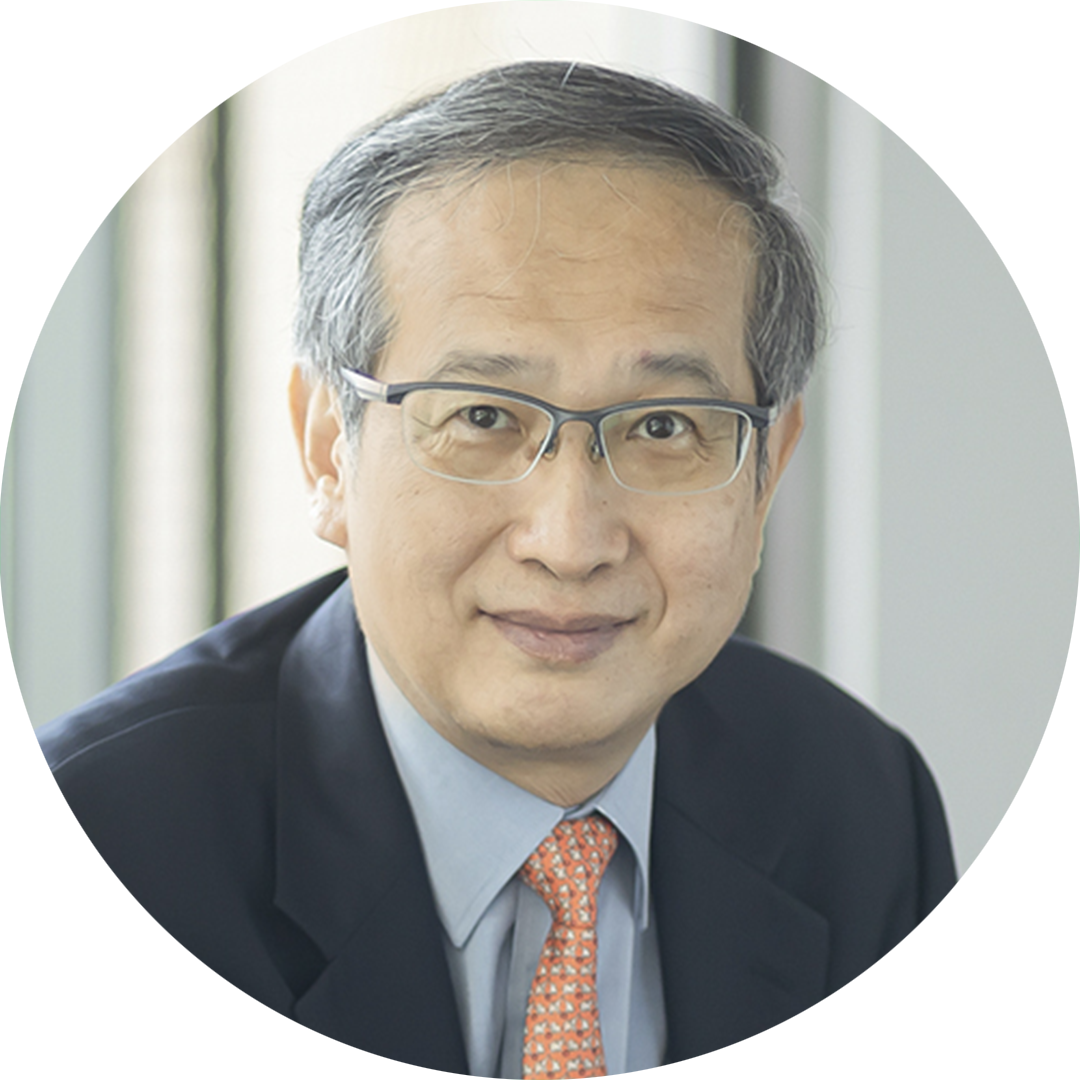 |
Heng Chye Kiang
Advisor, NUS Cities; Deputy Dean (Research and Innovation), College of Design and Engineering, National University of Singapore |
|---|
WCS Closing Summary
|
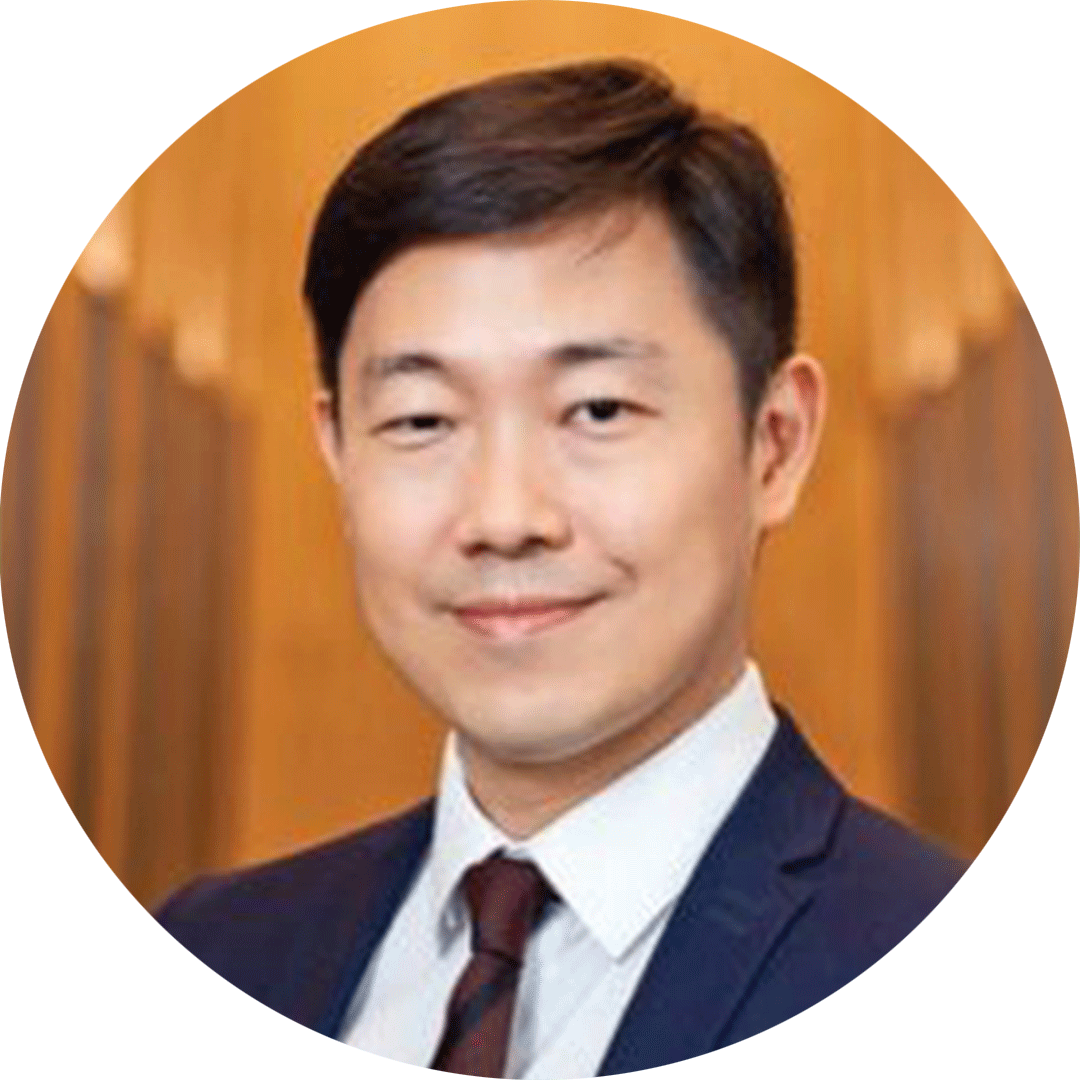
Cheng Hsing Yao
Group Chief Executive Officer, GuocoLand Limited |
|---|
CLC Session – Future Urban Liveability: The Hyperlocal Shift
This session explores how cities are reimagining neighbourhoods to achieve health, equity, and sustainability. The focus is on a hyperlocal, human-scaled planning approach that makes essential services and amenities accessible within short distances.
This three-dimensional, mixed-use model has gained urgency post-pandemic to address changing work patterns, aging populations, and the need for climate resilience. The main challenge is the growing complexity of urban demands, requiring planners to balance:
- Increasing density with liveability
- Economic viability with affordability
- Demographic shifts and technological advancements with climate adaptation
Through city case studies, the session will identify opportunities and challenges in planning and development, discussing critical parameters like density, walkability, economic models, and digital infrastructure integration.
Keynote, Co-moderator
|
|
Carlos Moreno
Scientific Director of the research lab “Entrepreneurship Territory Innovation”; Affiliation: IAE Paris-Sorbonne, Université Paris 1 Panthéon-Sorbonne |
|---|
Panel Speakers
|
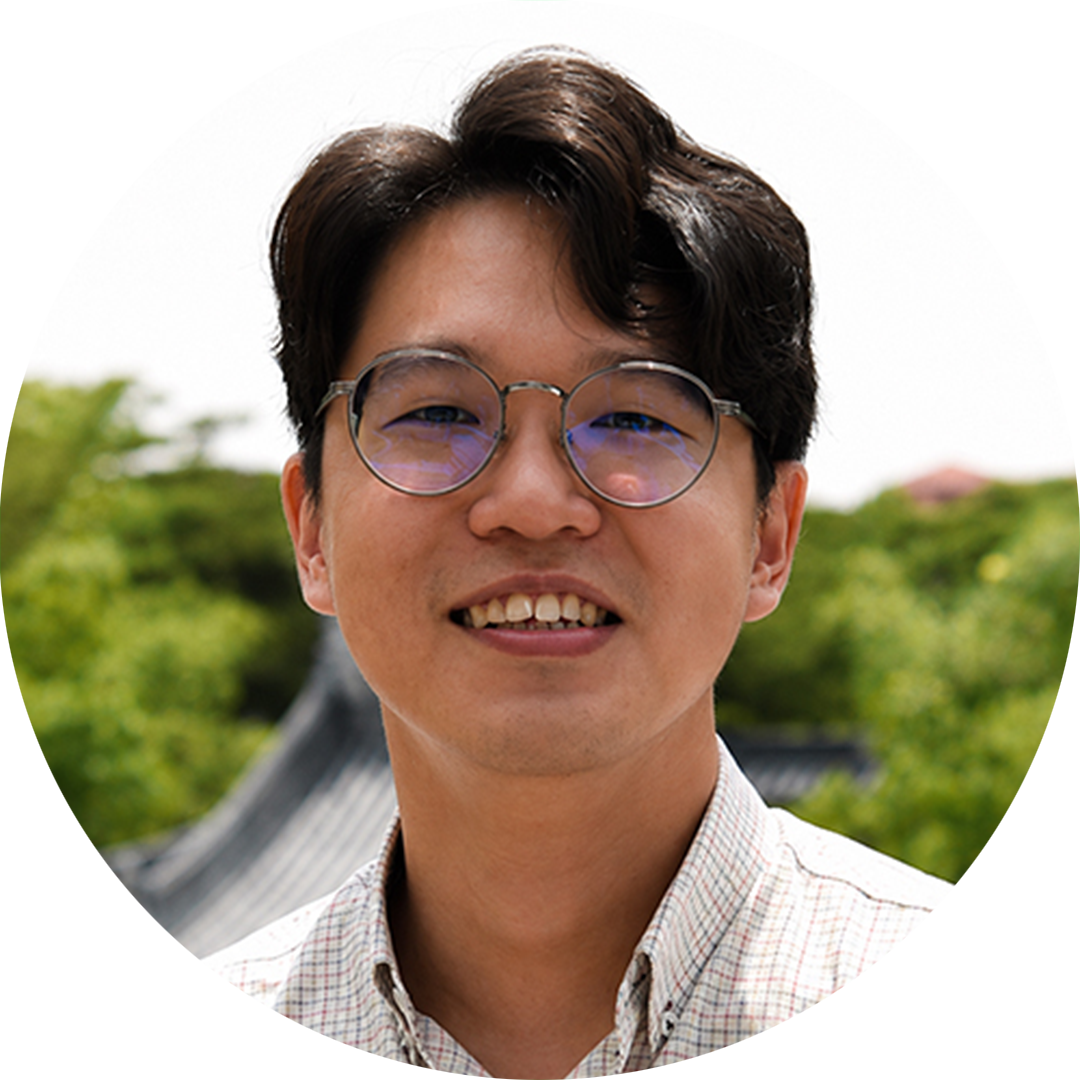
Samuel Chng
Research Assistant Professor, Lee Kuan Yew Centre for Innovative Cities, Singapore University of Technology and Design |
|---|
|
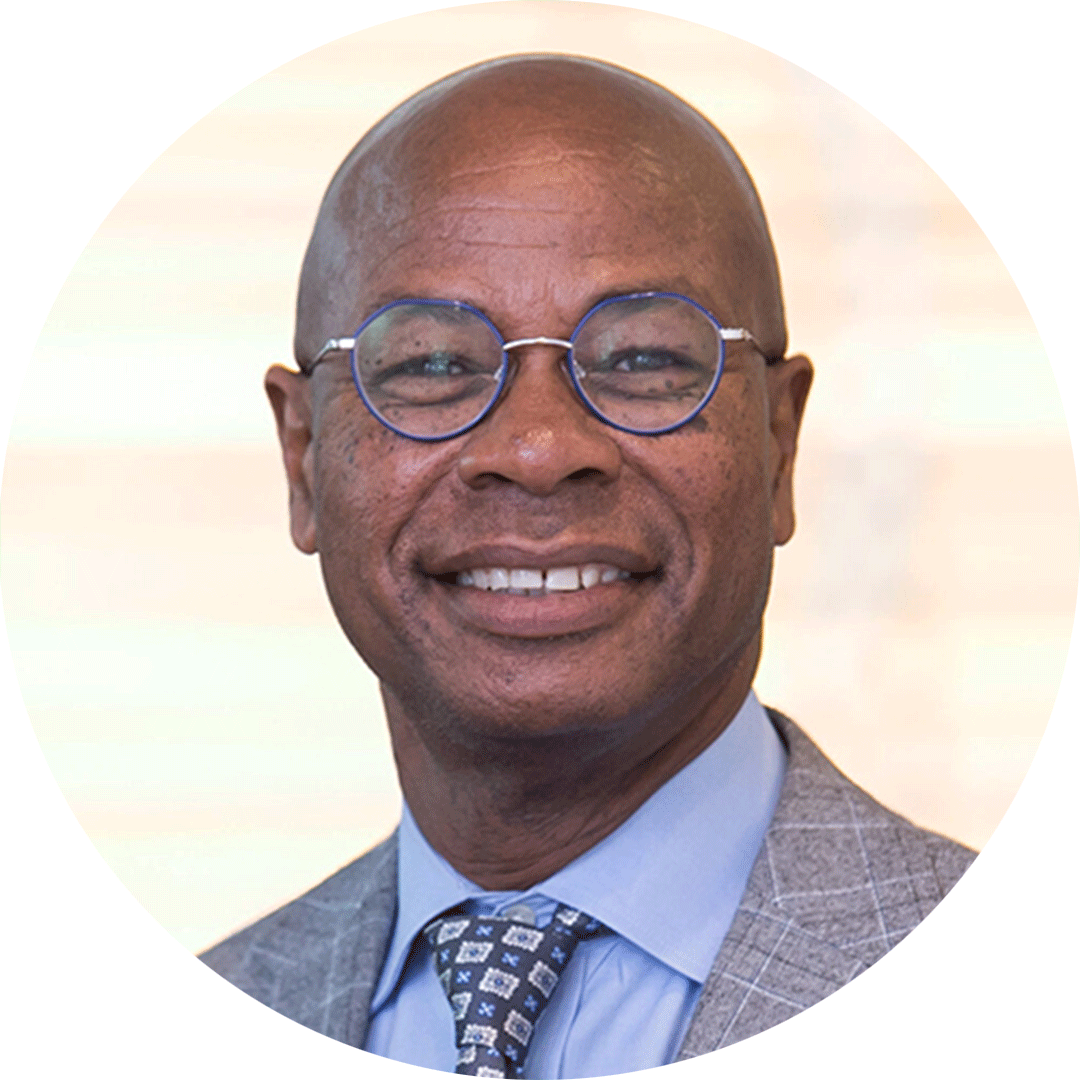
Clarence Anthony
Chief Executive Officer, National League of Cities |
|---|
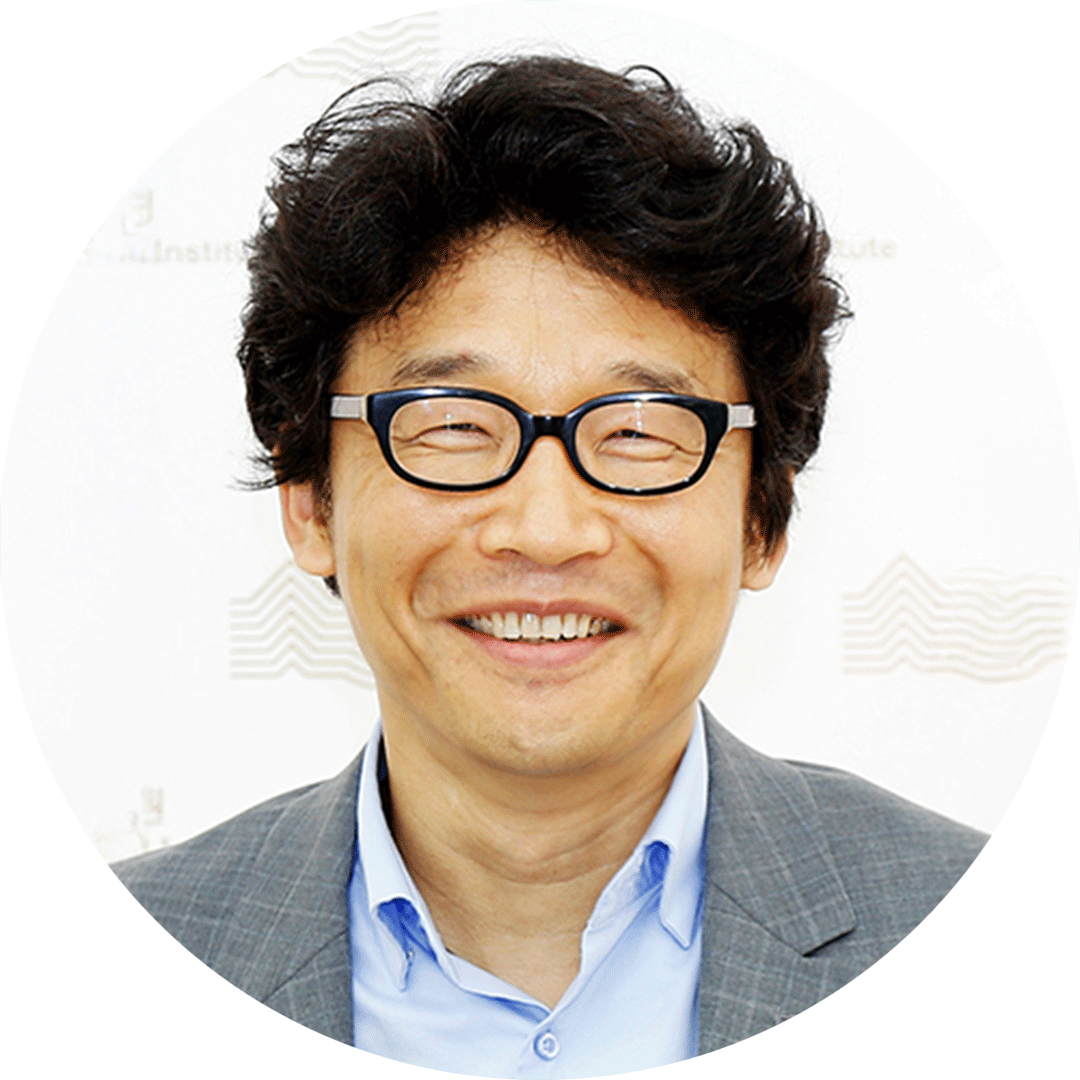
|
In Hee Kim Senior Research Fellow, Seoul Institute and Master Planner, Gangnam-gu |
|---|
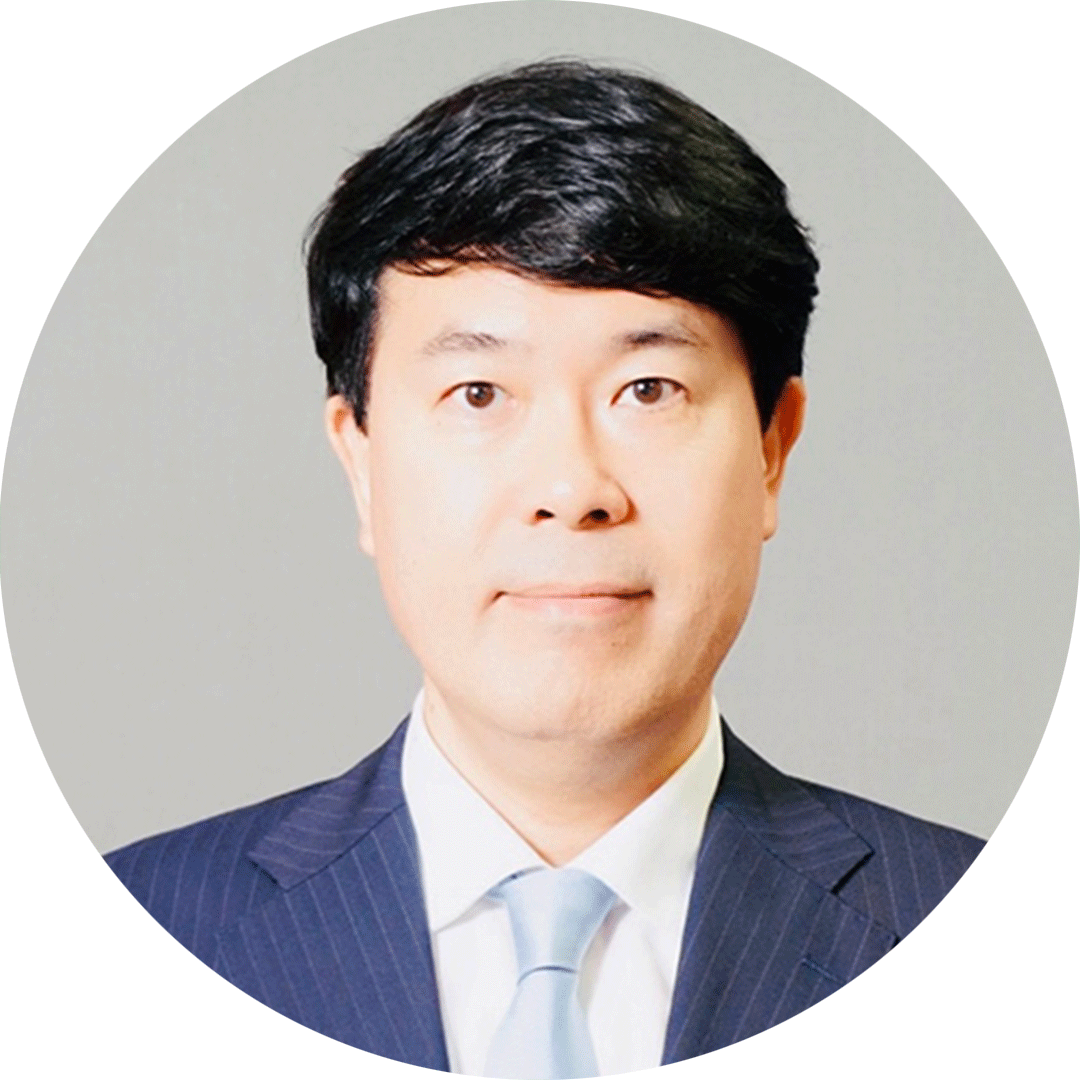
|
Masanori Kobayashi
Chief Economist for Infrastructure Policy, Ministry of Land, Infrastructure, Transport and Tourism, Japan |
|---|
|
|
Kjersti Lund
Chief Executive Officer, Gehl |
|---|
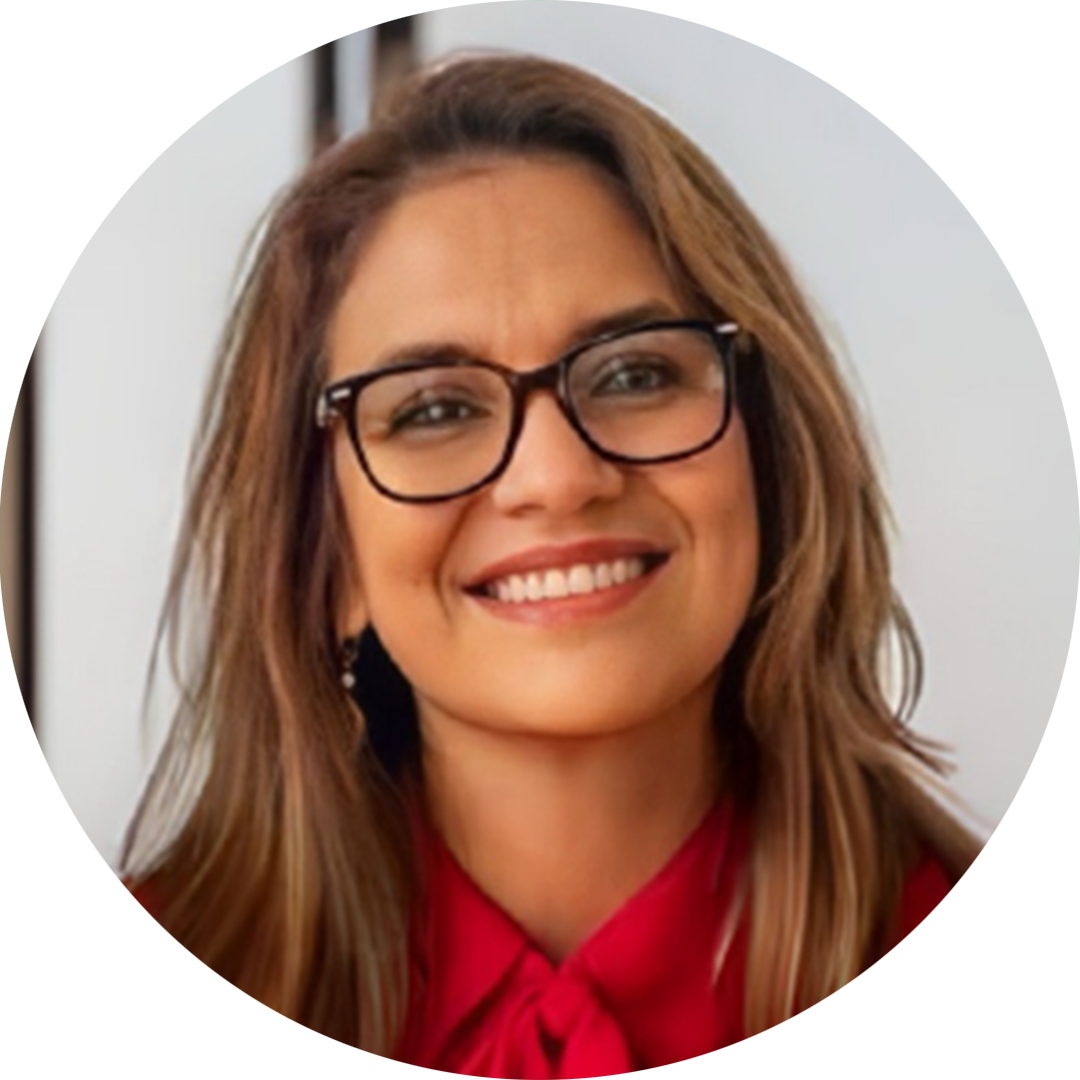
|
Vanessa Velasco Bernal
Secretary of Habitat, Bogotá |
|---|
Closing Remarks, Co-moderator
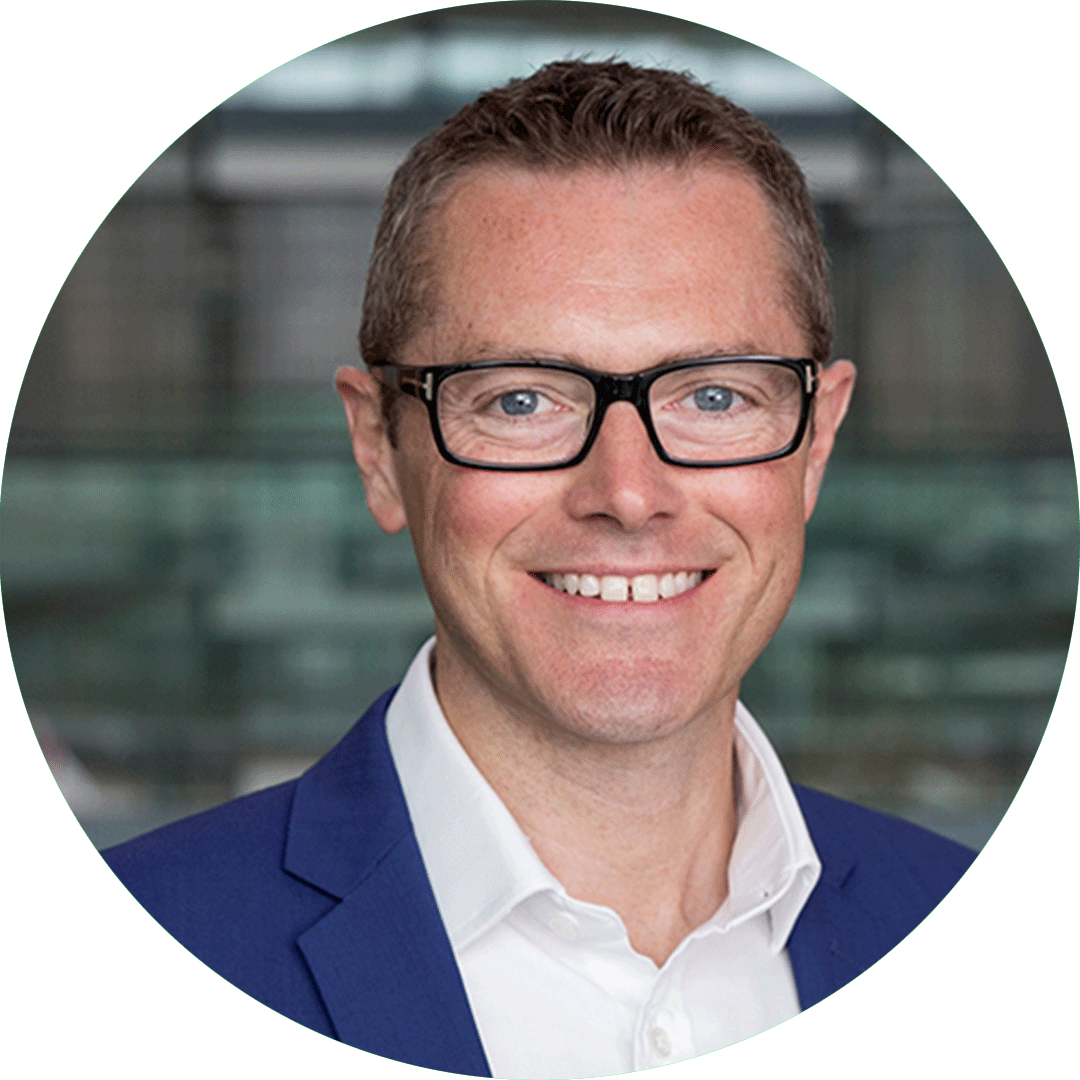
|
Steven Lewis
Global Head of Insight and Global Head of Research, Real Estate Management Services, JLL |
|---|
HDB Session – Revitalising Cities for Inclusive, Sustainable Communities
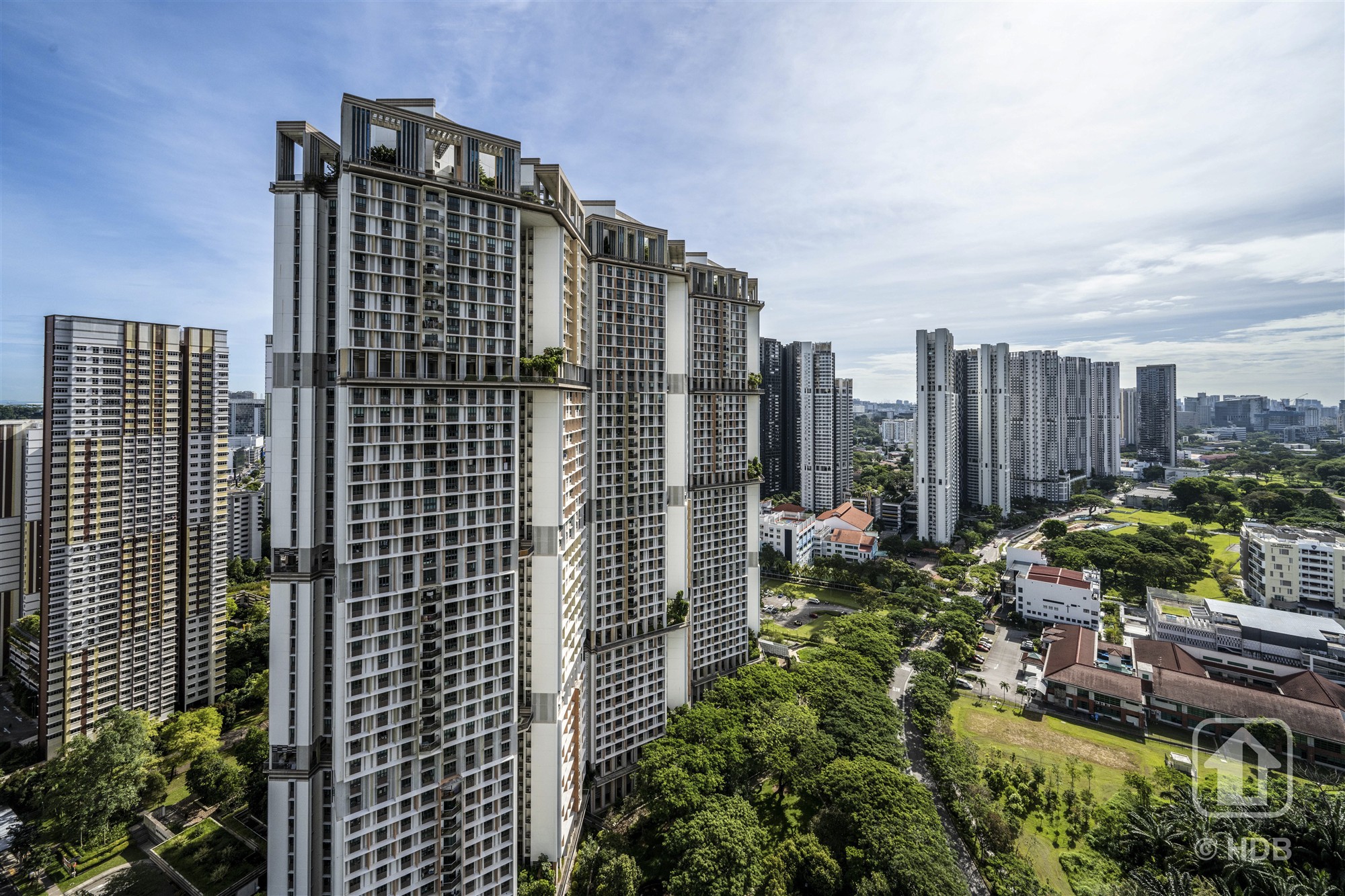
Led by the Housing & Development Board, Singapore
As cities worldwide contend with ageing infrastructure, the need to revitalise, rejuvenate, and reimagine urban estates becomes imperative – especially amidst rising climate threats, increasing density, and demographic shifts. This session addresses the multifaceted challenges of ageing infrastructure. From the physical degradation of buildings to the evolving needs of diverse and ageing populations, we explore how cities are tackling infrastructure renewal through innovative approaches.
Discussions will cover strategies for rejuvenating estates for energy efficiency, climate resilience and accessibility, the use of digital tools for predictive maintenance and estate renewal, and holistic approaches that integrate sustainable design with community wellbeing. Through case studies from Singapore and other leading cities, speakers will share practical insights on transforming existing estates and neighbourhoods into inclusive, resilient, sustainable and liveable communities for all ages and abilities.
Opening Keynote
|
Sun Xueling
Senior Minister of State, Ministry of National Development & Ministry of Transport, Singapore |
|---|
Moderator
|
Fong Chun Wah
Deputy Director and Practice Professor, NUS Cities, National University of Singapore |
|---|
Panel Speakers
|
Omar Al-Rawi
Committee Chair for Urban Development, Mobility and Public Services; Member of the Vienna Municipal Council |
|---|
|
Klaas Verschuure
Deputy Mayor for Urban Development, The Hague |
|---|
|
Chin Hua Choo
Group Director (Design Development), Housing & Development Board, Singapore |
|---|
|
Jia Xin Chum
Regional Director for Landscape APAC, Henning Larsen |
|---|
|
Tan Szue Hann
Director, ESG Strategy, Fund Management & Investment, Keppel Ltd |
|---|
UNDP Session - Safe and Inclusive Cities: Advancing Gender-Responsive Urban Futures
Led by United Nations Development Programme (UNDP)
Cities are often planned, governed, and financed around a “default male” norm, creating environments that inadequately address women's safety, mobility, and participation. These inequalities affect public spaces, transport, and governance, impacting social inclusion and urban resilience. To celebrate and advance inclusive leadership, a dedicated UNDP session will spotlight how mayors and city leaders are advancing safer, more inclusive cities through gender-responsive governance.
The session focuses on measurable urban outcomes, showcasing practical innovations spanning policy reforms, urban design, service delivery, and financing that address women's safety, improving mobility, and strengthening care-sensitive systems. The discussion will explore how cities are using data, digital tools, and citizen-generated inputs to make the female lived experiences visible and actionable in planning and budgeting processes. It will conclude with concrete takeaways for scaling gender-responsive solutions across cities.
Opening Remarks
|
Diana Torres
Governance Team Leader, UNDP |
|---|
Keynote Speaker
|
Elisabeth Belpaire
President of the International Society of City and Regional Planners (ISOCARP) |
|---|
Moderator / Closing Remarks
|
Sudha Gooty
Senior Regional Advisor on Gender, UNDP |
|---|
Panel Speakers
|
Josefina Belmonte
Mayor of Quezon City |
|---|
|
Ratna Delia Octaviana
Associate Director (Urban Planning), Ramboll |
|---|
|
Sally Capp AO
Vice-Chancellor's Fellow, University of Melbourne, Former Lord Mayor of Melbourne |
|---|
|
Sumbul Siddiqui, Esq.
Mayor of Cambridge, Massachusetts |
|---|
|
Cordula Oertel
Head of Partnerships Google Maps, Google |
|---|
CLC Session – Urban Indices: Are Cities Measuring Up?
Cities are regularly ranked and compared through indices—from quality of life to smart city readiness and environmental performance. These results often shape global perceptions of liveability and can influence decisions relating to tourism and talent attraction.
But do these indices truly capture what makes cities work? Each city’s context is unique—so how should cities interpret rankings and use the findings to inform policies and action? Is there a value in chasing such global rankings and benchmarks?
This interactive session brings together city stakeholders and prominent index houses to discuss the role of indices and how cities can harness them for meaningful outcomes. The session will also feature the launch of the new Global Urban Governance Initiative – Shenzhen Urban Index.
Moderator
|
Frederick Teo
Chief Executive Officer, GenZero |
|---|
Keynote Speaker
|
Liang Shan
Director, Shenzhen Urban Planning & Land Resource Research Center |
|---|
Panel Speakers
|
|
Nicholas Reece
Lord Mayor of Melbourne |
|---|
|
Abbye Feeley
Administrator for Development and Economic Opportunity, Tampa, Florida |
|---|
|
Chris Fair
President, Resonance |
|---|
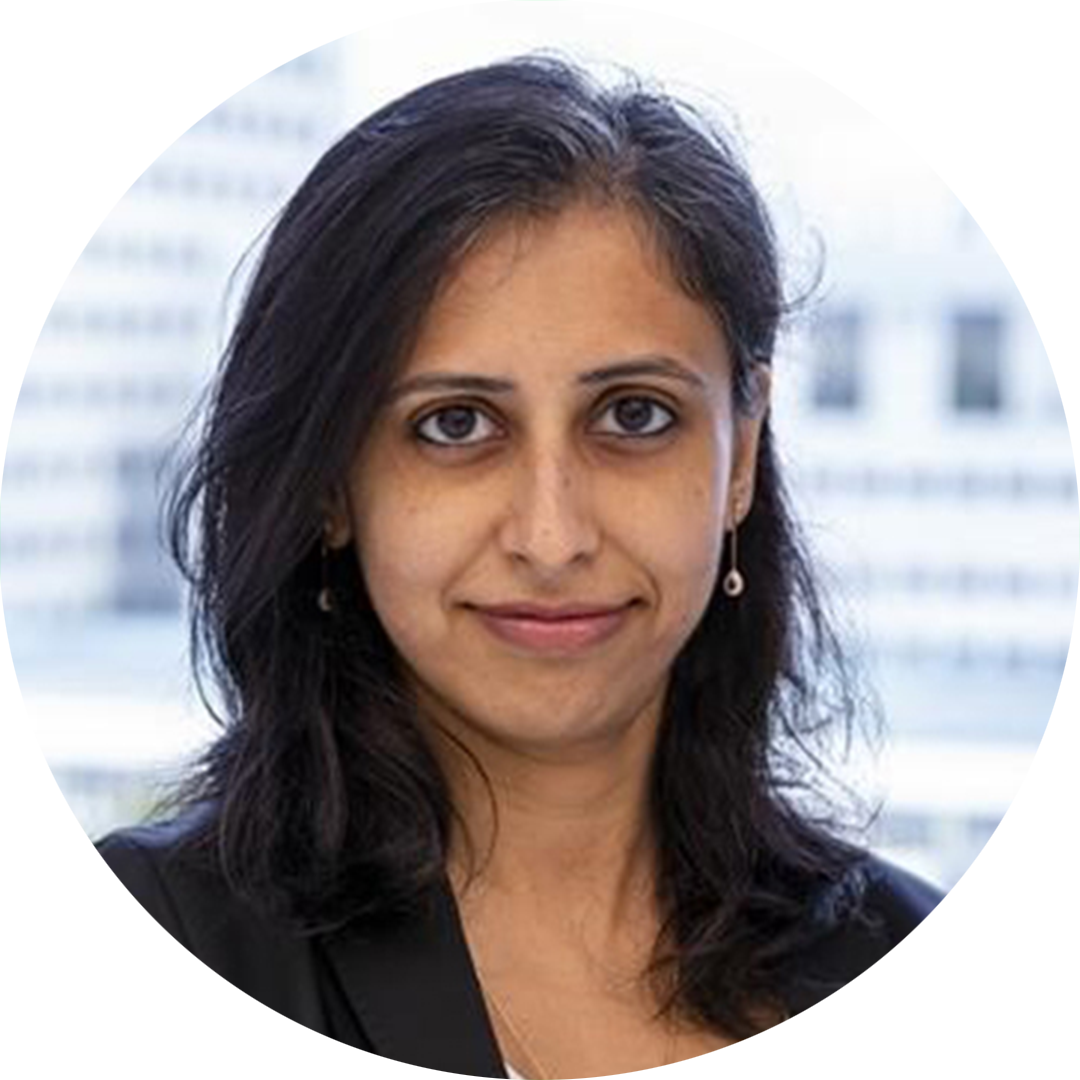
|
Shruti Rathore
Advisory Leader Singapore and Malaysia, Arup |
|---|
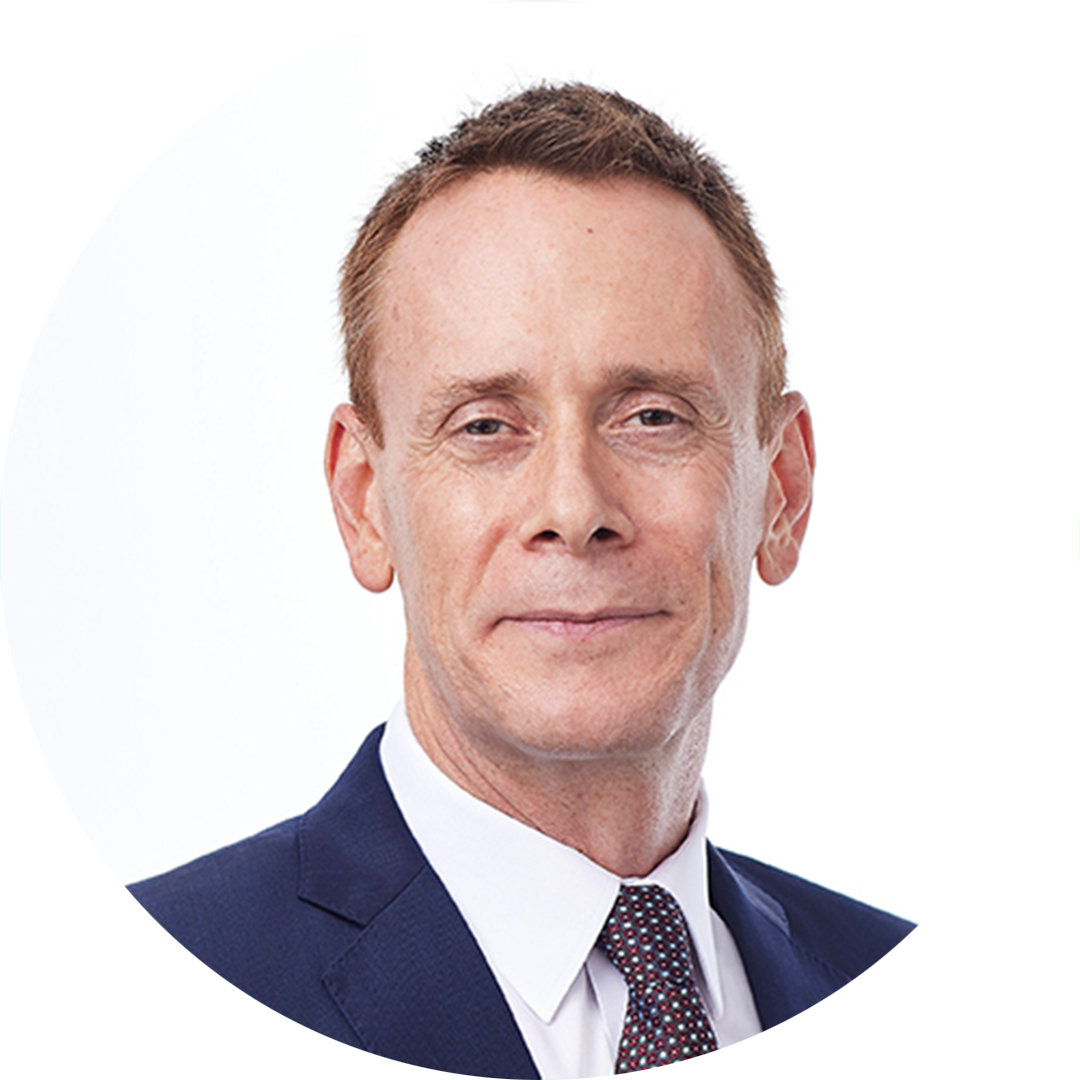
|
Ben Simpfendorfer
APAC Head, Oliver Wyman Forum, Oliver Wyman |
|---|
|
Cheryl Sekkappan
Editor, Singapore and Asia, Time Out |
|---|
URA Session – Urban Leaders Roundtable - Shaping the future of cities: Who are we really building for?
Led by Urban Redevelopment Authority, Singapore
Cities face a paradox: the decisions made in the next decade will shape urban life for generations, yet the pressures of today — climate change, ageing populations, cultural displacement, and rapid development — demand immediate action. This roundtable brings together urban leaders from Singapore, London, Sydney and Tokyo to explore how their cities are translating long-range vision into tangible, human-centred outcomes. The roundtable examines how the cities are designing not just for today's residents but for those yet to come.
Moderator
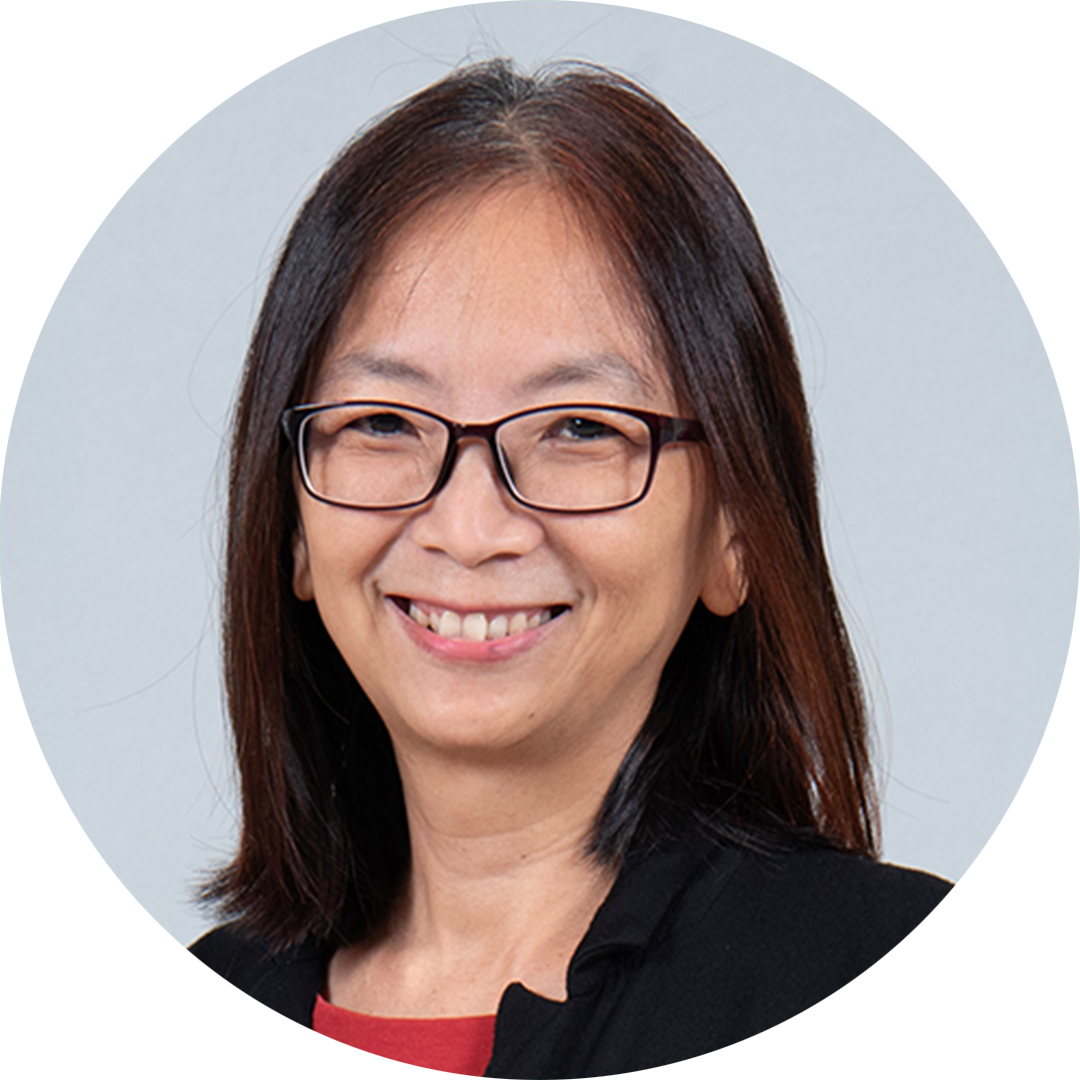
|
Adele Tan
Deputy Chief Executive Officer & Chief Planner, Urban Redevelopment Authority, Singapore |
|---|
Panel Speakers
|
Gwyn Richards
Planning and Development Director, City of London Corporation |
|---|
|
Bridget Smyth
City Architect/ Executive Manager City Design and Public Art, City of Sydney |
|---|
|
Kurihara Toshio
Senior Director, Tokyo Metropolitan Government |
|---|
Metropolis Masterclass – Future-Ready Cities: An Immersive Introduction to Urban Foresight
Led by the World Association of the Major Metropolises
Cities today face accelerating complexity—from climate shocks and demographic shifts to rapid technological disruption and widening inequalities. Strategic foresight gives city leaders a way to move beyond reactive planning, anticipate emerging change, and make confident long-term decisions in the face of uncertainty.
Through a blend of practical instruction, a Singapore-specific case study, and an immersive exploration of urban futures, attendees will learn the core concepts of foresight in a way that feels concrete, creative, and immediately applicable. Built around the Metropolis Foresight Toolkit and developed in collaboration with the UNDP Strategic Foresight Team, the session equips participants with tools they can integrate directly into planning cycles. Participants will leave not only inspired, but empowered with a clear sense of how to apply foresight to shape the future of their own cities.