A Singapore Government Agency Website


Secure websites use HTTPS
Look for a
lock () or https:// as an added precaution. Share sensitive
information only on official, secure websites.
We apologize for any inconvenience caused.
World Cities Summit >
Programme >
WCS Thematic Tracks & Sessions >
Financing for Cities
Financing for Cities

Cities juggle meeting climate goals with economic and social demands. There is an estimated trillion-dollar climate financing shortfall. Green financing and philanthropic sources offer to bridge the funding gap.
How can cities optimise green financing solutions?
Leadership Plenary 1: The $Trillion Question: Why Isn’t Private Capital Flowing to Cities?
Co-curated with Arup
Cities worldwide are setting ambitious targets for resilience, sustainability and liveability. Yet many struggle to translate these ambitions into investable, scalable projects due to misalignment between planning frameworks, policy settings and investment realities.
This plenary addresses how cities can bridge this gap - moving beyond vision-setting to designing projects that attract sustained private capital. It explores how governments and private investors jointly shape urban outcomes, and how policy, regulation and institutional frameworks can either enable or constrain investment.
The discussion will explore the importance of embedding commercial realism into planning, including clearer risk allocation, bankable project structures, and realistic expectations of private capital. It will demonstrate how cities can unlock progress by reconfiguring institutional and regulatory settings, rather than relying solely on public funding. Through practical examples across sectors such as housing, infrastructure and asset repurposing, it will examine trade-offs between resilience, affordability and returns—and identify pathways to deliver legacy outcomes that are both impactful and investable.
Keynote Speaker
|
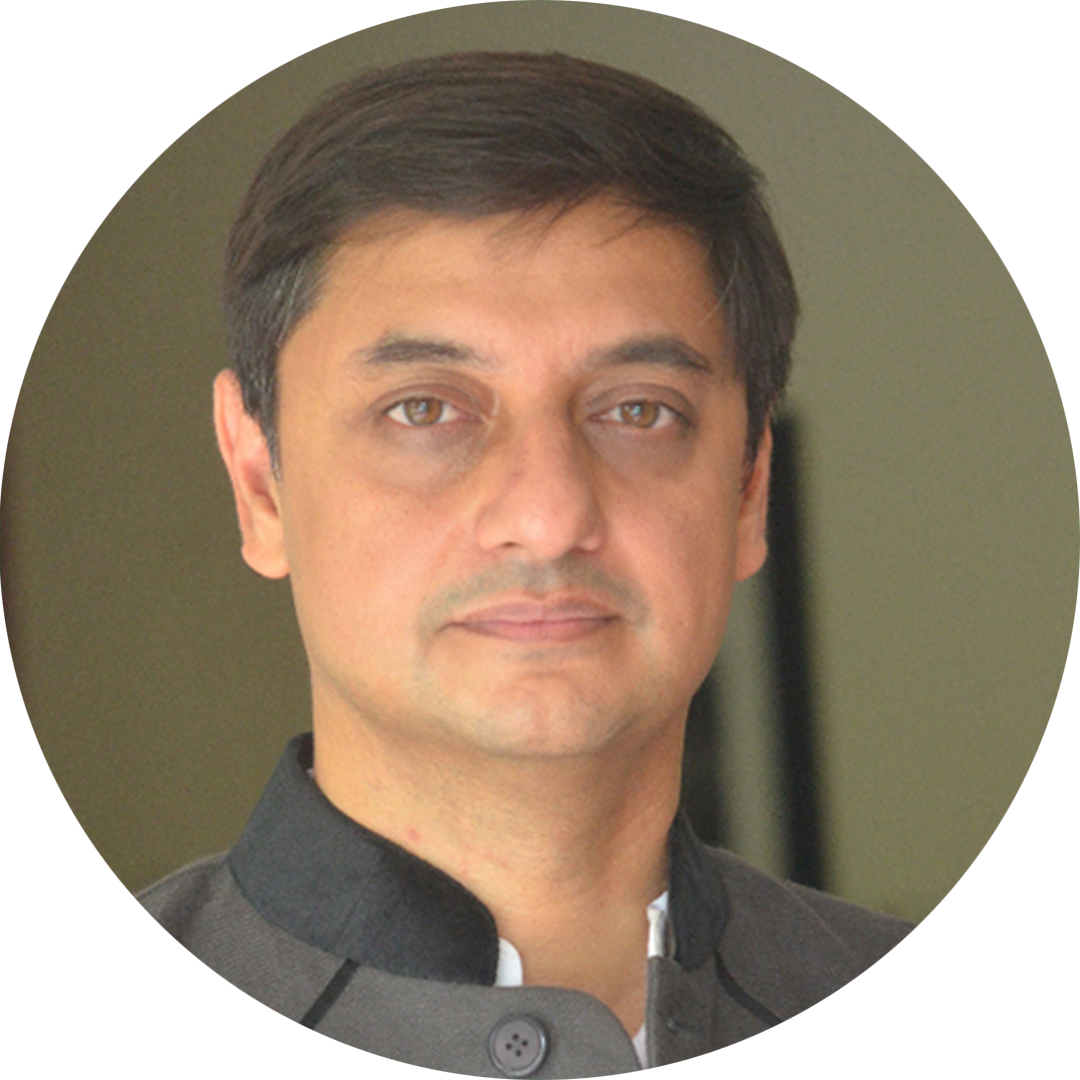
Sanjeev Sanyal
Member, Economic Advisory Council to the Prime Minister (EAC-PM) |
|---|
Panel 1
Moderator
|
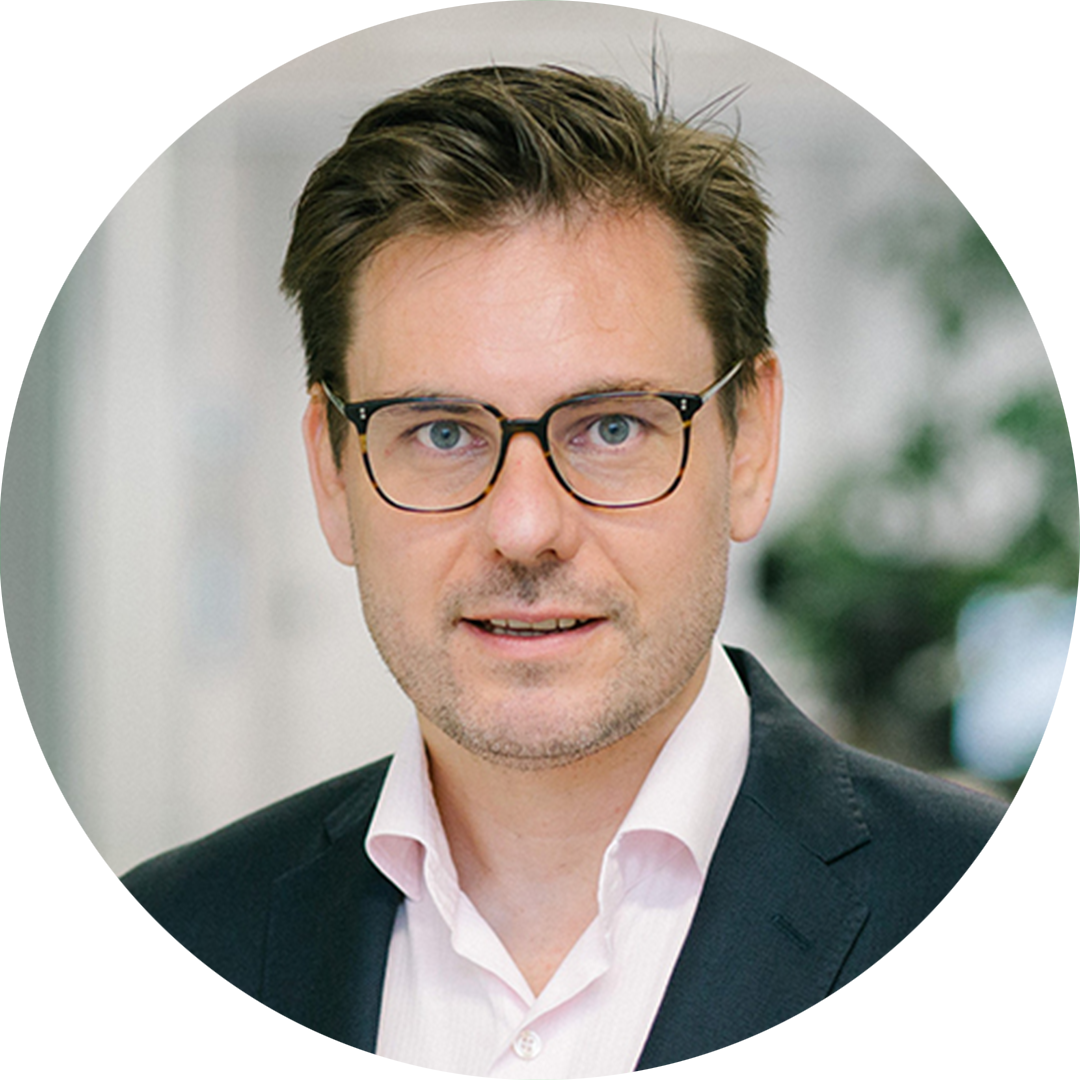
Andy Hodgson
Global Advisory Services Leader, Arup |
|---|
Panel Speaker
|
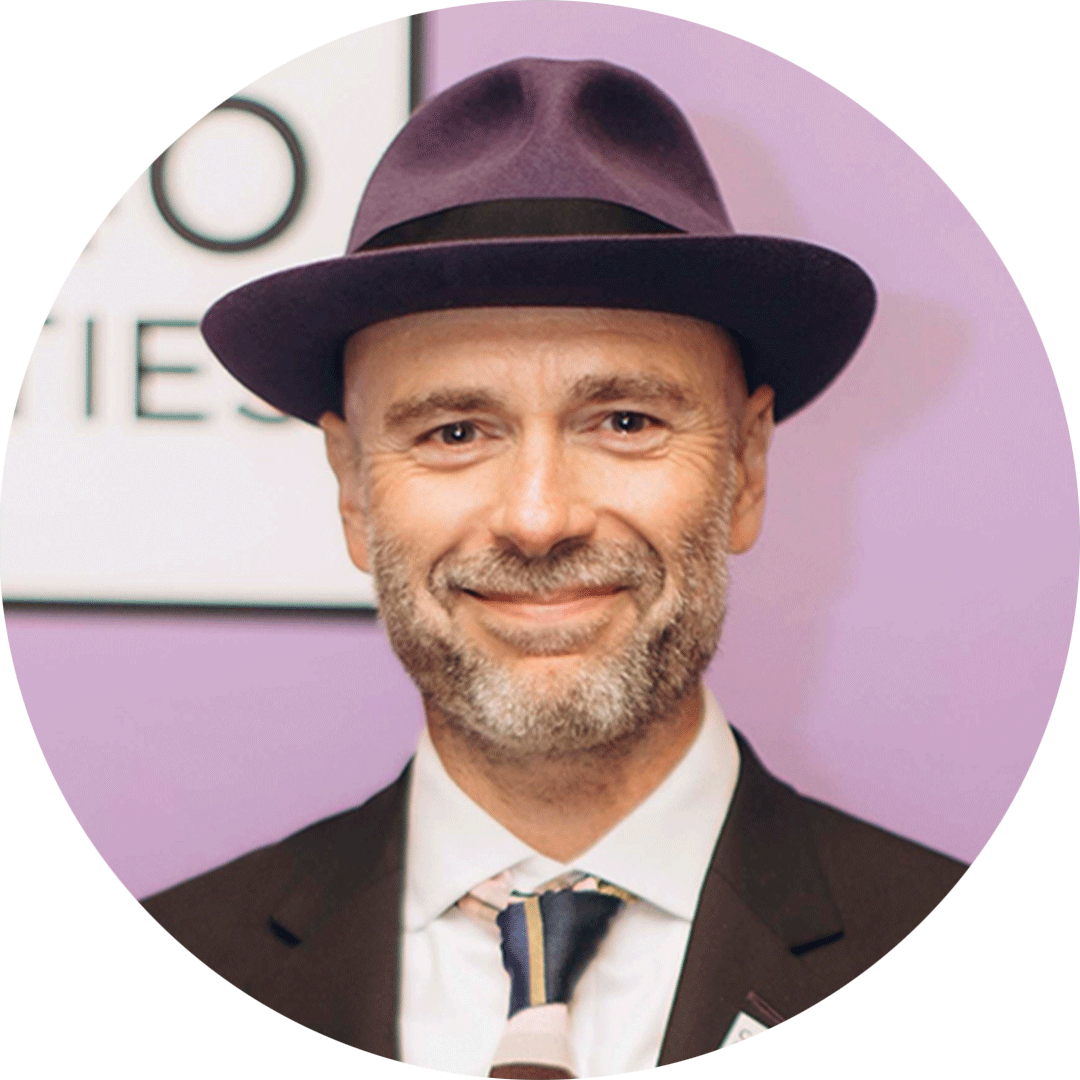
Mark Watts
Executive Director, C40 Cities |
|---|
|
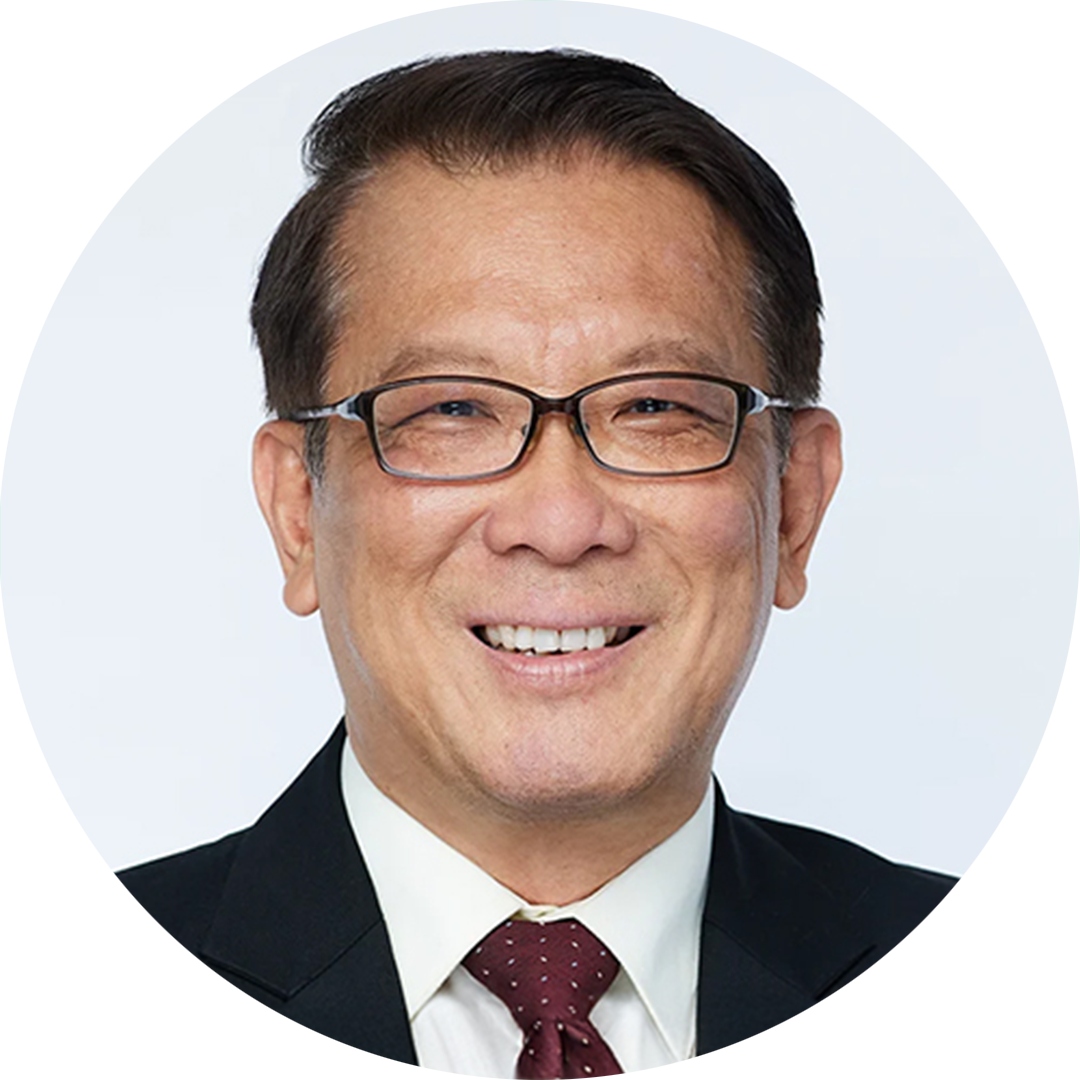
Benedict Cheong
Chief Systems Integration Officer, Temasek Trust |
|---|
|
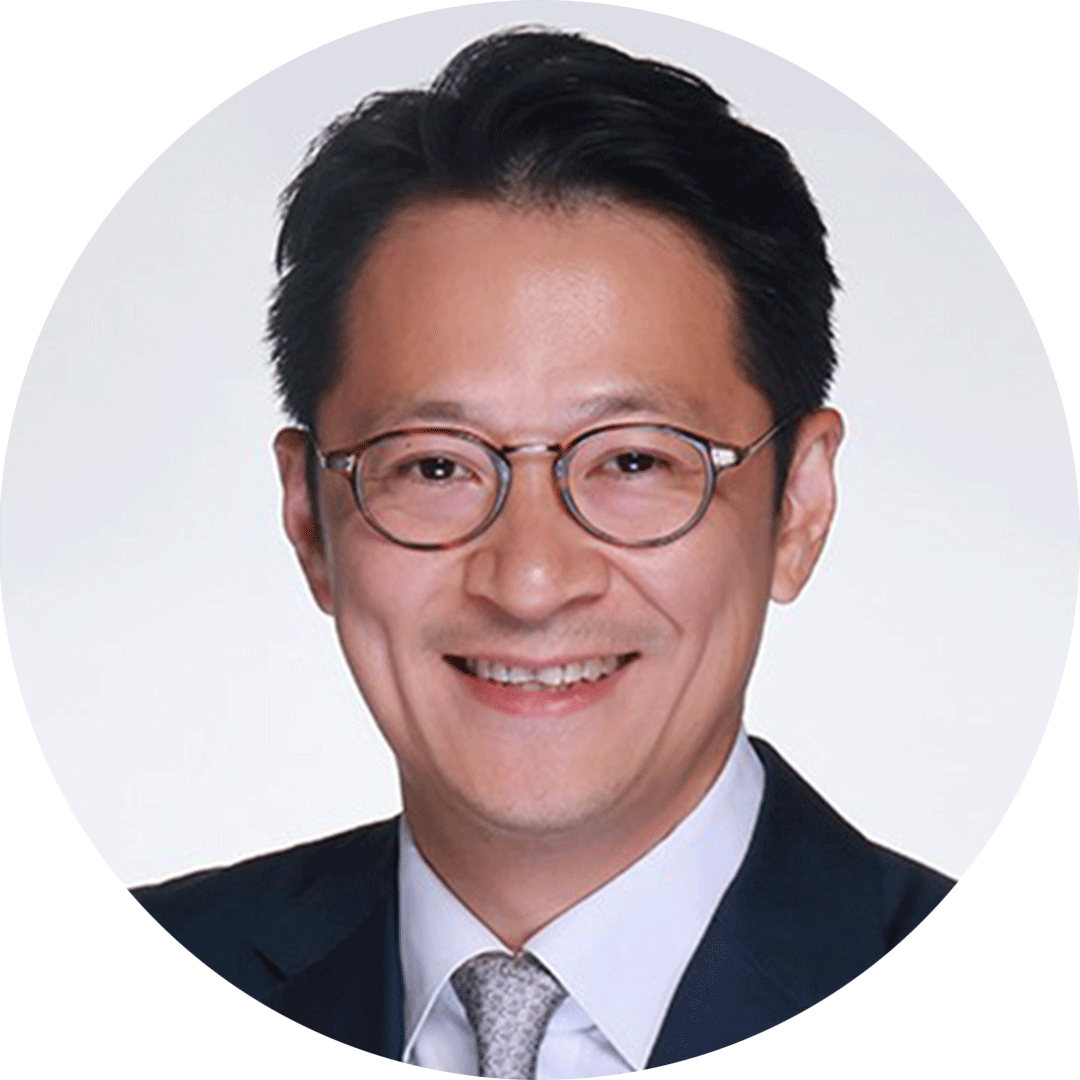
Andrew Lee
Director, BlackRock Private Markets |
|---|
|
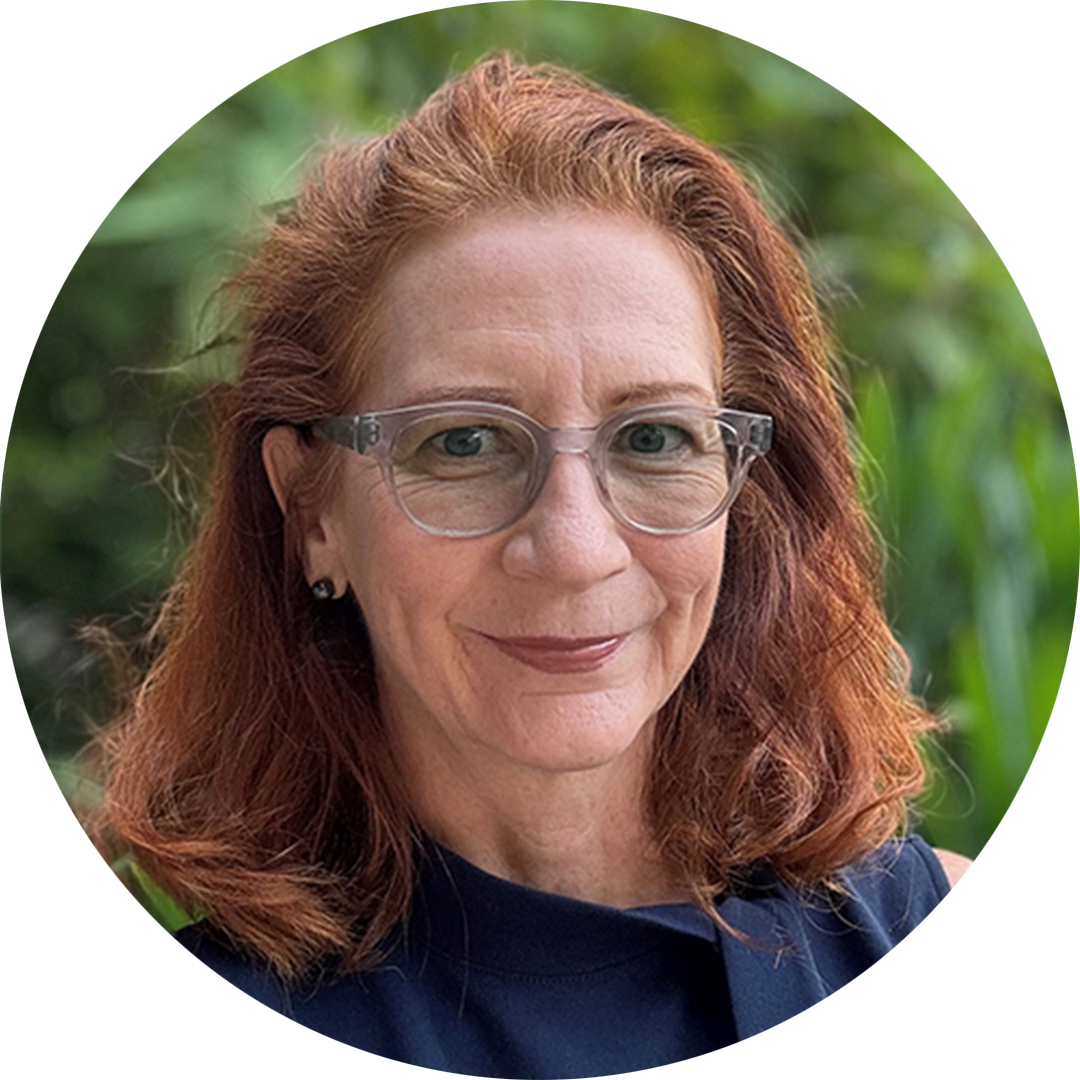
Nikki Kemp
Executive Director of the Singapore Green Finance Centre, |
|---|
Panel 2
Moderator
|
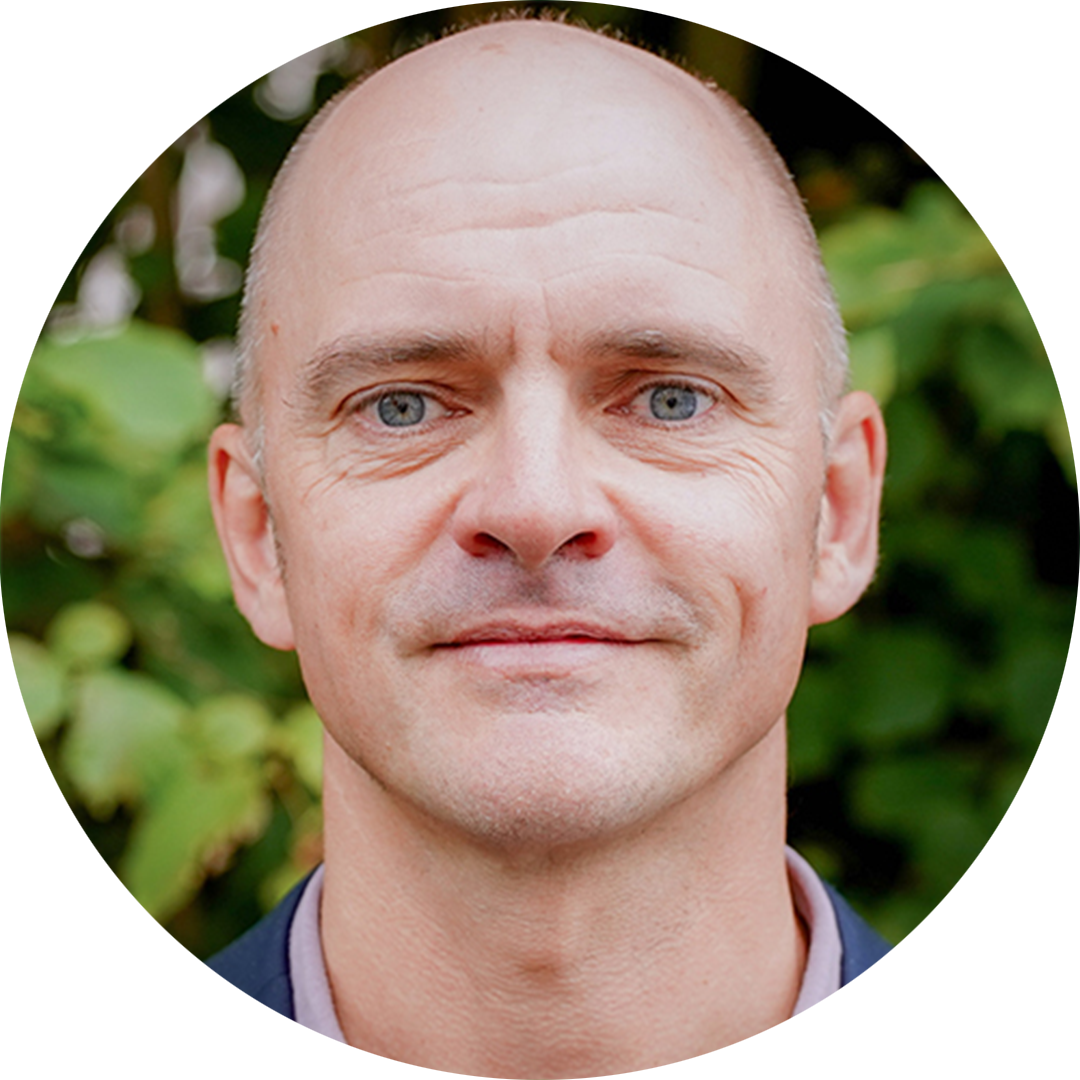
Rogier Van Den Berg Global Director WRI Ross Center for Sustainable Cities |
|---|
Panel Speaker
|
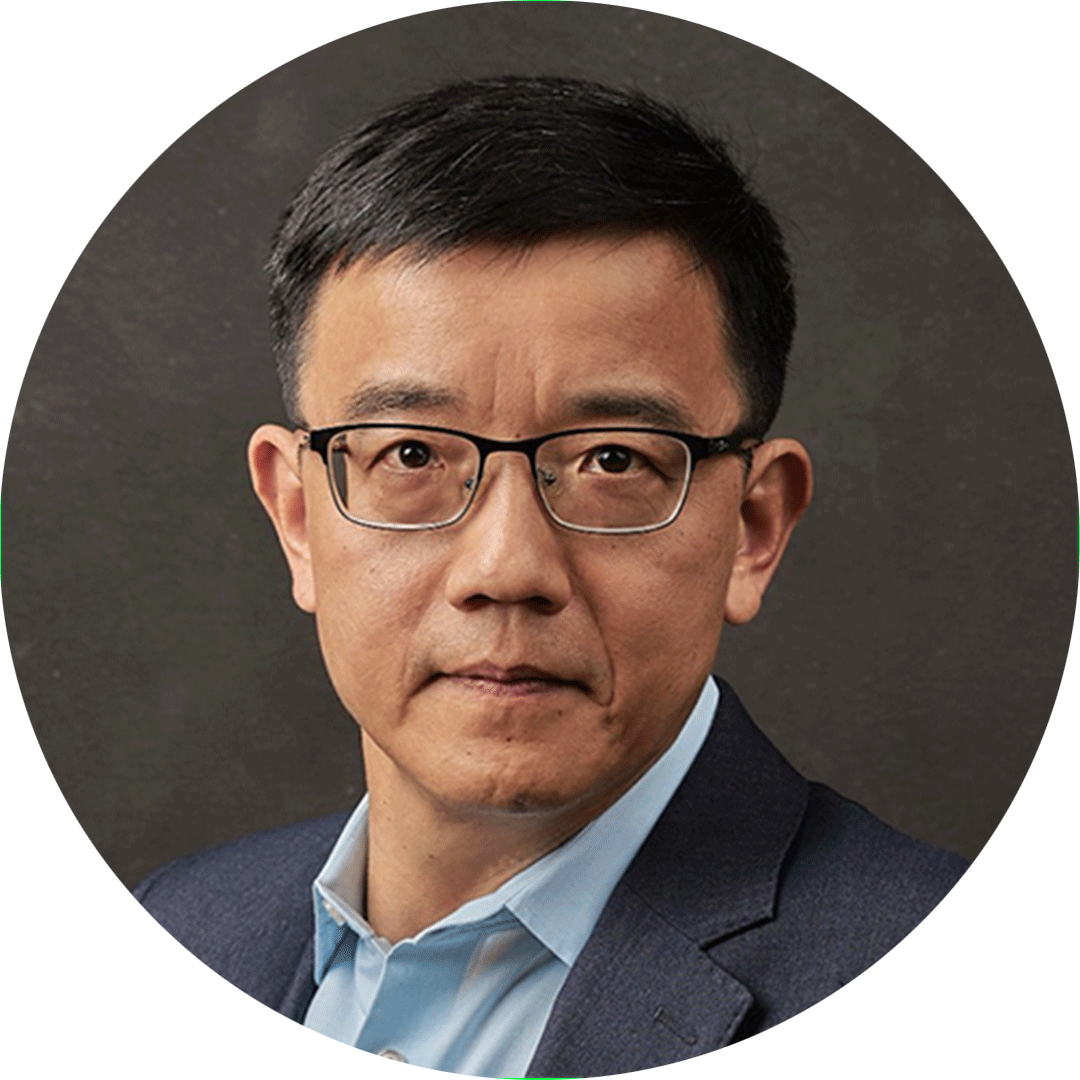
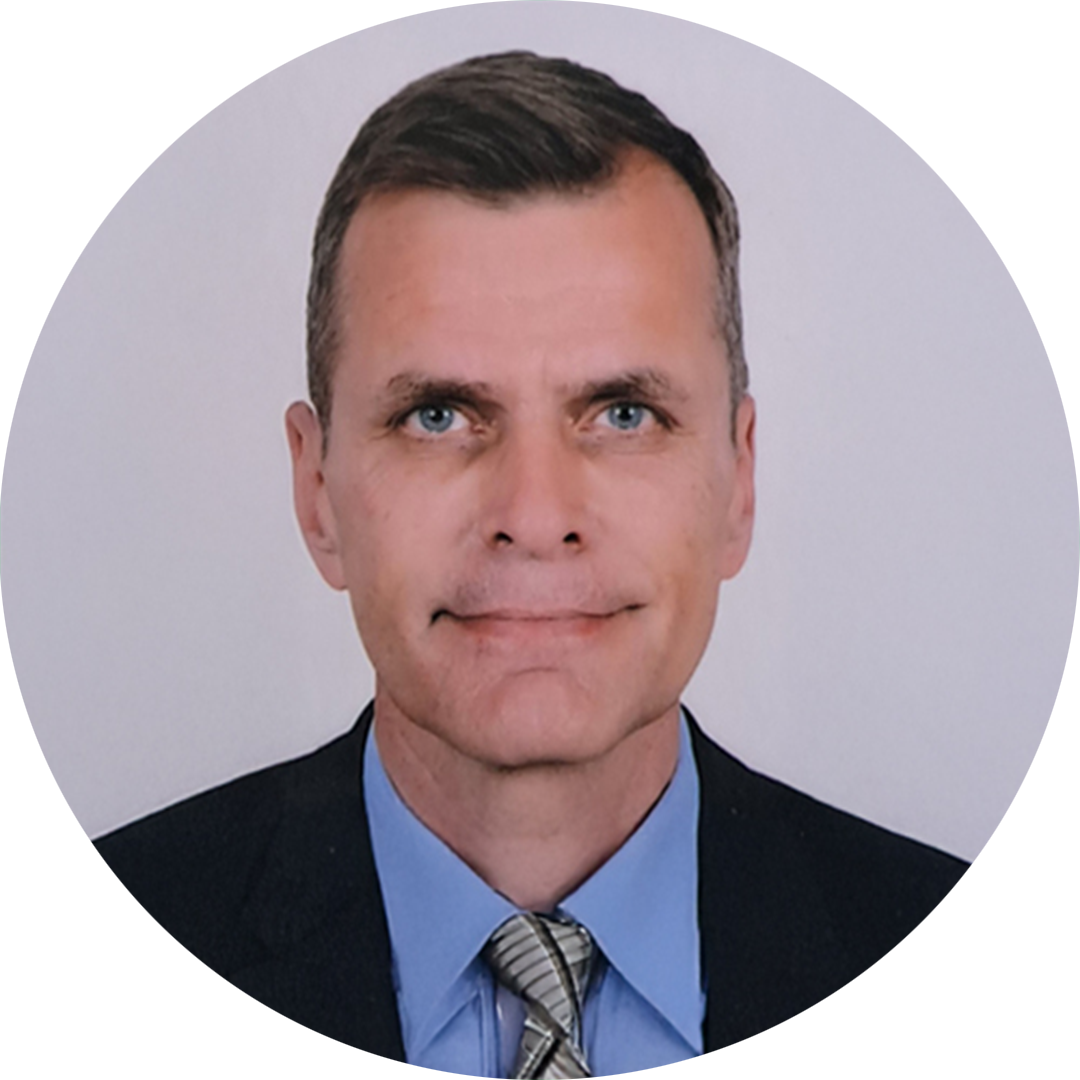
Ming Zhang
Global Director for Urban, Resilience and Land Global Department (URL), World Bank |
|---|
|
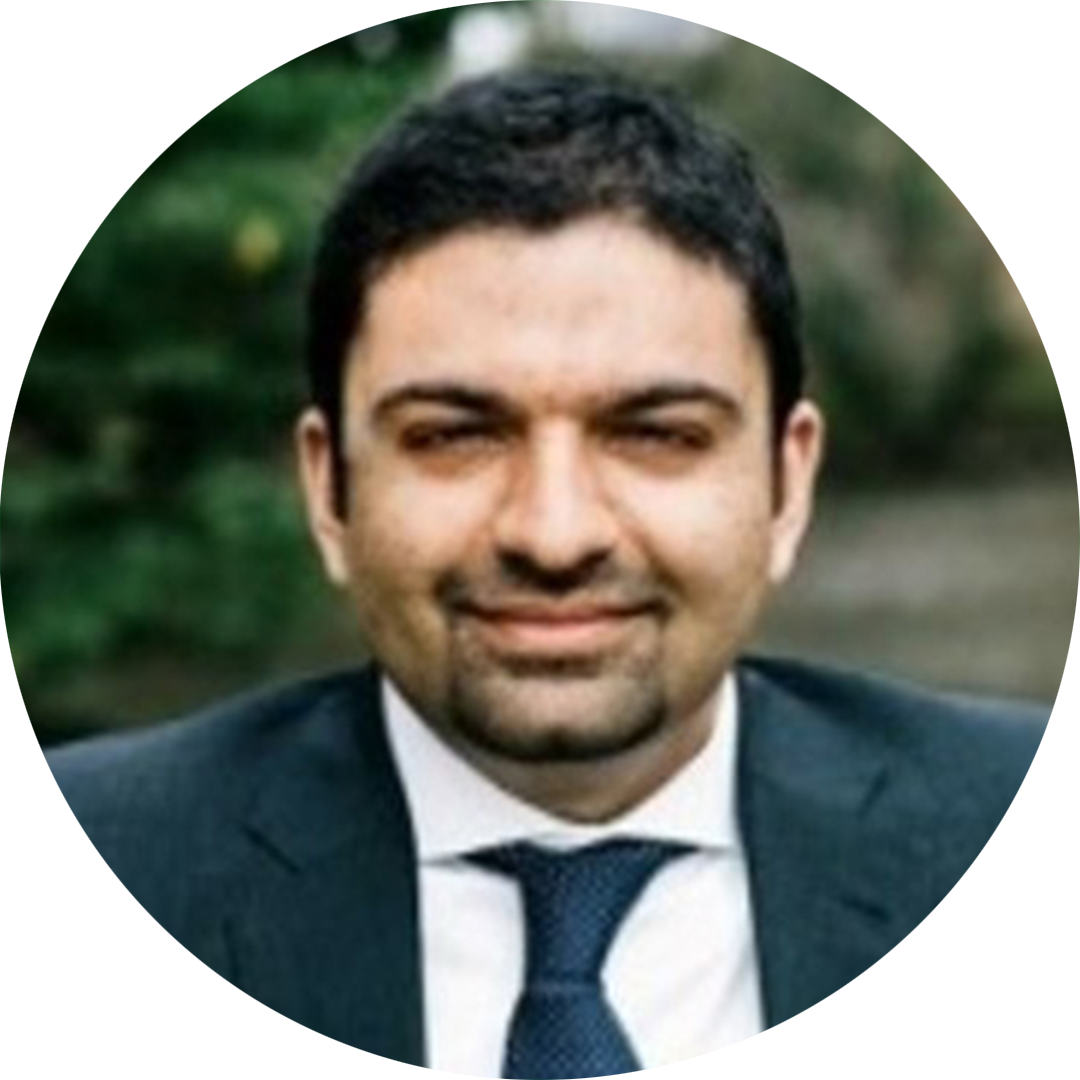
Andreas Roettger
First Counsellor, The Delegation of the European Union to Thailand |
|---|
|
Gaurav Ahuja
Principal, Investor Advisory, Arup |
|---|
WBG Session – Financing Resilient Cities: Lessons from the World Bank
Led by World Bank Group (WBG)
Financing Resilient Cities: Lessons from the World Bank will explore practical approaches to bridging the urban infrastructure financing gap and strengthening city resilience. Drawing on World Bank expertise and global operations in East Asia, the Pacific, and South Asia, the session will highlight innovative financing solutions, climate adaptation strategies, and institutional approaches that enable cities to build resilient and sustainable urban systems.
Featuring insights from the World Bank’s Global Director for Urban, Resilience and Land, Practice Managers, technical experts, and city representatives, the townhall-style session will combine high-level perspectives, project experiences, and audience engagement. Participants will gain actionable lessons from flagship reports, including Unlocking Subnational Financing and Banking on Cities, and from salient cases that demonstrate how governments and development partners can mobilize resources and scale resilient urban development.
Moderator
|
|
Ming Zhang
Global Director for Urban, Resilience and Land Global Department (URL), World Bank |
|---|
Panel Speaker
|
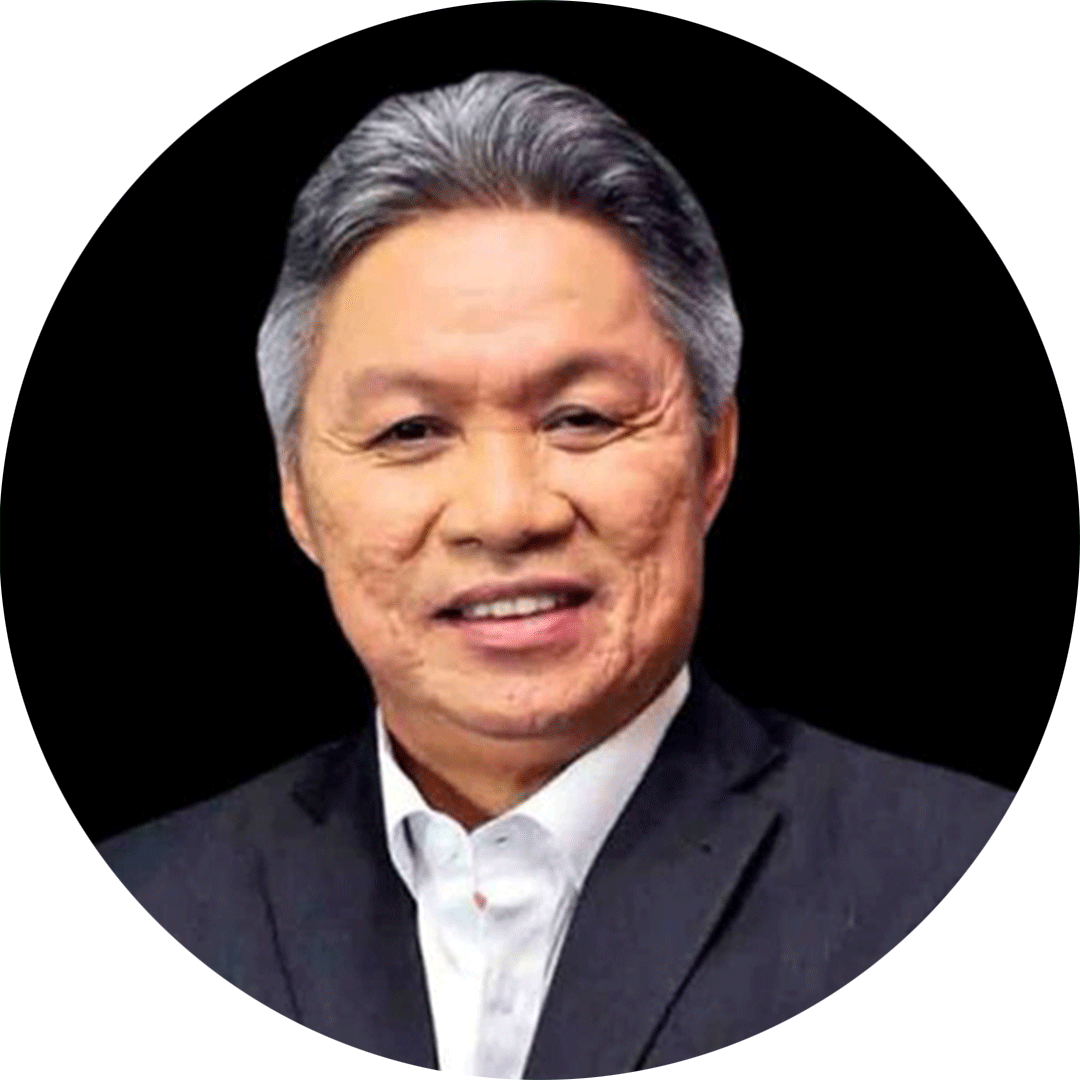
Sabin Samitah
Mayor of Kota Kinabalu City Hall |
|---|

|
Marisol DL Anenias
Undersecretary, Department of Human Settlements and Urban Development |
|---|
|
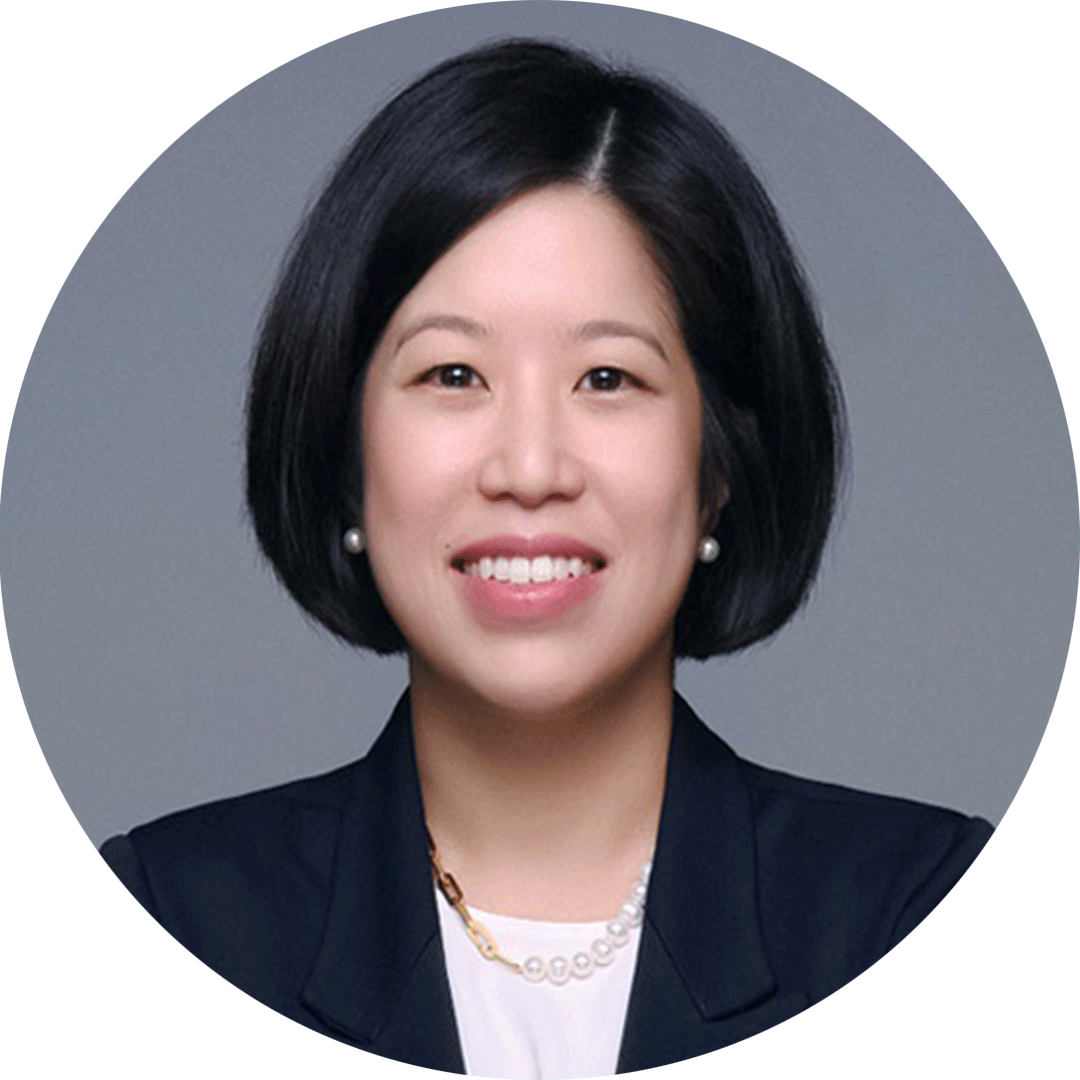
Yoonhee Kim
Practice Manager for Urban, Disaster Risk Management and Land in East Asia Region, World Bank |
|---|
|
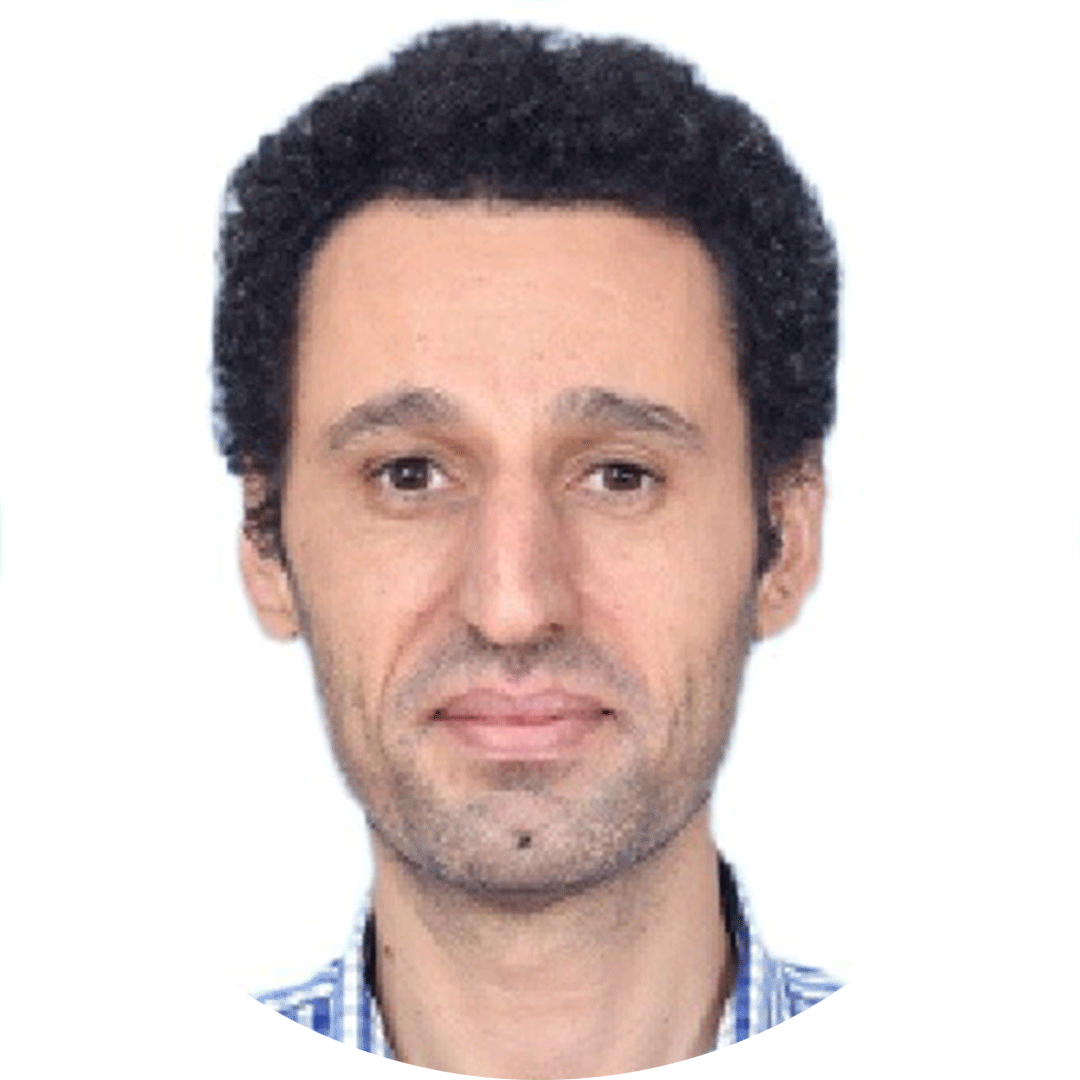
Abed Khalil
Practice Manager, Urban, Resilience, and Land in South Asia Region, World Bank |
|---|
IFC Session – Financing Green Cities and Buildings – Unlocking Capital for City-led Climate Action
Led by International Finance Corporation (IFC)
Cities are drivers of jobs and development in our rapidly urbanizing world. This growth will need investment in green buildings, transport, energy, waste, water, and other urban services. Over half the cost of city climate action plans must mobilize private capital, underscoring the essential role cities play in convening businesses and financial institutions to advance green and resilient infrastructure. IFC, a member of the World Bank Group, is uniquely positioned to help cities and mayors identify and enable investments in sustainable urban development.
This session will showcase cities and corporations that have utilized IFC advisory and investment services—including APEX Cities, EDGE Buildings, and Utilities4Climate. It will offer a practical forum for knowledge sharing, technical exchange, and networking among city representatives and private sector stakeholders to advance the delivery of climate-smart infrastructure.
Keynote Speaker
|
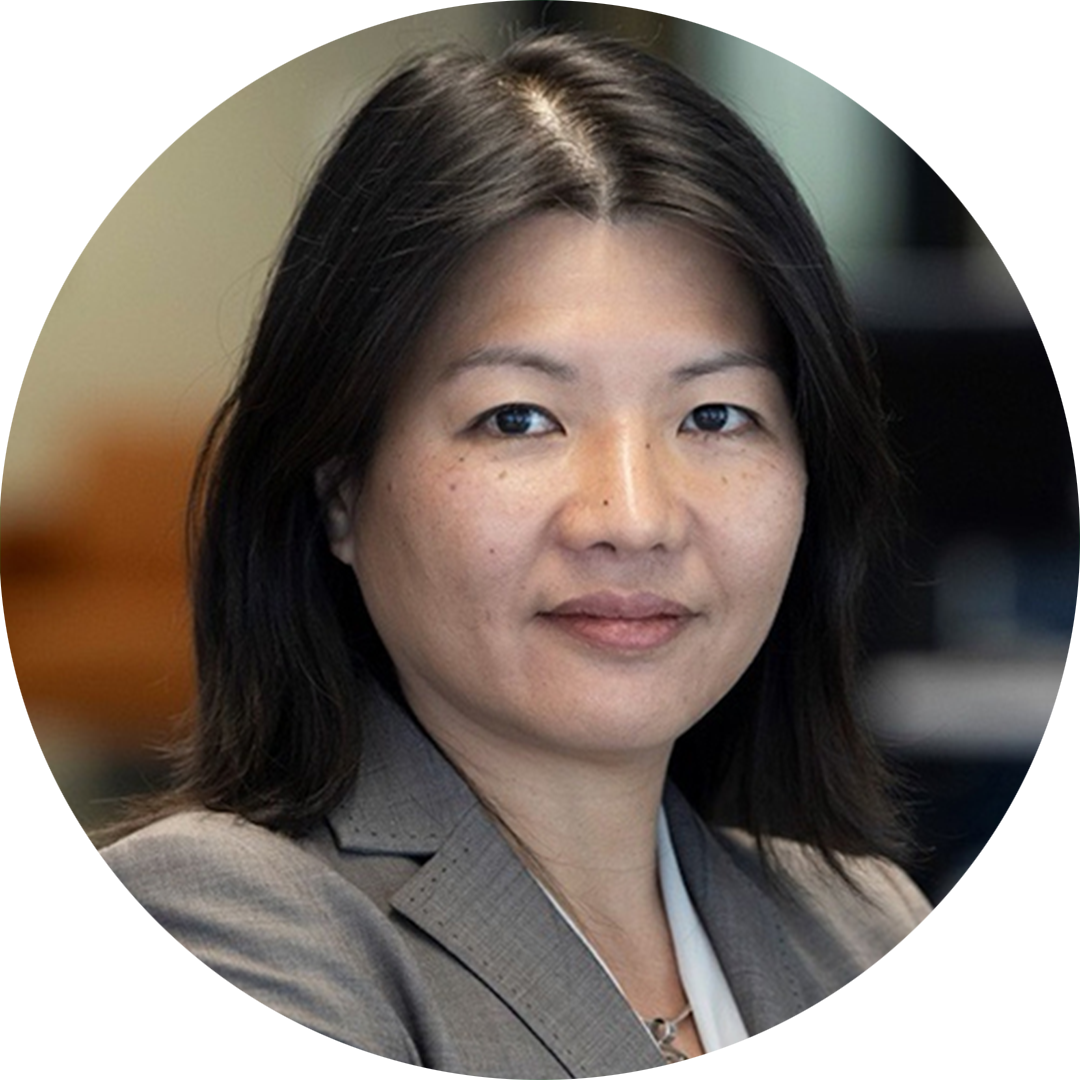
Diep Nguyen-Van Houtte
Senior Manager, Climate Market Building - Solutions & Impact, World Bank Group |
|---|
Moderator
|
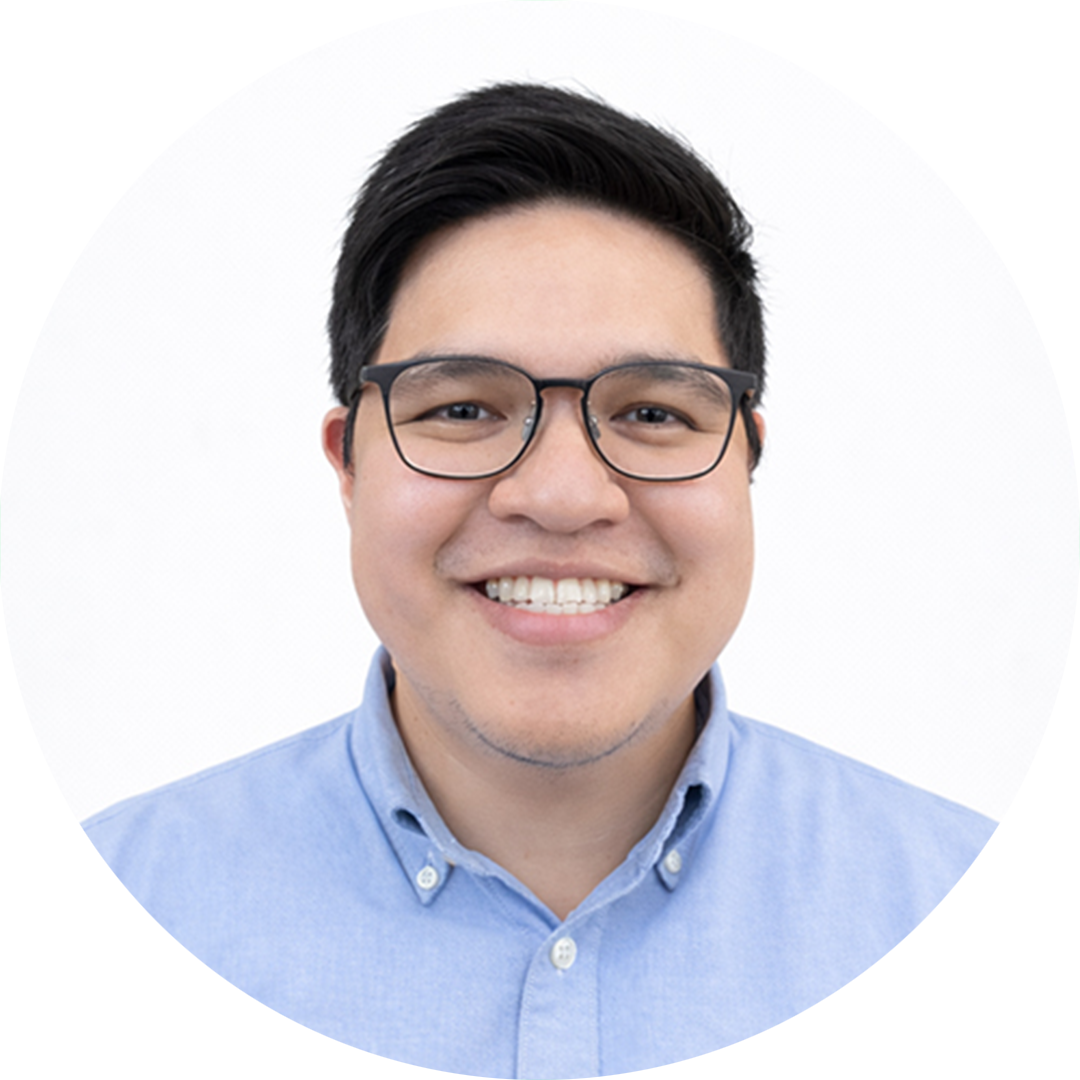
Kelvin Tagnipez
Operations Officer, Cities Engagement Lead, World Bank Group |
|---|
Panel 1
Panel Speaker
|
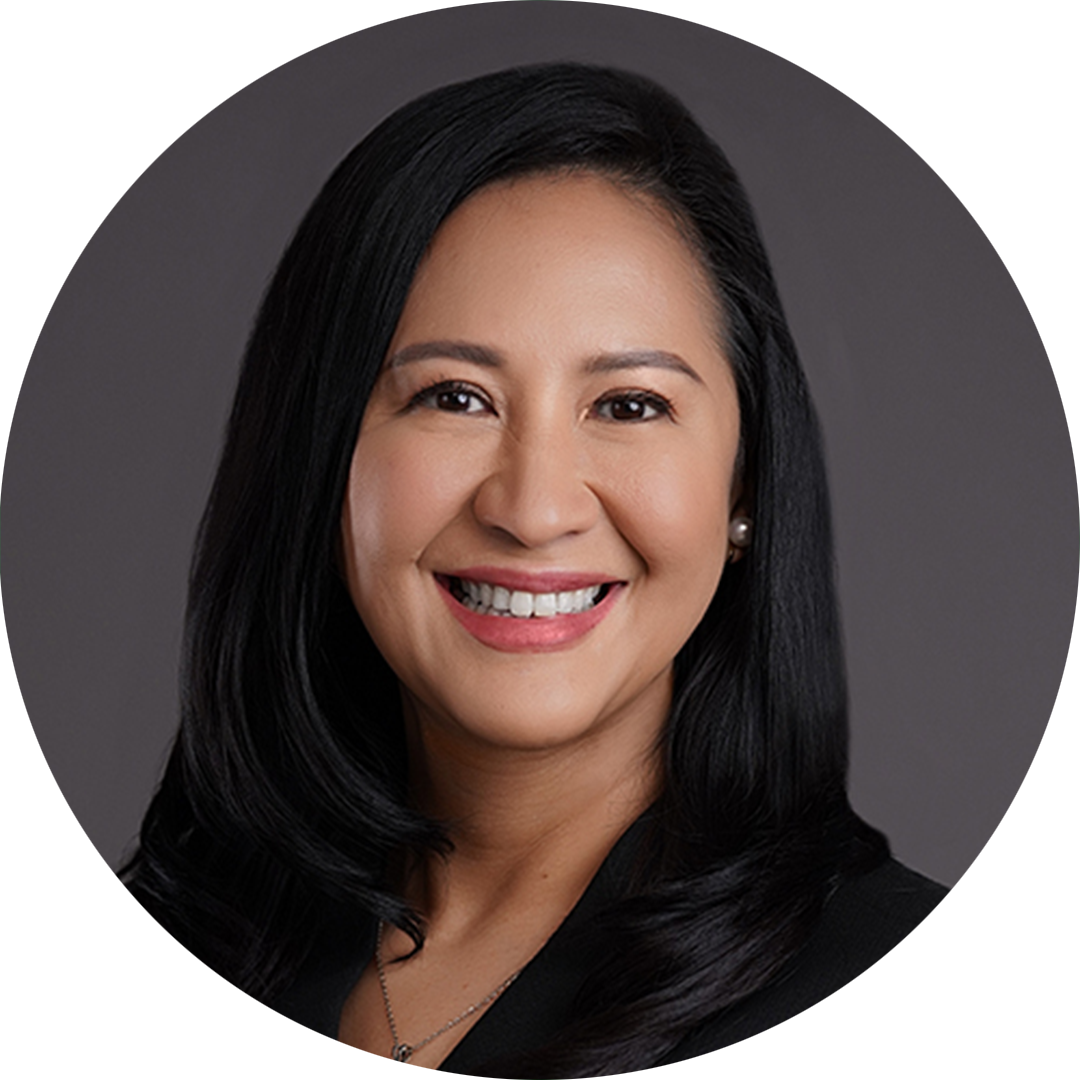
Josefina Belmonte
Mayor of Quezon City |
|---|
|
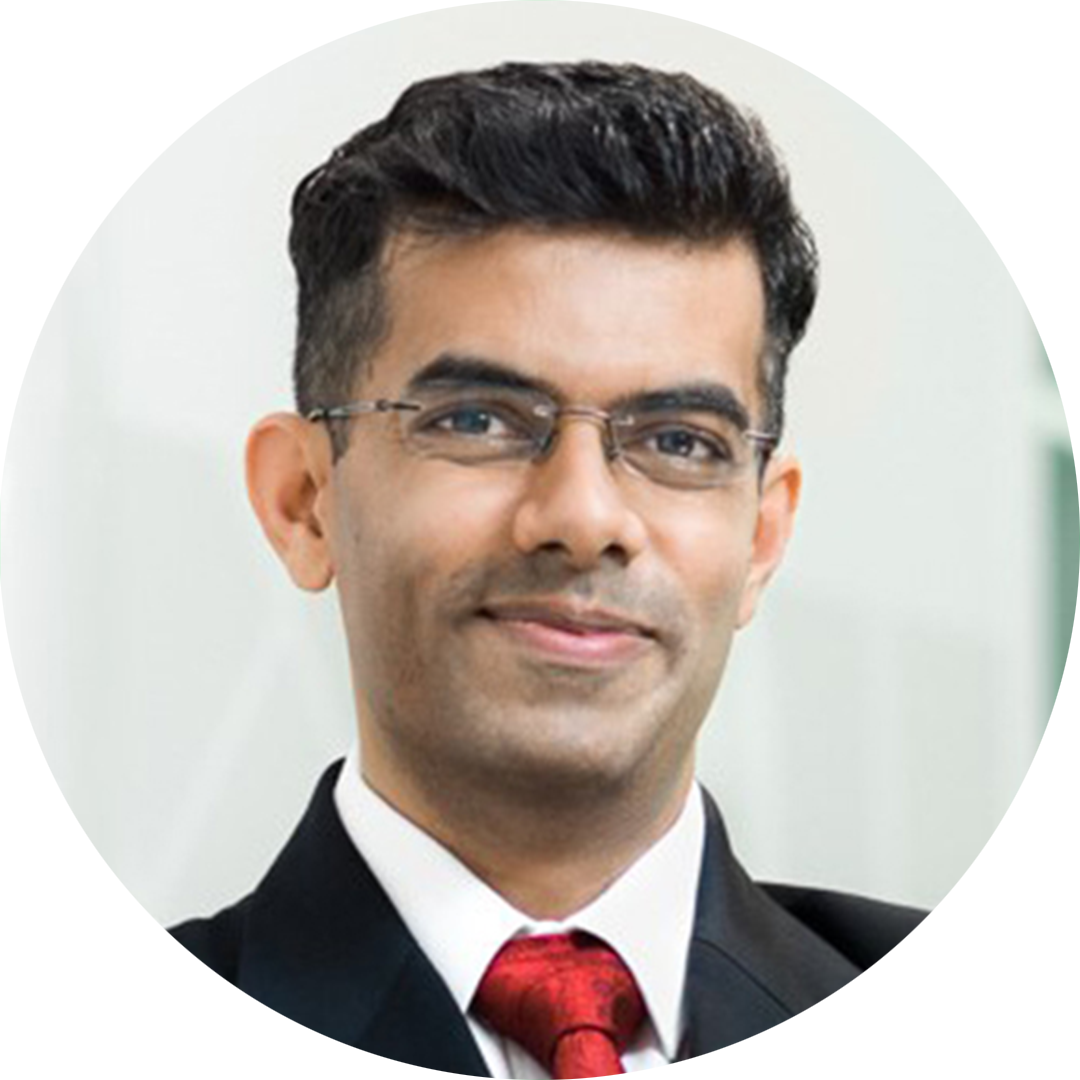
Vinamra Srivastava
Partner & Head of Sustainable Investment, Asia, ERM |
|---|
|
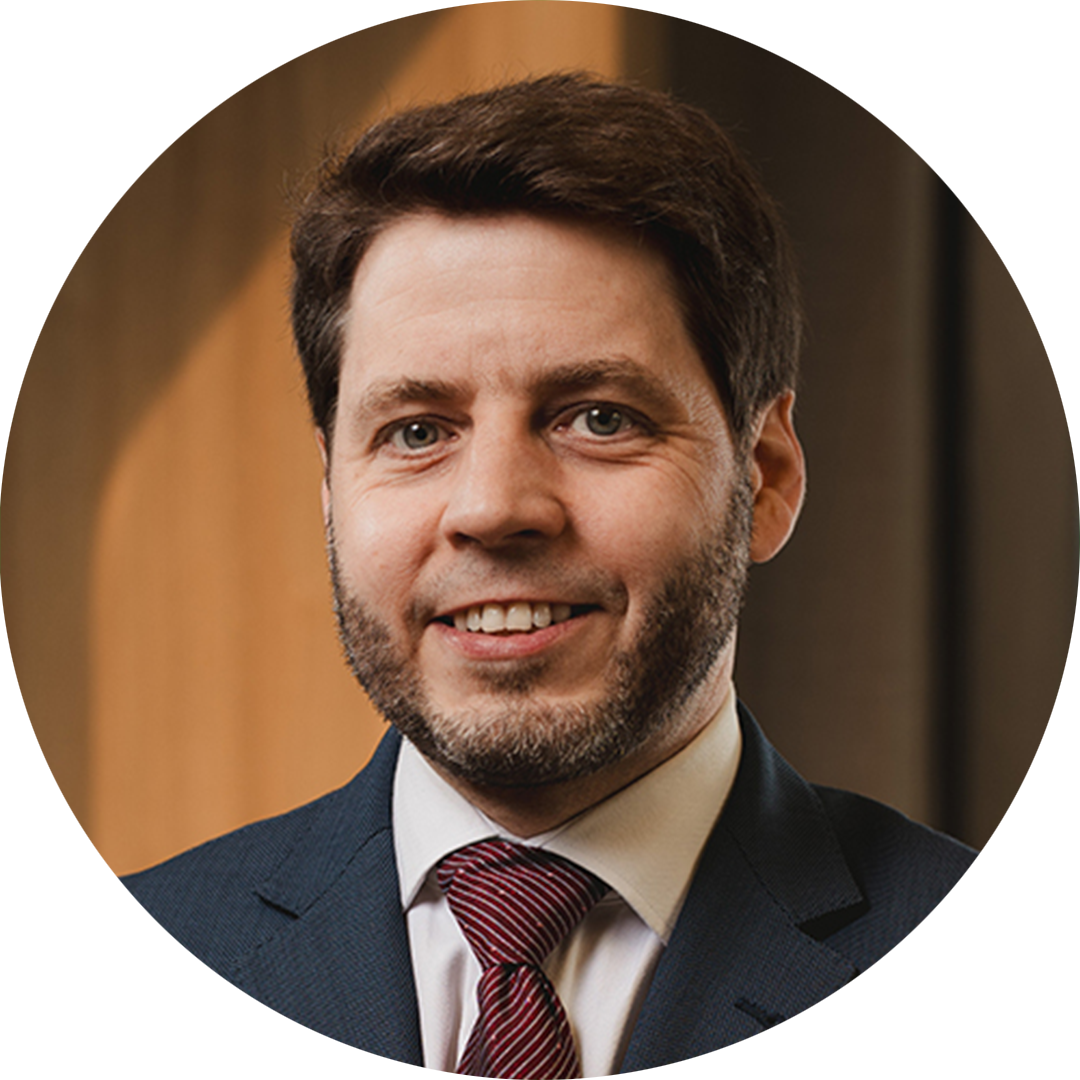
Benjamin Van der Auwera
Operations Officer, Regional Lead for Green Buildings, East Asia and the Pacific, World Bank Group |
|---|
Panel 2
Panel Speaker
|
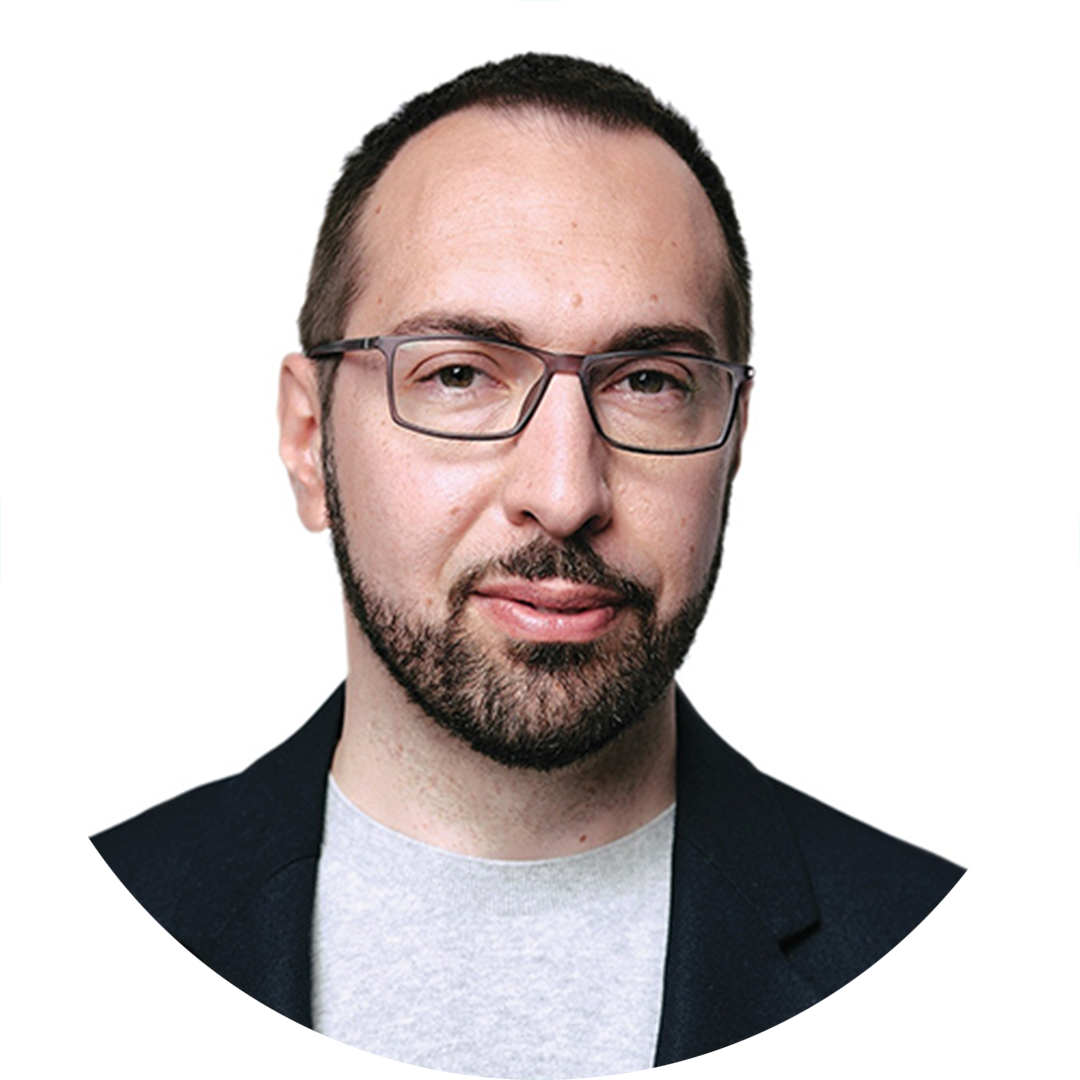
Tomislav Tomašević
Mayor of Zagreb |
|---|

|
Atika Nur Rahmania
Head, Jakarta Regional Development Planning Agency, Jakarta Provincial Government |
|---|

|
Alissa Raj
Deputy Regional Director for East, Southeast Asia & Oceania, C40 Cities |
|---|

|
Jazlyn Lee
Engagement Lead for Southeast Asia and South Asia, Global Covenant of Mayors for Climate and Energy - The City Climate Finance Gap Fund Partnership |
|---|
ULI Session – From Vision to Viability: Financing the New Urban Infrastructure Stack
Led by Urban Land Institute (ULI)
Cities are being asked to do more than ever: decarbonise, build resilience, expand housing, modernise mobility and support the rapid growth of digital infrastructure. Yet capital remains disciplined, selective and grounded in delivery. The question is not simply what cities need, but what is investable, financeable and deliverable today.
This session will bring together investors, developers, operators and policy experts to explore how capital is being allocated across the evolving urban landscape. From housing and regeneration to energy, connectivity and data centres, the discussion will examine where investment is flowing, where it is stalling, and why. Particular attention will be paid to the growing role of digital infrastructure and its competition with other urban priorities for funding, land, power, water and political attention.
Opening
|
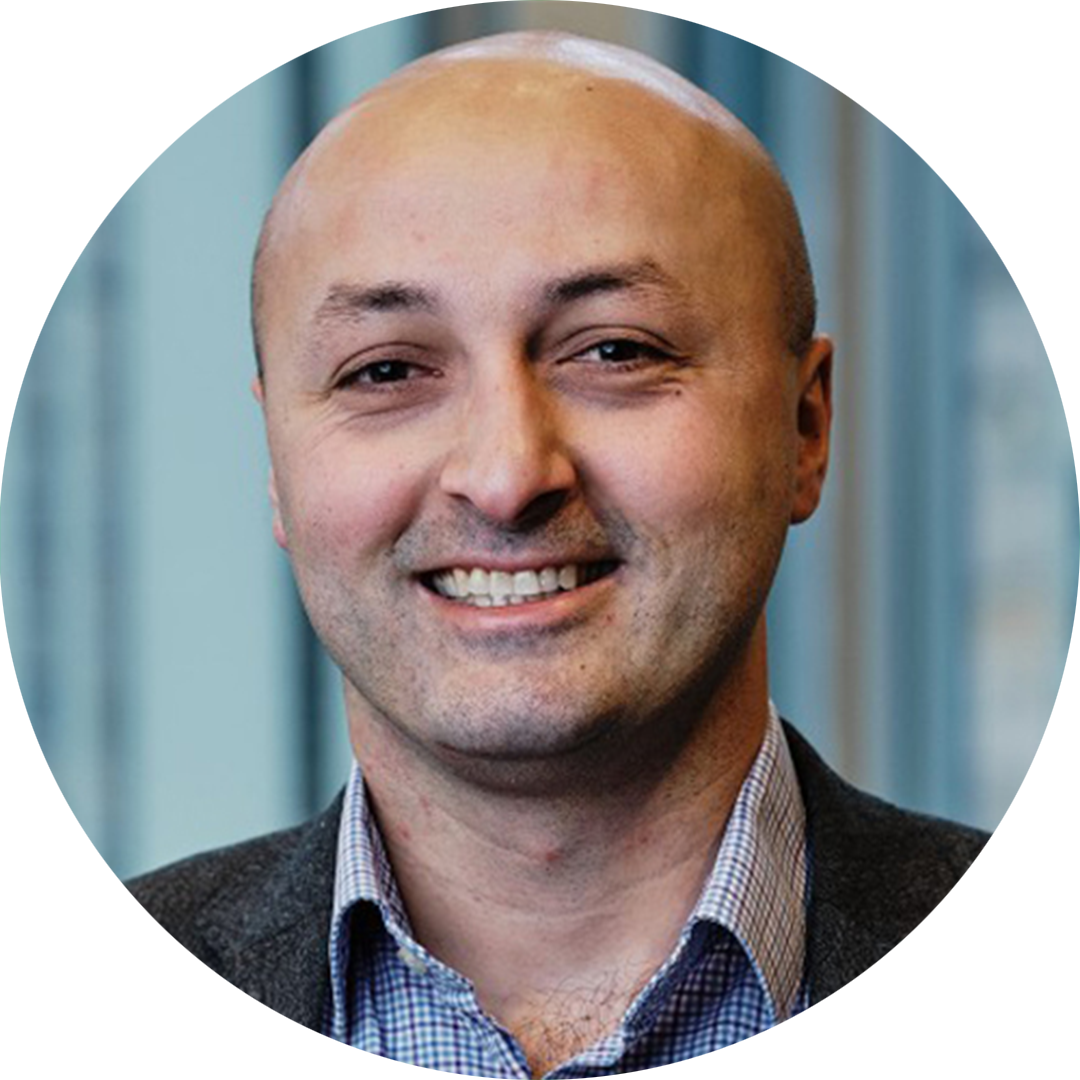
Theodor Cojoianu
Associate Professor of Sustainable Finance, College of Integrative Studies, Singapore Management University |
|---|
Moderator
|
Stuart Mercier
Chief Executive Officer, Cairdrow Capital |
|---|
Panel Speaker

|
Zheng Wanshi
Group Chief Strategy and Sustainability Officer, Frasers Property Limited |
|---|

|
Rebecca Ng
Managing Director Investments, Data Centre, ESR Group |
|---|
|
Eve Clark
Regional Managing Director, Head of Australia, Henning Larsen |
|---|
|
Jack Backen
Regional Director, Cistri Pte Ltd |
|---|
CDP Session – From Disclosure To Access To Capital: Using City-level Data to Scale Urban Climate Finance
Led by CDP
Cities, home to over half the world’s population and source of more than 70% of global GHG emissions, stand as the frontline against climate change. Without bold urban action, net-zero and Paris Agreement goals remain unattainable.
CDP’s 2025 data reveals thousands of city-led projects in clean mobility, nature-based solutions, building retrofits, and resilience—yet many stall early due to limited technical assistance and finance. The core barrier: data gaps. Investors, DFIs, and MDBs require robust environmental, resilience, and governance data to assess risks and structure deals, but cities often lack clarity on specifics.
Standardised local data builds project confidence, enhances investment-readiness, aligns policies, enables blended finance, and scales impact.
This session convenes mayors, DFIs, MDBs, UN agencies, investors, and project preparation facilities to identify essential data, transforming urban climate ideas into procurement-ready pipelines.
Opening Remarks
|
Jose Ordonez
Chief Revenue Officer; Managing Director APAC, CDP |
|---|
Moderator
|
Emilie Becault
Senior Manager, CDP Cities, States and Regions, EMEA |
|---|
Panel Speakers
|
|
Jazlyn Lee
Engagement Lead for Southeast Asia and South Asia, Global Covenant of Mayors for Climate and Energy - The City Climate Finance Gap Fund Partnership |
|---|

|
Veronica Khaw
Susability Lead, ComfortDelGro |
|---|
|
Jatin Sarvaiya
Director, Net Zero Programme, Standard Chartered Bank |
|---|
|
|
Yoonhee Kim
Practice Manager for Urban, Disaster Risk Management and Land in East Asia Region, World Bank |
|---|
Case Study
|
Kamisah Mohd Ghazali
Head, Economic Livability – Sustainability & Community, Iskandar Regional Development Authority |
|---|
Closing Remarks
|
Karishma Kashyap
Associate Director, APAC – Cities, States & Regions, CDP |
|---|
Gujarat, NIUA & ULI India Session – India's Next Cities
Co-curated by Leadership for Cities with the High-Level Committee on Urban Planning, Government of Gujarat, the National Institute of Urban Affairs (NIUA), and ULI India. Developed in collaboration with the Centre for Liveable Cities (CLC), Singapore.
India will urbanise more in the next twenty-five years than at any point in its history, and more than two-thirds of the urban India of 2050 is yet to be built. The binding constraint is no longer ambition — it is the missing handshake between Indian cities and the patient capital, planning frameworks, and delivery models that could underwrite them at scale. For investors, builders, multilateral lenders, and city counterparts elsewhere in Asia, what India does next is one of the defining questions of the urban century, and the financing question sits at its centre.
This executive-format session brings a senior India delegation into a focused conversation on policy, capital, and delivery in Indian cities. Sanjeev Sanyal, Member of the Economic Advisory Council to the Prime Minister, opens with the macroeconomic case for a generational reset. Three short, chaired panels then carry the conversation forward — on Policy (how India is changing the way it plans, governs, and builds capacity for cities), on Capital (what kind of capital a next-generation Indian city actually needs), and on Delivery (who builds and runs a city in the next-cities era — and what “delivered” now means).
A closing synthesis lands the through-line across the three panels and bridges into the wider WCS programme and the four-day Singapore Urban Learning Lab that follows. The session is sized for senior participants and is followed by a luncheon reception.