A Singapore Government Agency Website


Secure websites use HTTPS
Look for a
lock () or https:// as an added precaution. Share sensitive
information only on official, secure websites.
World Cities Summit >
Programme >
WCS Thematic Tracks & Sessions >
Smart Cities
Smart Cities

Artificial Intelligence (AI) and other emerging technologies offer to revolutionise urban life. Access to quality data can drive impactful decision making and human-centric solutions. However, a balance between technological advancement and creating value for communities must be struck to ensure desirable and equitable outcomes for residents.
Plenary 1: How can AI enable our cities to be even smarter?
Artificial Intelligence is emerging as the invisible architect of our urban future. This offers unprecedented opportunities to enhance city planning, resource management, and public municipal services through data-driven insights that improve quality of life for residents, our resilience to the effects of climate change and support economic growth.
This plenary delves into the potential of AI-centric solutions and data-rich environments in transforming urban environments.
Keynote Speaker

|
Nga Kor Ming
Minister of Housing and Local Government, Malaysia |
|---|
Panel Speaker
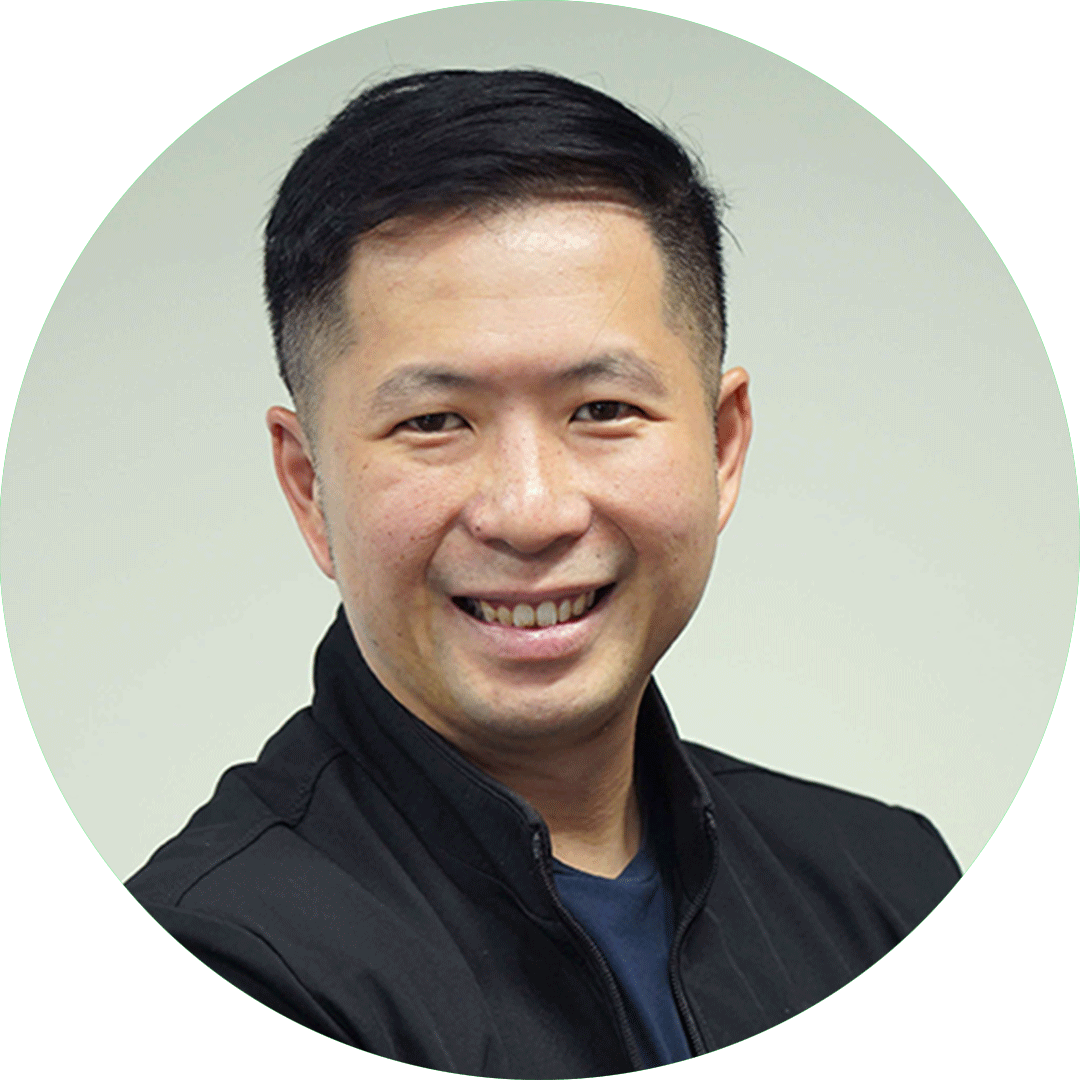
|
Sim Feng Ji
Deputy Secretary (Digital Government), Ministry of Digital Development and Information, Singapore |
|---|
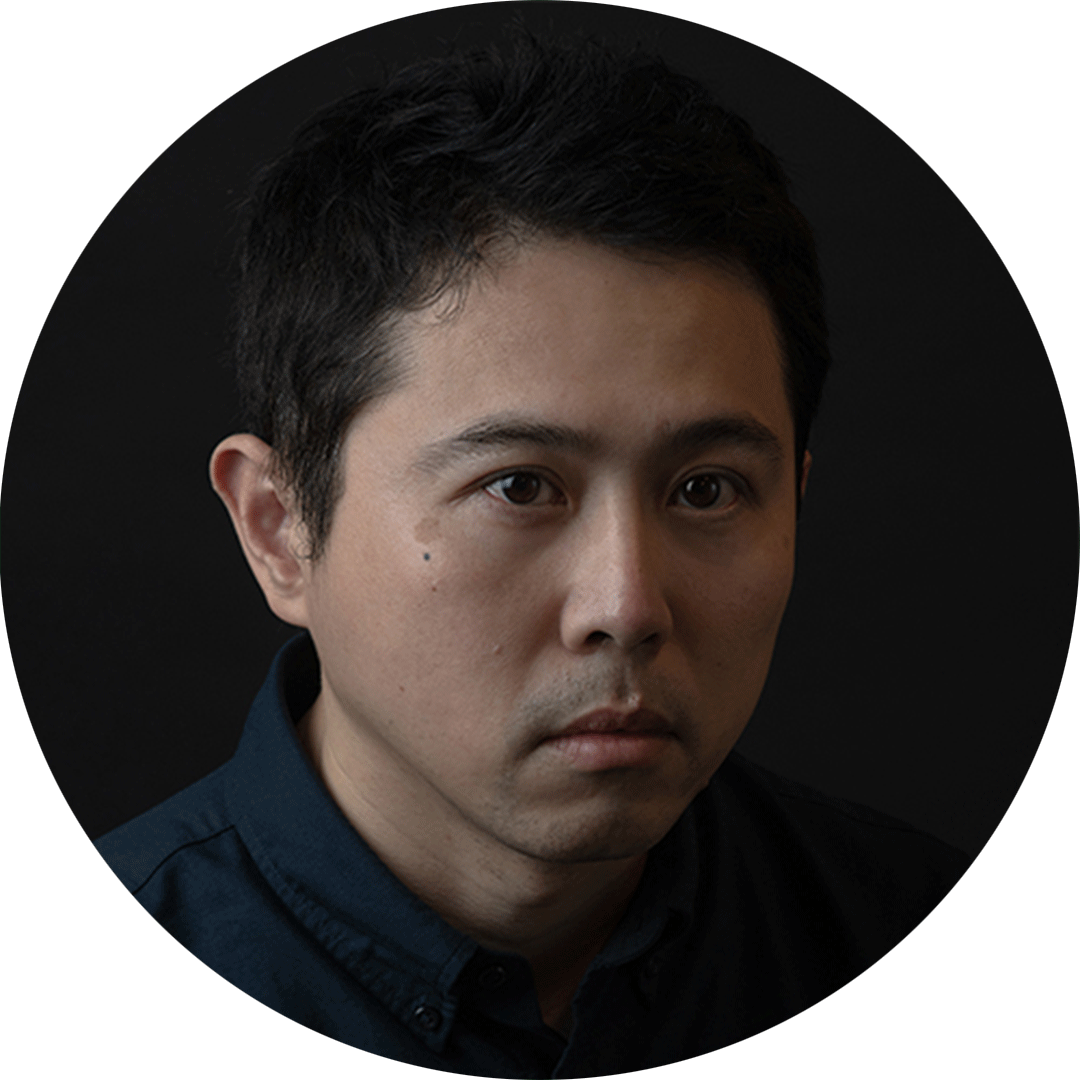 |
Immanuel Koh
Assistant Professor, Singapore University of Technology and Design |
|---|
|
|
Xiaoping Wu
Shenzhen Planning and Land Development Research Center (SUPRC) |
|---|
Expert Insights
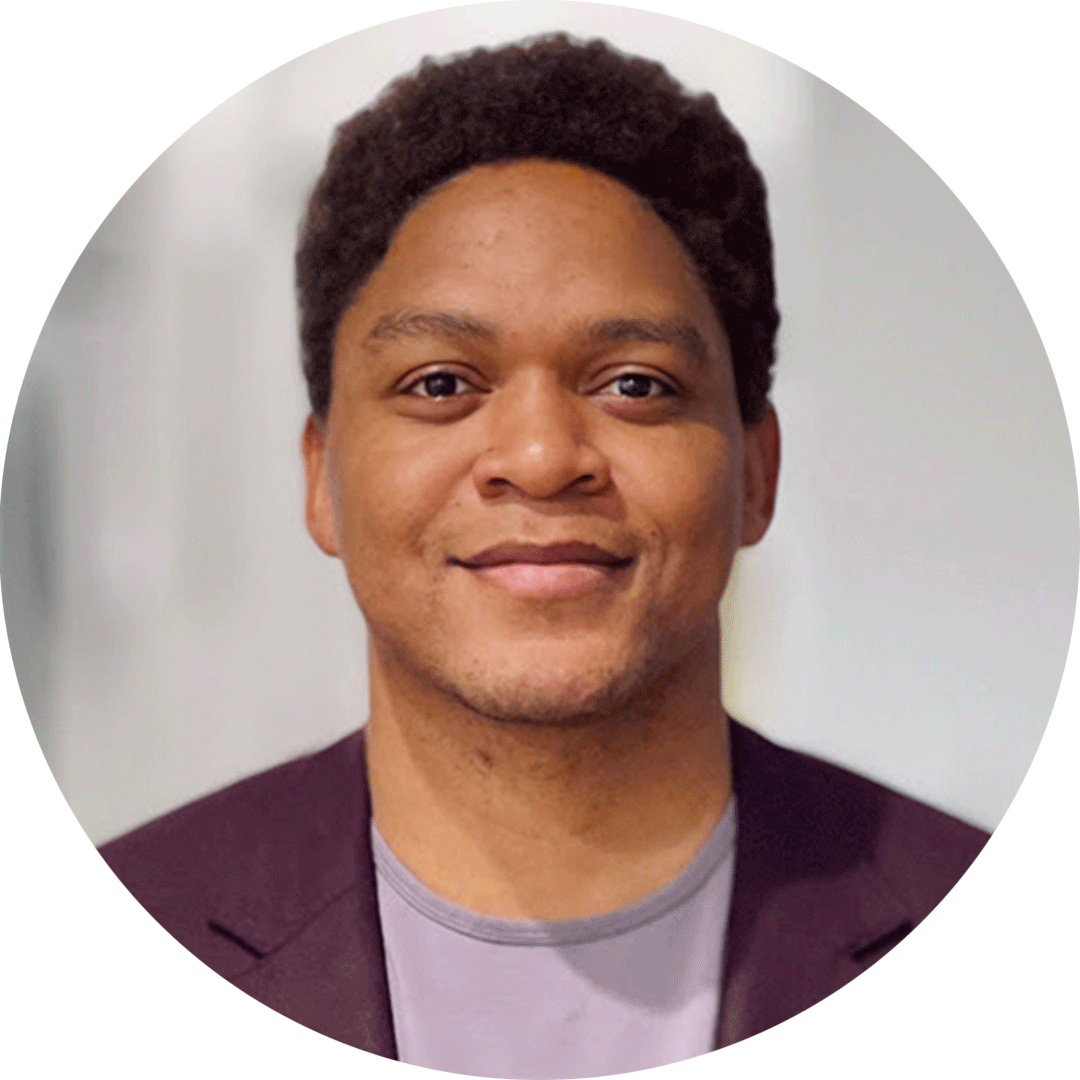 |
Okalo Ikhena
Director, Product Management, Google |
|---|
Plenary 2: Can smart cities love humans?
Smart solutions can make cities more efficient and responsive, improving residents’ quality of life. However, these solutions require consideration of complex challenges such as resource demands, cybersecurity concerns and ensuring inclusivity.
This plenary explores how cities can harness technology whilst ensuring human-centricity, to achieve enabling and equitable outcomes for all.
Keynote Speaker
|
|
N. Chandrababu Naidu
Hon’ble Chief Minister of Andhra Pradesh |
|---|
Panel 1
Panel Speakers
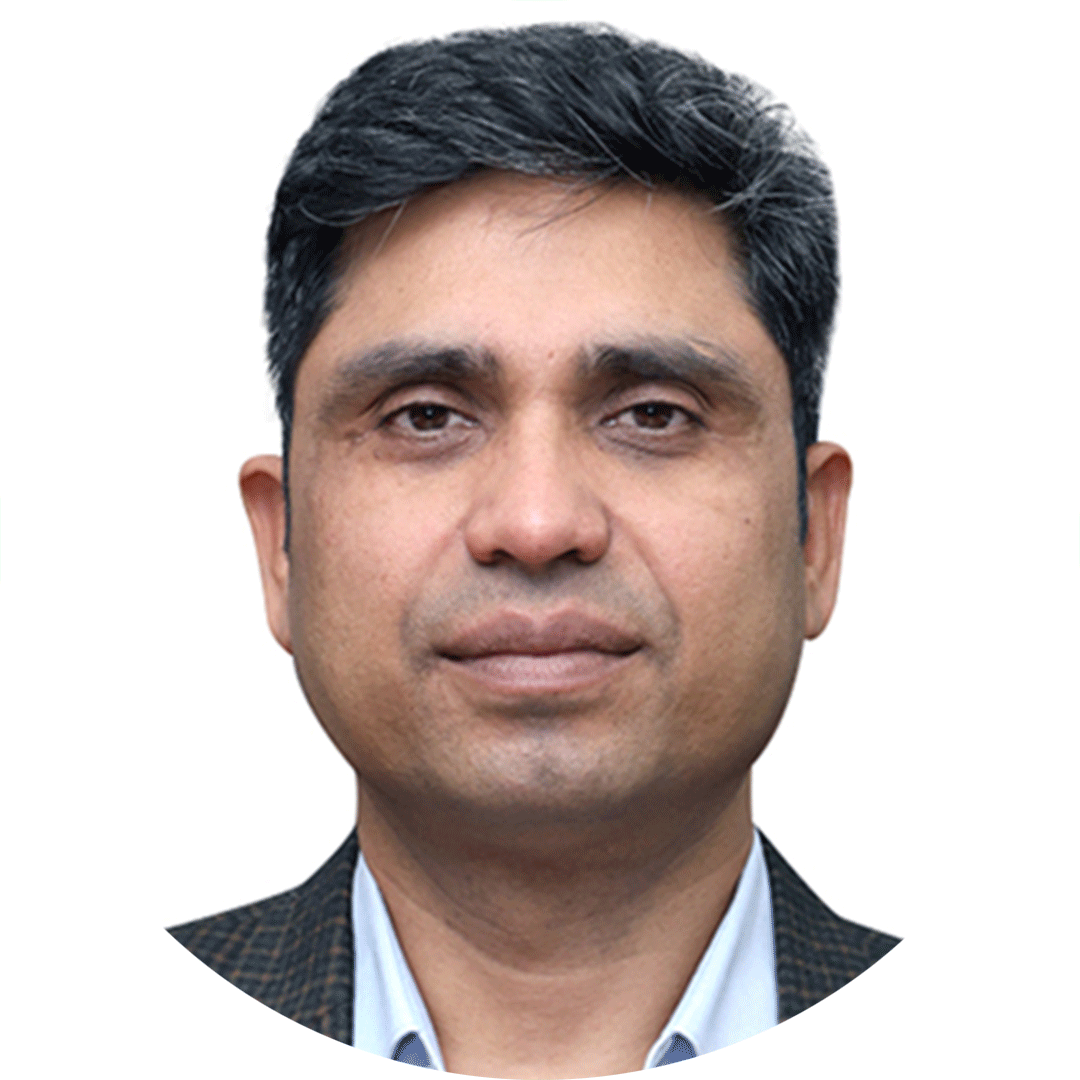
|
Banchha Nidhi Pani
Municipal Commissioner, Ahmedabad |
|---|
|
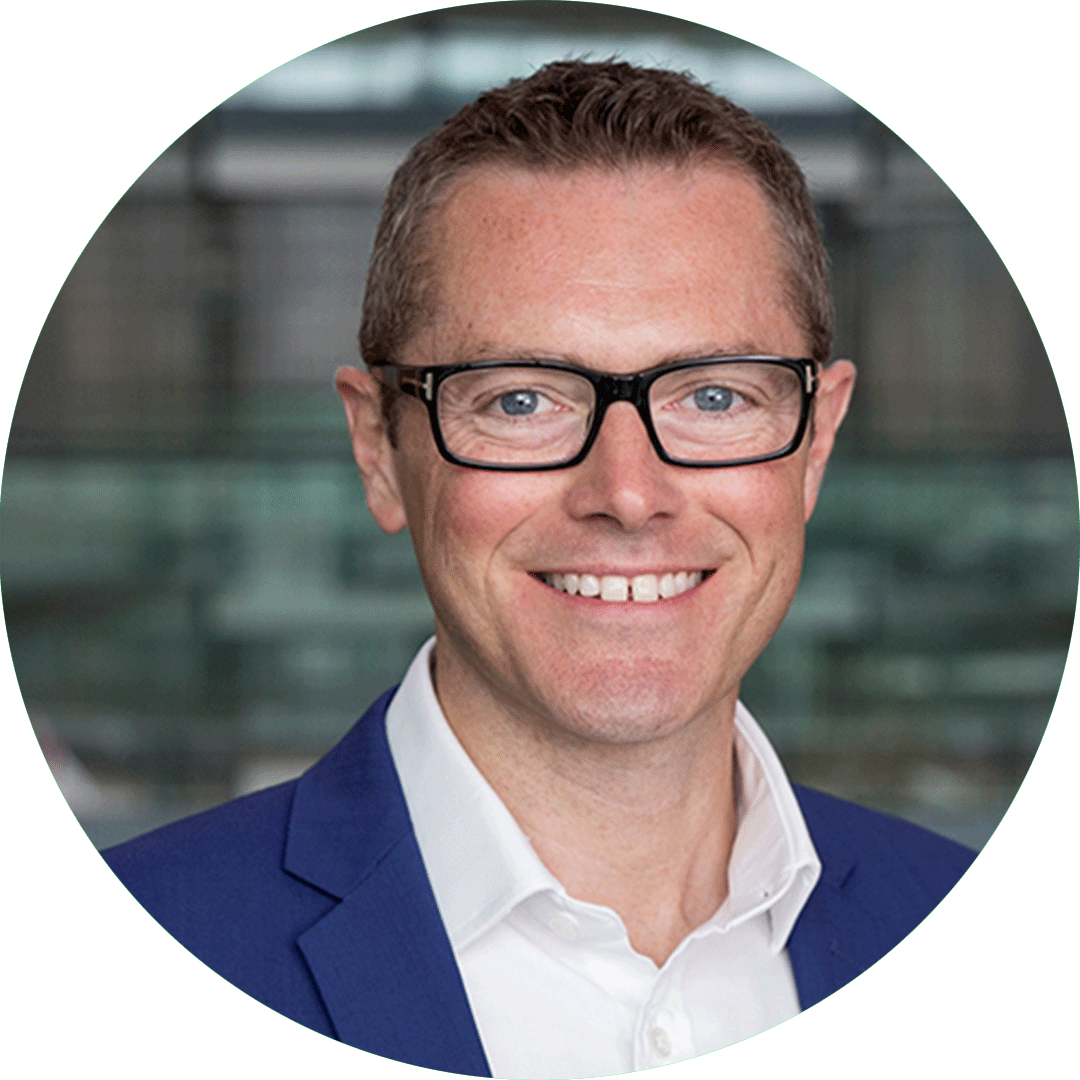
Steven Lewis
Global Head of Insight and Global Head of Research, Real Estate Management Services, JLL |
|---|
|
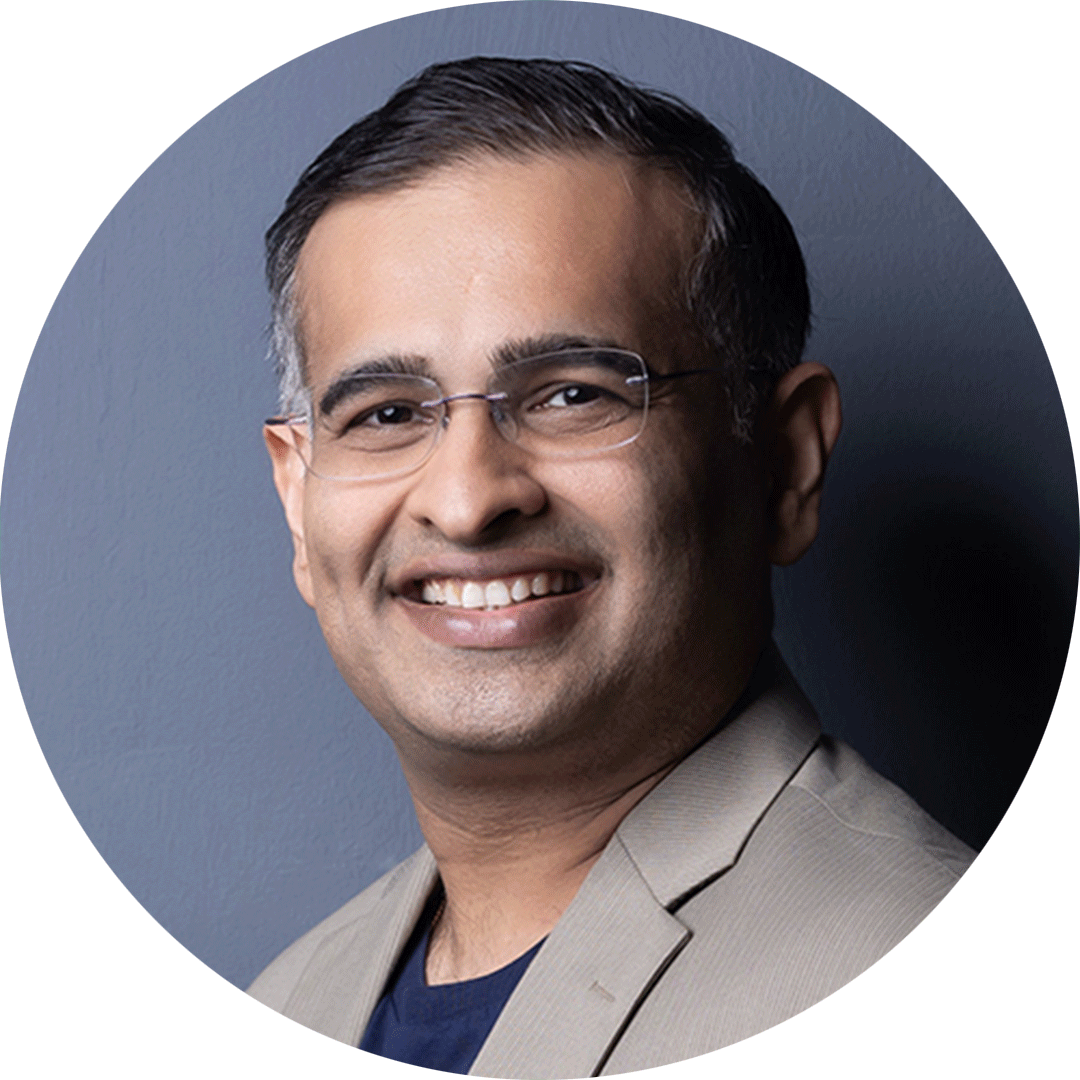
Rajat Maheshwari
Senior Vice President, Strategic Growth, Asia Pacific, Mastercard |
|---|
Panel 2
Moderator
|
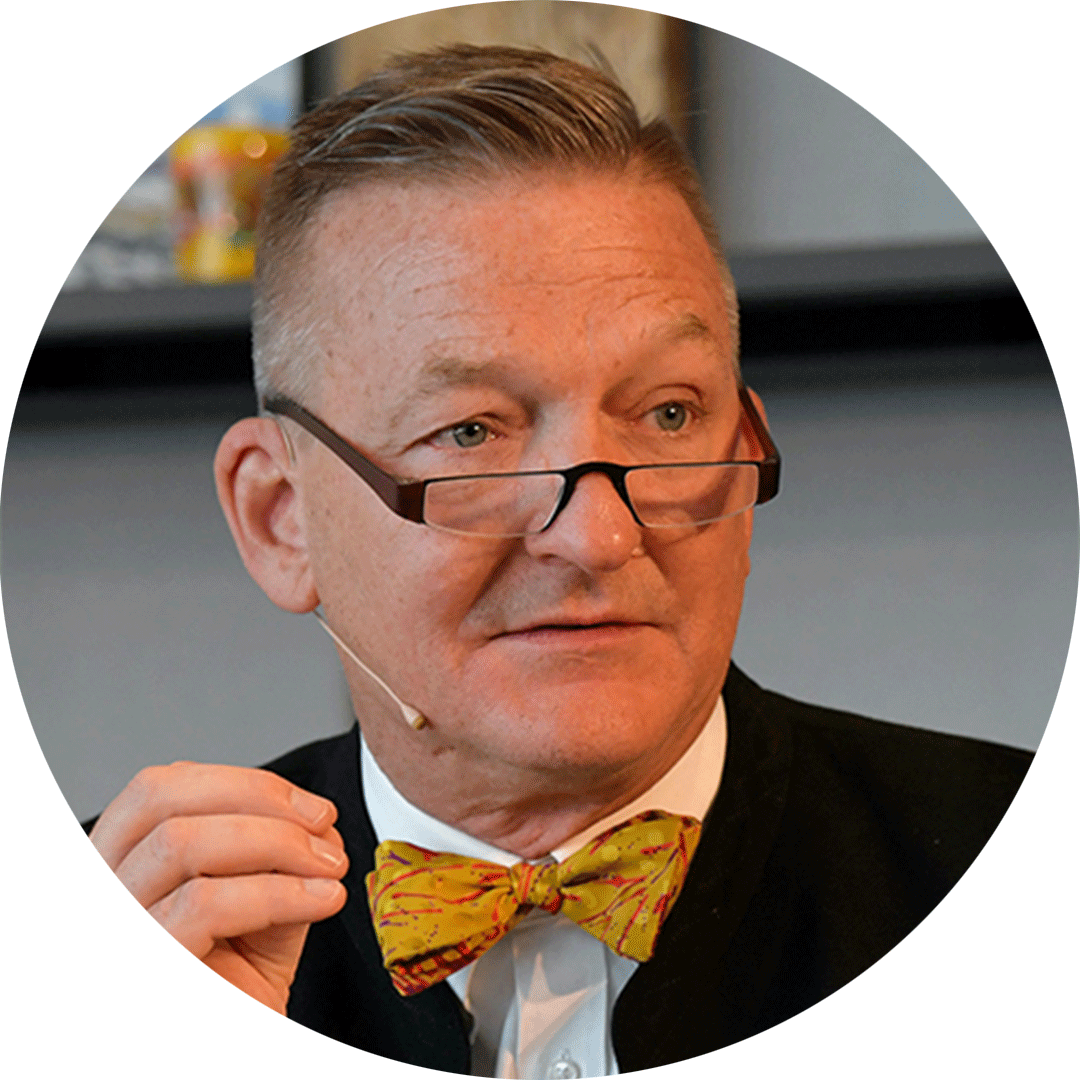
Chris Luebkeman
Leader, Strategic Foresight Hub, Office of the President, ETH Zurich |
|---|
Panel Speakers
|
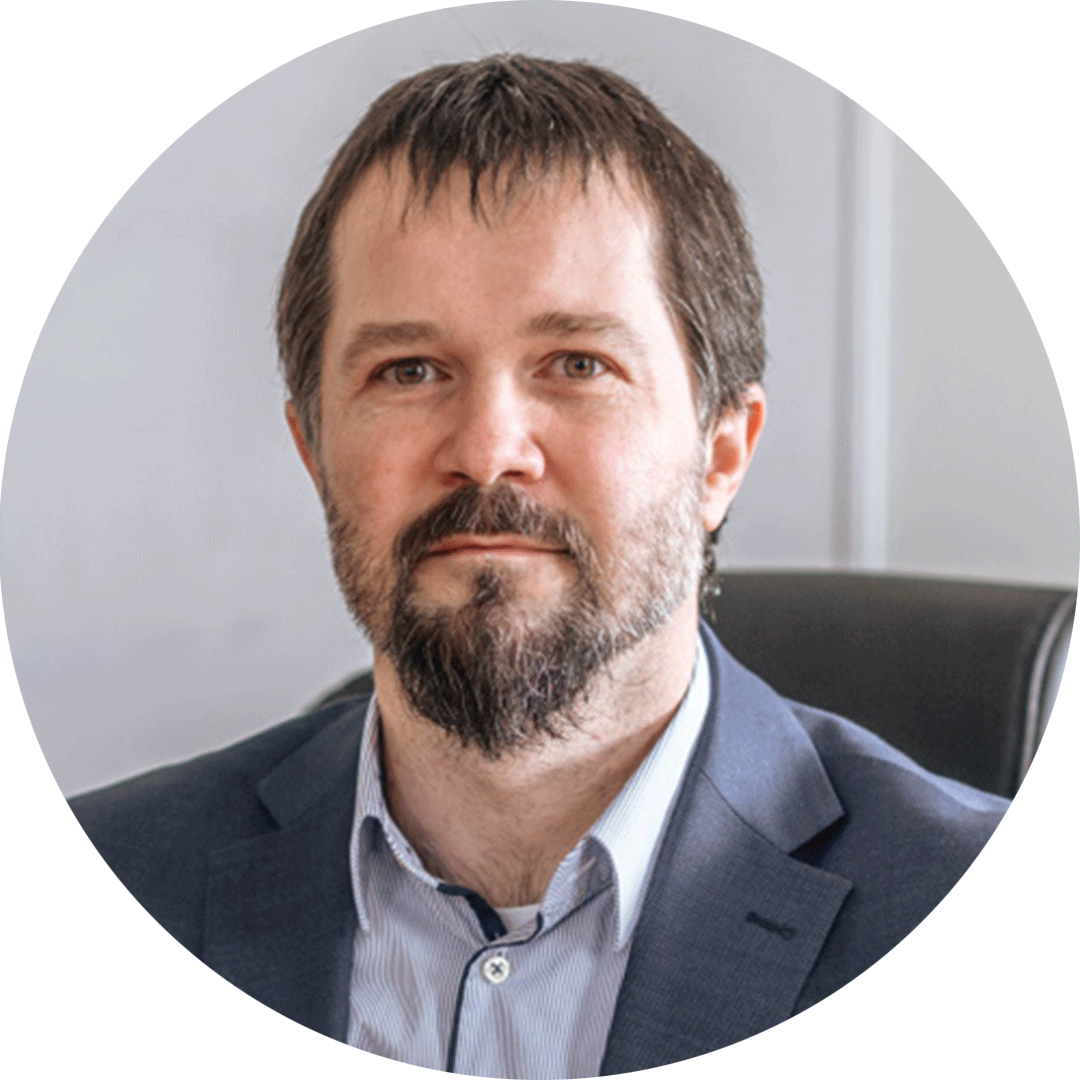
Ivan Goychev
Deputy Mayor for Digitization and Information Systems at Sofia Municipality |
|---|
|
Gareth Morgan
Executive Director: Future Planning and Resilience, Cape Town |
|---|
|
Xufeng Zhu
Professor and Dean at School of Public Policy and Management, Tsinghua University |
|---|
|
|
Jason Vollen
Global Head of Innovation, Surbana Jurong |
|---|
JTC Session – The Future of Industrial Estates
Led by JTC Corporation
This session will bring together city leaders and urban experts to explore how the future industrial estate will evolve beyond land provision into integrated, future-ready ecosystems. Developments will prioritise Industry 4.0 infrastructure, sustainability, and space optimization - through vertical, underground, and mixed-use planning. Estates will embed smart technologies, AI, and automation while fostering collaboration across industries, academia, and communities. Green design, renewable energy, and adaptive reuse will anchor resilience and decarbonisation. Ultimately, new estates will be vibrant work-live-play-learn environments that attract talent, enable innovation, and position cities as a competitive, sustainable global manufacturing and digital economy hubs.
Moderator
|
|
Yeo Pei Shan
Head, Business Transformation, Buildings + Cities, SJ Group |
|---|
Panel Speakers
|
|
Gareth Morgan
Executive Director: Future Planning and Resilience, Cape Town |
|---|
|
David Tan
Assistant Chief Executive Officer (Development Group), JTC Corporation |
|---|
|
|
Christian Wolfrum
Deputy President and Provost, Nanyang Technological Universitygatr |
|---|
UNDP Session – Circular Pathways for Cities: Policy, Digital, and Systems Enablers for Urban Transitions
Led by United Nations Development Programme (UNDP)
Cities account for the majority of global resource consumption, waste generation, and greenhouse gas emissions, while also driving economic growth, innovation, and service delivery. As urbanisation accelerates and intensifies resource and infrastructure pressures, linear models are increasingly unable to meet cities’ social, economic, and environmental needs. Cities must shift towards circular models that
redesign resource use, value creation and service delivery across urban systems.
This session explores how digital innovation, policy design, and systems thinking can serve as structural enablers for circular transitions in cities. Drawing on UNDP’s Regional Strategic Framework for Circular Economy, it will demonstrate how embedding circular principles early in the design of policies, programmes, and investments, supported by digital and data-driven tools, can help cities move beyond
isolated pilots toward integrated, scalable, and adaptive circular solutions. The discussion will spotlight the importance of aligning governance structures, financing mechanisms, and behavioural incentives to unlock system-wide urban transformation.
Welcome Speaker
|
|
Carla Gomez Briones
Acting Head, UNDP Global Centre Singapore |
|---|
Opening Remarks
|
Sushma Kharakwal
Mayor, Lucknow |
|---|
Moderator
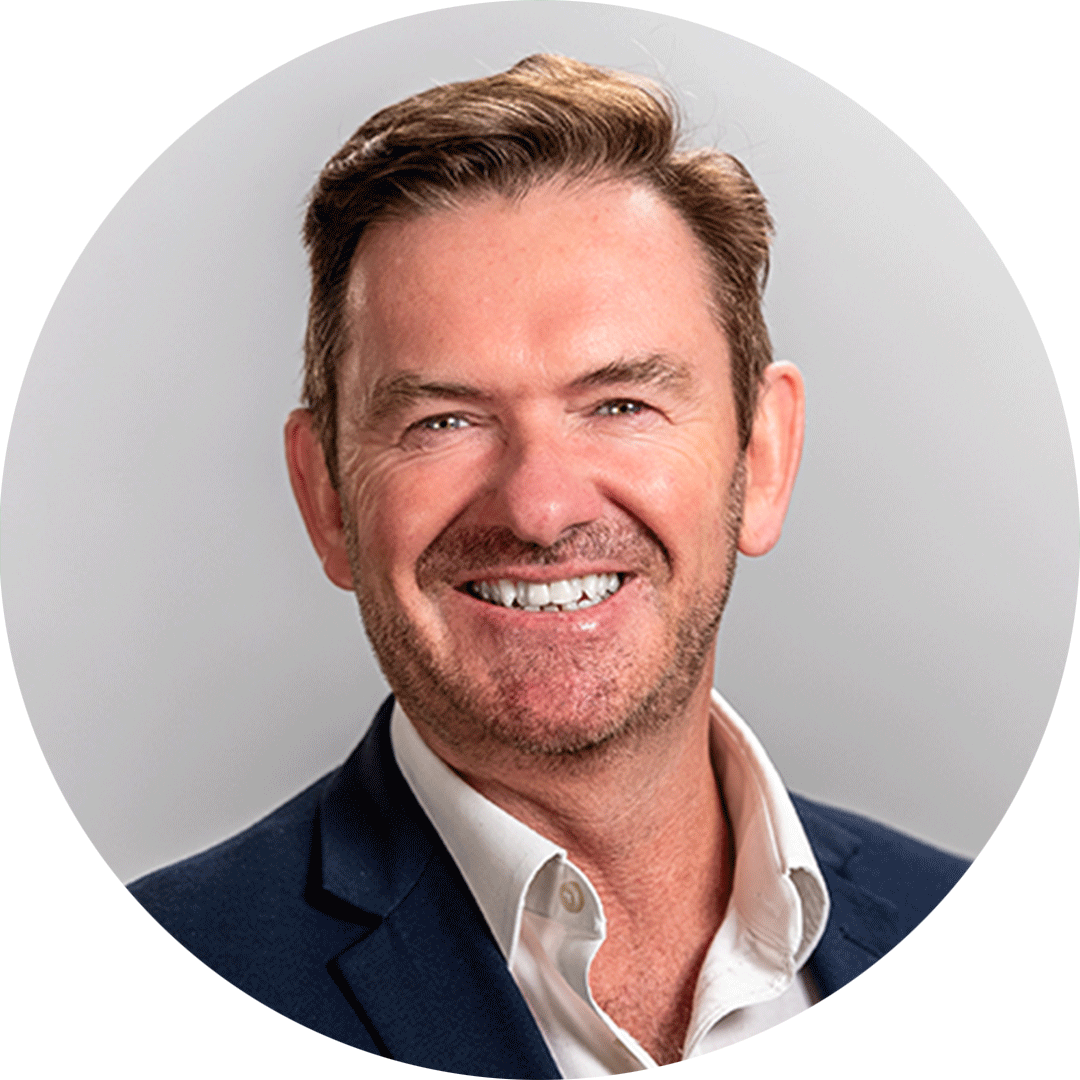
|
David Fogarty
Chief Executive Officer and Executive Director, United Nations Global Compact Network, Singapore |
|---|
Panel Speakers
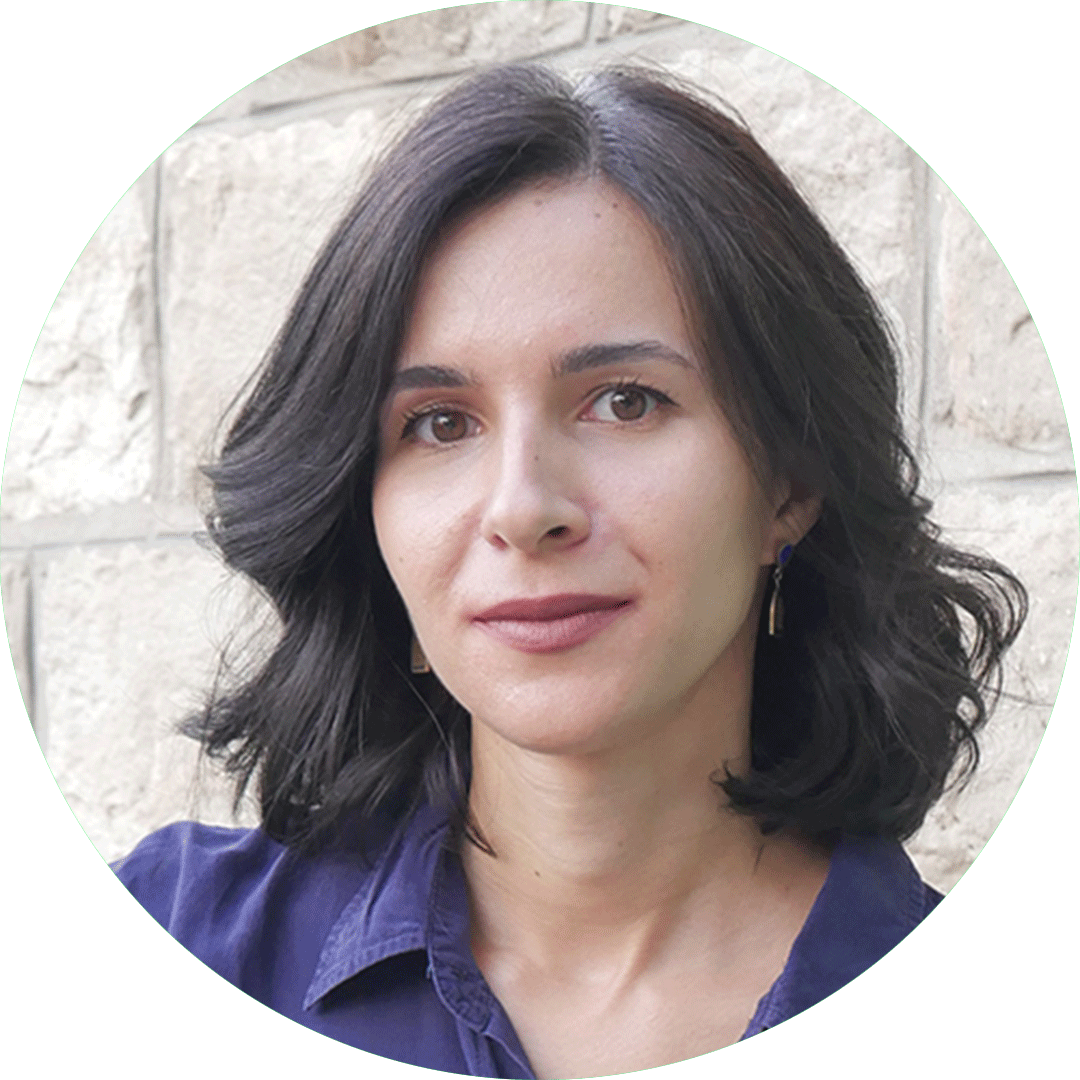
|
Louisa Mammeri
Innovation Specialist, UNDP Regional Bureau for Asia and the Pacific |
|---|
|
|
Pierre Ng
Director, Sustainability Division, National Environment Agency, Singapore |
|---|

|
Jihye Lee
Researcher, Singapore-ETH Centre |
|---|
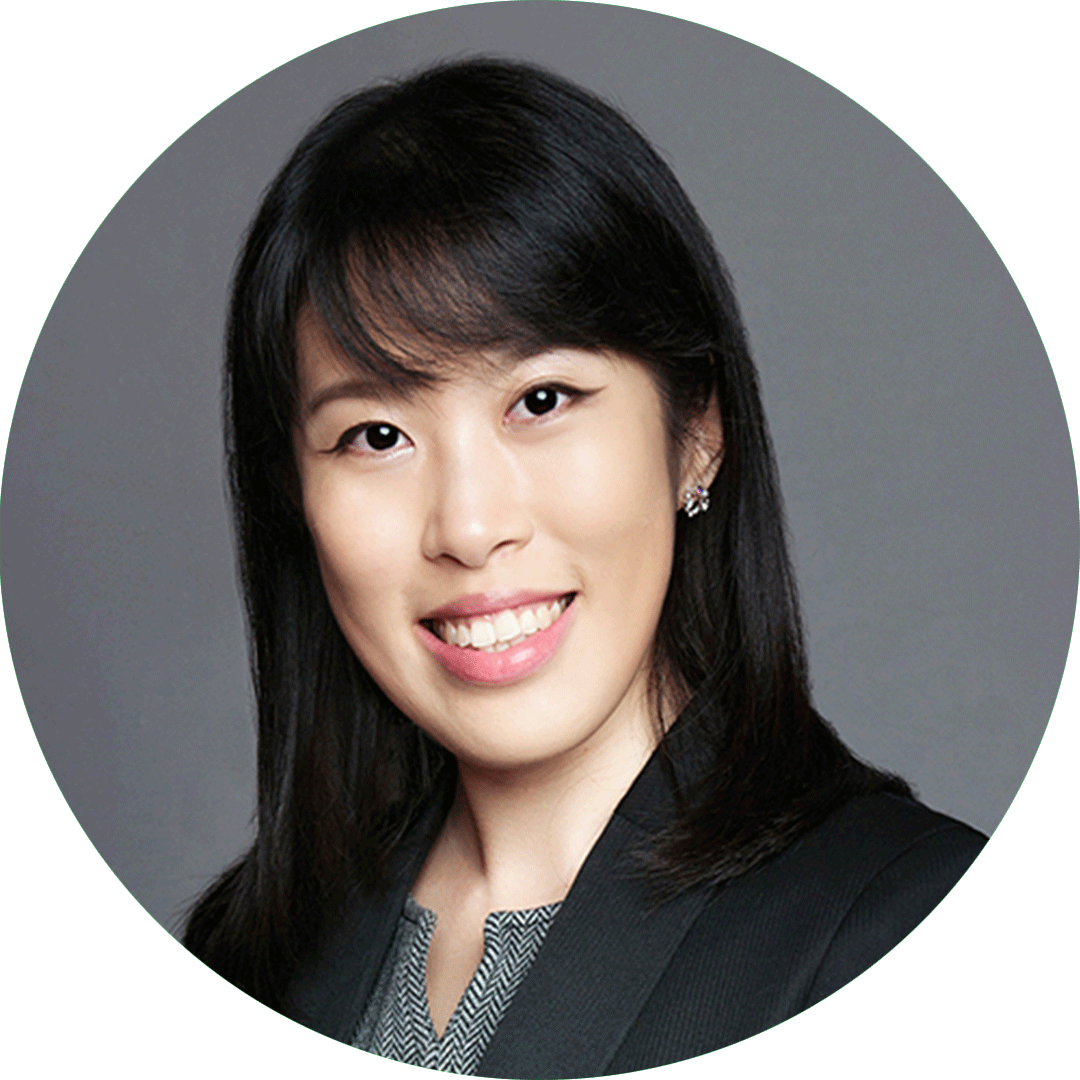
|
Adeline Sham
Director, Climate & Liveability, Temasek Foundation |
|---|
URA Masterclass – Navigating Underground Infrastructure Challenges
Led by Urban Redevelopment Authority, Singapore (URA)
As cities around the world grapple with increasingly congested subterranean spaces within the road reserves, this session explores the practical challenges of coordinating underground major infrastructure projects within these confined environments. Drawing on Singapore’s experience, we will examine the complexities that arise when various utilities compete for limited space in urban areas.
The session will highlight the Singapore’s experience of managing diverse stakeholder expectations, balancing conflicting priorities, and navigating technical challenges when coordinating infrastructure in a congested space. The discussion will focus on how to optimize the use of underground space and address common issues faced across different contexts, including adoption of current technology to address some of the key underground mapping challenges for legacy utilities.
Opening Remarks
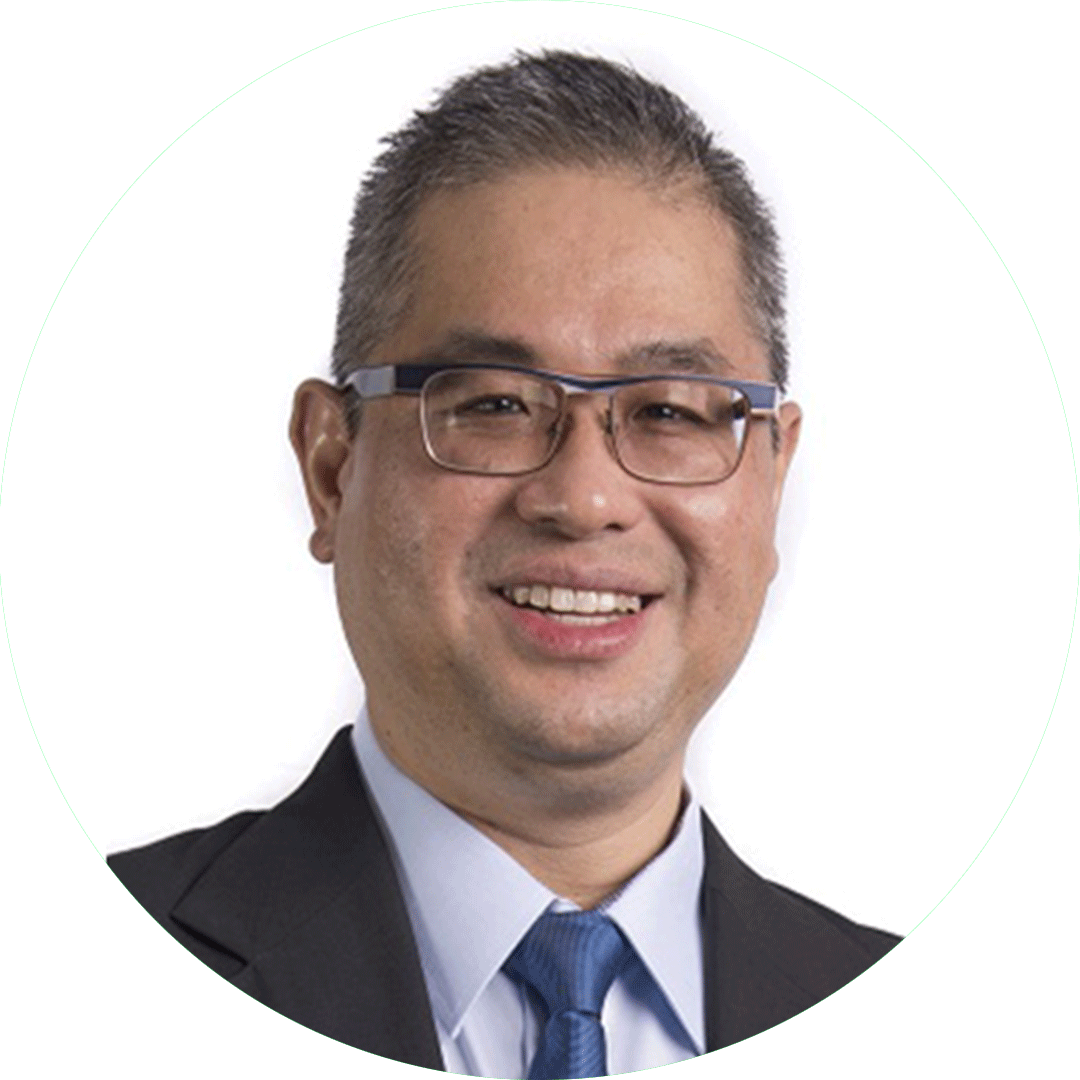
|
Richard Hoo
Deputy Chief Executive Officer, Urban Redevelopment Authority, Singapore |
|---|
Moderator
|
|
Hengky Tay
Director (Infrastructure Planning Authority), Urban Redevelopment Authority, Singapore |
|---|
Panel Speakers
|
|
Vjay Das
Group Director (Infrastructure Planning Authority), Urban Redevelopment Authority, Singapore |
|---|
|
|
Benjamin Chan
Assistant Chief Executive (Geospatial & Engagement), Singapore Land Authority, Singapore |
|---|
| Goh Kok Hun
Group Director, Infrastructure Design & Engineering, Land Transport Authority, Singapore |
|---|
SJ Masterclass – Cognitive Cities in Action – Creating Intelligent and Regenerative Urban Futures
Led by SJ
This master class explores what it takes for cities to move from smart to cognitive. Enabled by AI, digital twins and continuous sensing across energy, mobility, nature and infrastructure, cognitive cities are designed to anticipate change, restore ecosystems and support communities to thrive, giving people more time, ease and space in their daily lives.
Drawing on SJ’s real-world city experience and integrated delivery expertise, the session examines how cognitive cities learn, adapt and regenerate over time. It also explores how cognitive cities use AI and data intelligence to better anticipate risk, coordinate urban systems and support stronger policy and investment decisions — helping city leaders reduce uncertainty and align capital and climate finance with long term outcomes for their cities and communities.
This session offers city leaders a structured way to move beyond smart projects towards truly intelligent, regenerative and future-ready cities — delivering tangible benefits for people, nature and the economy.
Panel Speakers
 |
Farah Naz
Global Climate Advisory Director, SJ Group |
|---|
|
|
Jason Vollen
Global Head of Innovation, SJ Group |
|---|
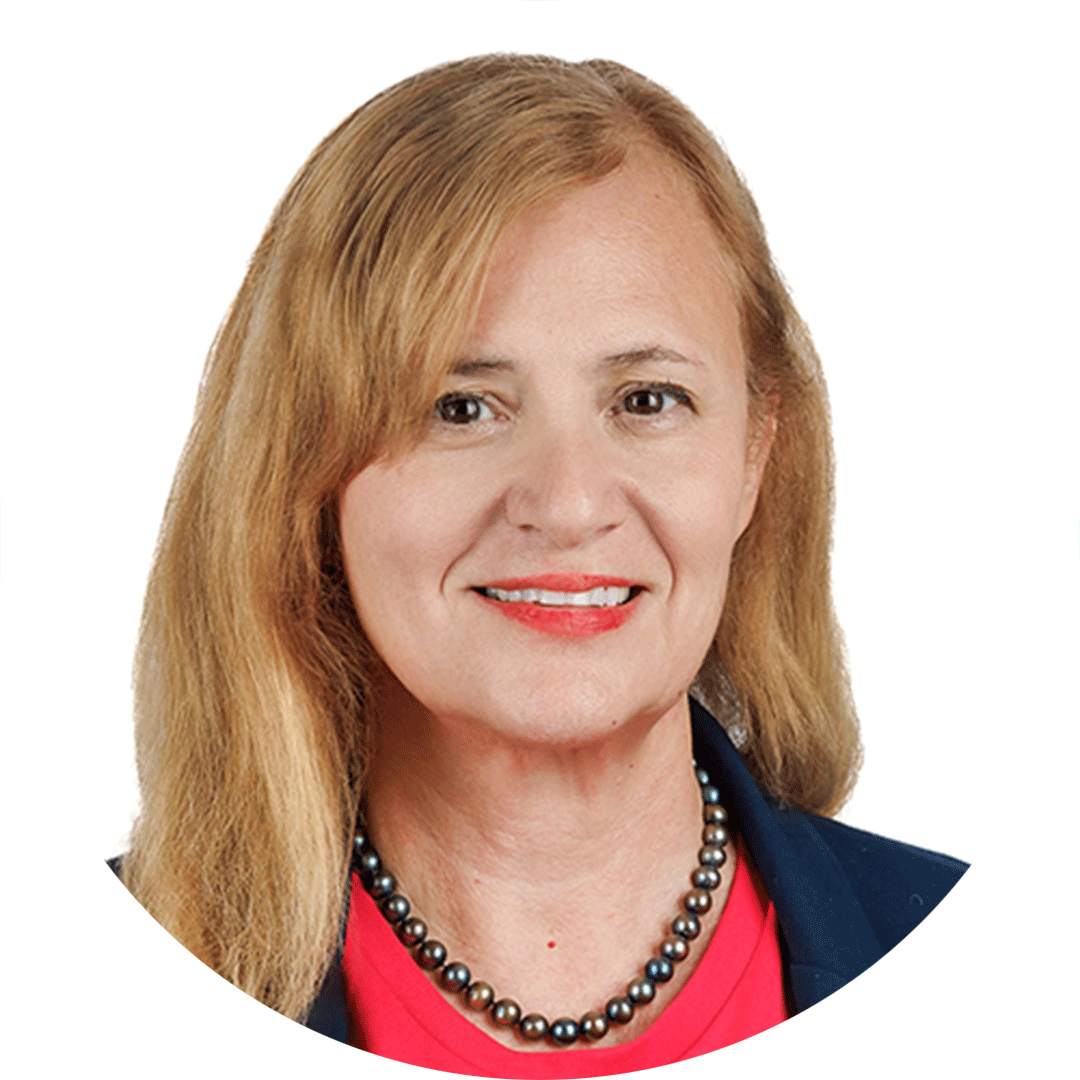
|
Maria Aiolova
Director of Global Innovation, SJ Group |
|---|
|
|
Tan Wooi Leong
Senior Executive Director, Surbana Jurong Group |
|---|
|
|
Tsubasa Bolt
Principal ESD Consultant, Surbana Jurong Group |
|---|